
Trump administration pushes back on “11th‑hour” UFC White House fight lawsuit, calling critics’ objections aesthetic, not legal
WASHINGTON (Times Media Service) — The Trump administration is vigorously defending plans for the UFC “Freedom 250” fight on the South Lawn, pushing back against an “11th‑hour” lawsuit seeking to block the June 14 event amid ethics questions.
Key takeaways
- Event planned: UFC “Freedom 250” fight card on the White House South Lawn, scheduled for June 14 — (multiple promotional posts and interviews tied to the announcement).
- Lawsuit filed: Lawsuit filed by the Public Integrity Project on behalf of two Virginia residents seeks an emergency injunction against the National Park Service and Department of the Interior.
- Administration defense: DOJ attorneys urged Judge Amit P. Mehta to reject the bid, calling the challenge late, disruptive and largely aesthetic rather than legally cognizable.
Key information
Event: UFC “Freedom 250” fight card on the White House South Lawn, scheduled for June 14 — coverage and promotion have appeared across platforms; see related posts and interviews including video and a Time interview.
Lawsuit: Filed by the Public Integrity Project on behalf of two Virginia residents, the complaint seeks an emergency injunction to stop the event and names the National Park Service and Department of the Interior as defendants. Related reporting and posts include video and social coverage such as CNN’s Facebook post.
Administration response: DOJ attorneys asked U.S. District Judge Amit P. Mehta to reject the bid, calling the challenge late and disruptive; plaintiffs must file a final brief by 9 p.m. Wednesday. See additional coverage via CNN’s follow-up post.
The event: scale, timing and spectacle
Organizers describe the Freedom 250 card as a patriotic centerpiece marking President Trump’s 80th birthday, Flag Day and the kickoff of national semiquincentennial events. The card is set for June 14 and has been promoted as part of the yearlong 250th‑anniversary celebration (video, Time interview).
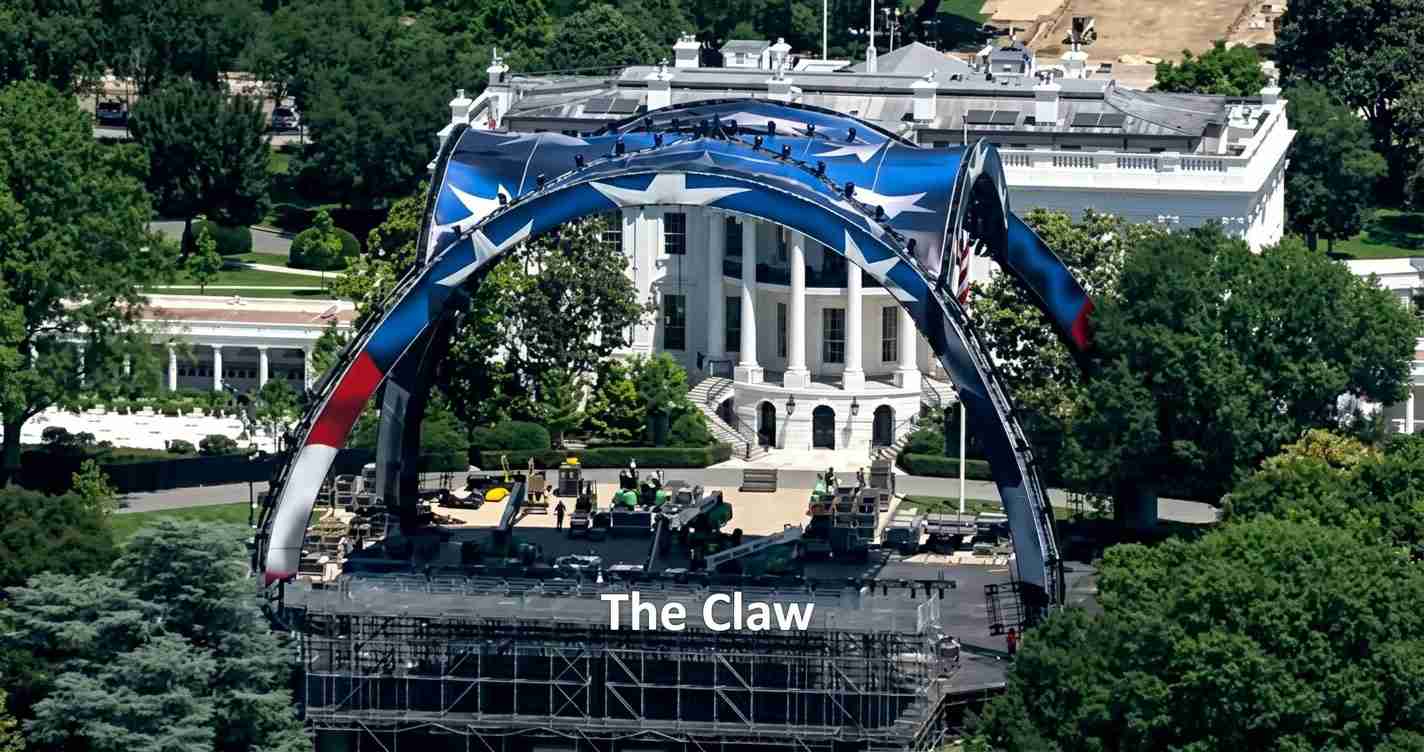
Planners expect roughly 4,000 spectators on the South Lawn. Visible construction for weeks — including a roughly 90‑foot steel arch nicknamed “the claw” — has drawn public attention. DOJ lawyers note more than $60 million has been spent on production, attendees have made travel plans, and fighters are in late-stage weight cuts (coverage).
Match-up reporting: Time reported the main fight could feature Justin Gaethje and Ilia Topuria, a marquee pairing promoters and the administration highlight for national appeal. UFC CEO Dana White has said the company could lose roughly $30 million on the card, framing it as a patriotic gesture rather than a profit center (Time).
The lawsuit: who sued and what they claim
The Public Integrity Project filed the complaint over the weekend on behalf of two Virginia residents seeking emergency relief to stop the Freedom 250 event, arguing federal rules and environmental laws were bypassed and that the fight constitutes an improper commercial use of national parkland (video, video, social report).
Plaintiffs’ core claims include:
- Violation of National Park Service rules: Plaintiffs say the UFC card is a private commercial sporting event not permitted on the South Lawn or adjacent park property (coverage).
- NEPA and permitting bypass: The suit alleges required environmental reviews under the National Environmental Policy Act were skipped and that a semiquincentennial exemption was misused to avoid standard review (report).
- Conflict‑of‑interest and ethics concerns: Plaintiffs point to President Trump’s reported purchase of roughly $50,000 in TKO Group Holdings stock — the UFC’s parent — and his relationship with Dana White, arguing private access to the White House combined with a commercial fight card creates a serious ethics problem (coverage, coverage).
The administration’s response: timing, standing and aesthetics
In a court filing, Department of Justice attorneys urged Judge Amit P. Mehta to reject the emergency relief request, stressing timing: the match was publicly announced in July 2025 and preparations have been underway for months. DOJ argued blocking the event now would upend large expenditures and travel plans, and that plaintiffs’ objections are chiefly aesthetic or ideological rather than showing concrete legal harm (video, social post).
“Plaintiffs ‘are not forced to watch the fight’ and could ‘simply avert their gazes for the weekend,’” the DOJ filing says, arguing the harms described do not show the kind of concrete legal injury needed for emergency court intervention.
A White House official told Fox News Digital the suit is “obstructionist, baseless, and dilatory,” comparing the match to other White House‑hosted South Lawn gatherings and permitted events on the Ellipse and National Mall, and describing the fight as a historic sporting event for the semiquincentennial.
Standing and the uphill legal climb
Legal analysts note standing — whether plaintiffs can show a concrete, particularized injury — will be a decisive hurdle. Courts typically require more than a generalized objection to public land use to justify emergency relief, and challengers to park permitting are often government entities or officials rather than private citizens, especially on compressed timelines (analysis).
Plaintiffs maintain their harms are real: physical disruption, crowding, and the visual transformation of the White House grounds (the 90‑foot “claw” is cited), and they warn of precedent if private or politically connected commercial events become routine on national monuments. They also emphasize that bypassing NEPA undermines environmental safeguards and public review (report).
Sources and media coverage
Reporting and filings were discussed across television and social platforms. Sources consulted for this report include video and news posts detailing the suit, DOJ filings and public statements from the White House and UFC representatives: video, video, Time, CNN Facebook, CNN Facebook, KTSM Facebook, FOX4KC Facebook, Instagram reel.
Implications for Fresno, California
Economic impact: Fresno residents and local businesses planning travel could face last‑minute cancellations if the court blocks the card. If the event proceeds, Fresno sports bars and watch‑party hosts may see increased business. Either outcome could affect travel agencies and hospitality firms serving Central Valley customers.
Political consequences: The dispute may resonate with moderate Fresno voters who prioritize rule‑of‑law and transparency. Local officials and candidates could be pressured to take positions on whether government venues should host commercial events tied to politically connected figures.
Social and cultural effects: MMA fans in Fresno might welcome national attention on the sport, while community members who prioritize public space preservation could be alarmed by staging a commercial fight at a national symbol. The case may spur local debate over when commercial entertainment is appropriate on historic grounds.
Practical guidance: Fresno residents planning travel or watch events should monitor court developments closely. If the injunction is denied and the match proceeds on June 14, expect heavy national coverage and themed events. If halted, travelers and businesses should prepare for refunds, change fees and alternative programming around Flag Day.
Next steps in the legal fight
Plaintiffs must file a final reply brief by 9 p.m. Wednesday. After that filing, Judge Amit P. Mehta will consider the emergency injunction request. Legal experts say the challenge faces steep odds on timing and standing, though the case could set precedent on the limits of federal permitting, NEPA exemptions, and when private events tied to the presidency cross legal lines (coverage, analysis).
If you want further analysis: I can expand on legal arguments around standing and NEPA, or compare the Freedom 250 dispute to past controversies over large events on the National Mall and White House grounds.



