
White House defends privately funded 90,000‑square‑foot ballroom after reports Trump may name it for himself
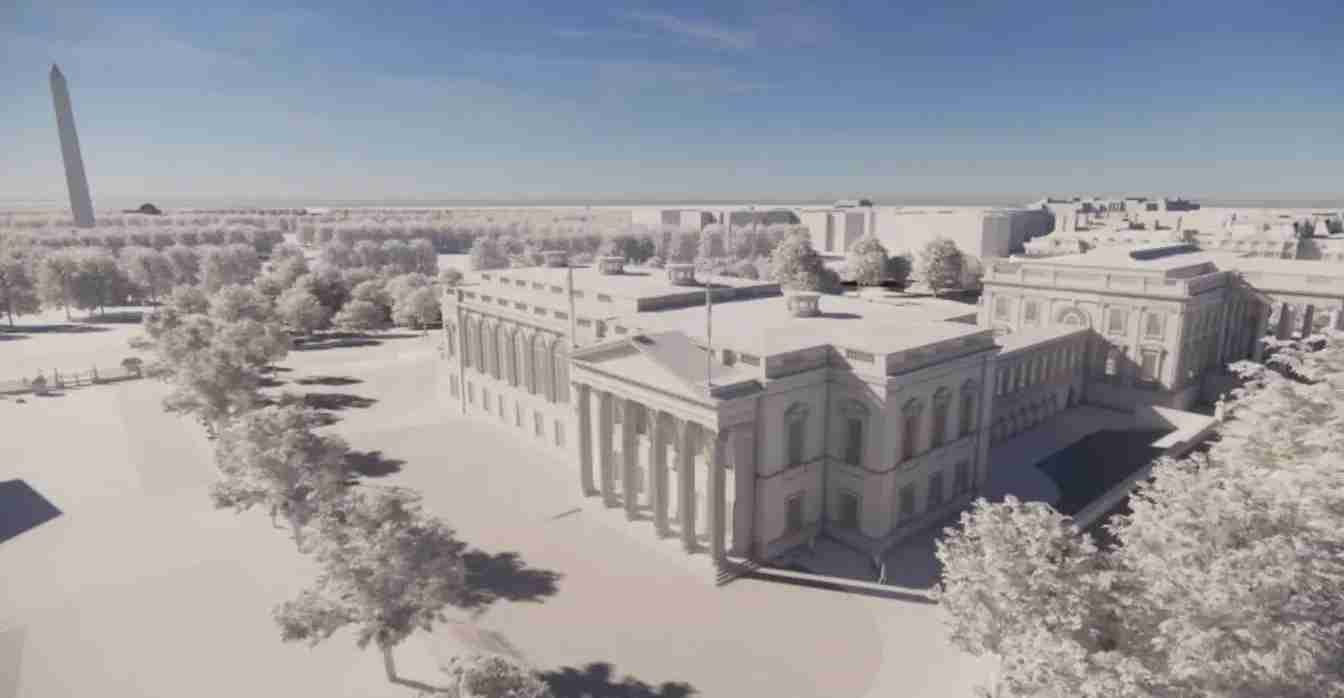
The White House has announced plans for a privately funded 90,000-square-foot ballroom on the East Wing site, a project billed to host 650 guests that has drawn preservationist criticism and political scrutiny over cost and possible naming.
- New ballroom: A privately funded, 90,000‑square‑foot space on the East Wing site, said to seat up to 650 guests; White House release.
- Funding questions: Administration cites roughly $200 million from the president and “patriot donors,” while some reporting puts potential costs closer to $300 million.
- Preservation worries: The National Trust for Historic Preservation cautions the project could upset the White House’s historic balance and urges greater public review (National Trust).
- Naming controversy: Reports suggested the president might name the ballroom after himself; the White House says any announcement will come from the president and he has not confirmed plans (Fox News reporting).
Project details: What the White House says
The administration frames the plan as a modernization and expansion of the executive residence’s event capacity. The announced ballroom would be roughly 90,000 square feet and able to seat up to 650 guests — far larger than the East Room’s ~200 capacity.
The White House names McCrery Architects as designer, Clark Construction as lead builder and AECOM for engineering. Construction is projected to begin in September 2025 and to be completed before the end of President Trump’s term, according to the administration’s statement: White House release.
Funding and cost questions
The White House says the project is privately financed by President Trump and “patriot donors,” with an official estimate of about $200 million. Independent reporting has suggested the total could approach $300 million, raising concerns about transparency, donor disclosure and oversight of contracts.
Critics ask whether promised private funding will remain private and have urged clearer documentation of donor connections and procurement decisions to ensure public trust.
Preservation concerns and historic impact
Preservation groups warn that construction on part of the East Wing site risks undermining the White House’s classical balance. The National Trust asked for a more transparent review process involving preservation experts and the public.
“Work on the East Wing site risks damaging the historic fabric of the complex,” the trust wrote, urging documentation and oversight.
Photos and online video show partial demolition at the site; preservationists say those images highlight the potentially irreversible nature of the changes (Video).
Responses to reports about naming
Reports suggested President Trump might attach his name to the new ballroom. The White House told reporters any naming announcement would come from the president; when asked, Mr. Trump did not confirm or deny the reports, an ambiguity that intensified scrutiny from critics who view the move as self‑serving (White House response).
Political and public reaction
Democrats, preservationists and some commentators criticized the project as an expensive alteration to a public landmark that may serve legacy-building more than public purpose. Supporters counter that the expansion modernizes facilities for state events and is privately funded.
Public figures and late-night commentators have weighed in: some frame the work as symbolic of a president seeking lasting influence, while others emphasize practical benefits for official functions.
Media commentary
Commentary has ranged from satirical to supportive. For example, Bill Maher suggested the project reflects a desire to remain center stage, while other commentators highlighted the private funding argument and potential utility for large state events (Fox News media commentary).
Implications for Fresno, California
Economic impact: Direct effects in Fresno are likely limited, but local subcontractors could bid on specialized work if national contractors hire California-based firms. The degree of local benefit depends on Clark Construction and subcontracting choices.
Political consequences: The project may prompt Fresno voters and leaders to debate presidential priorities, stewardship of national symbols, and the role of private funding.
Social and civic effects: The controversy could mobilize local preservation groups and civic institutions to advocate for clearer review processes for landmarks.
Practical applications: Teachers, museums and local history programs in Fresno may use the debate as a teaching moment about preservation, public trust and national symbols.
Oversight opportunities: Local journalists and civic watchdogs can track donor disclosures, contracts and preservation reviews to hold decision-makers accountable (White House release; National Trust).
Sources
- White House announcement
- Fox News reporting on responses and naming reports
- Fox News media commentary on Bill Maher
- ABC News coverage
- National Trust for Historic Preservation letter and concerns
- Video showing East Wing work
Reporting continues as developments unfold.



