
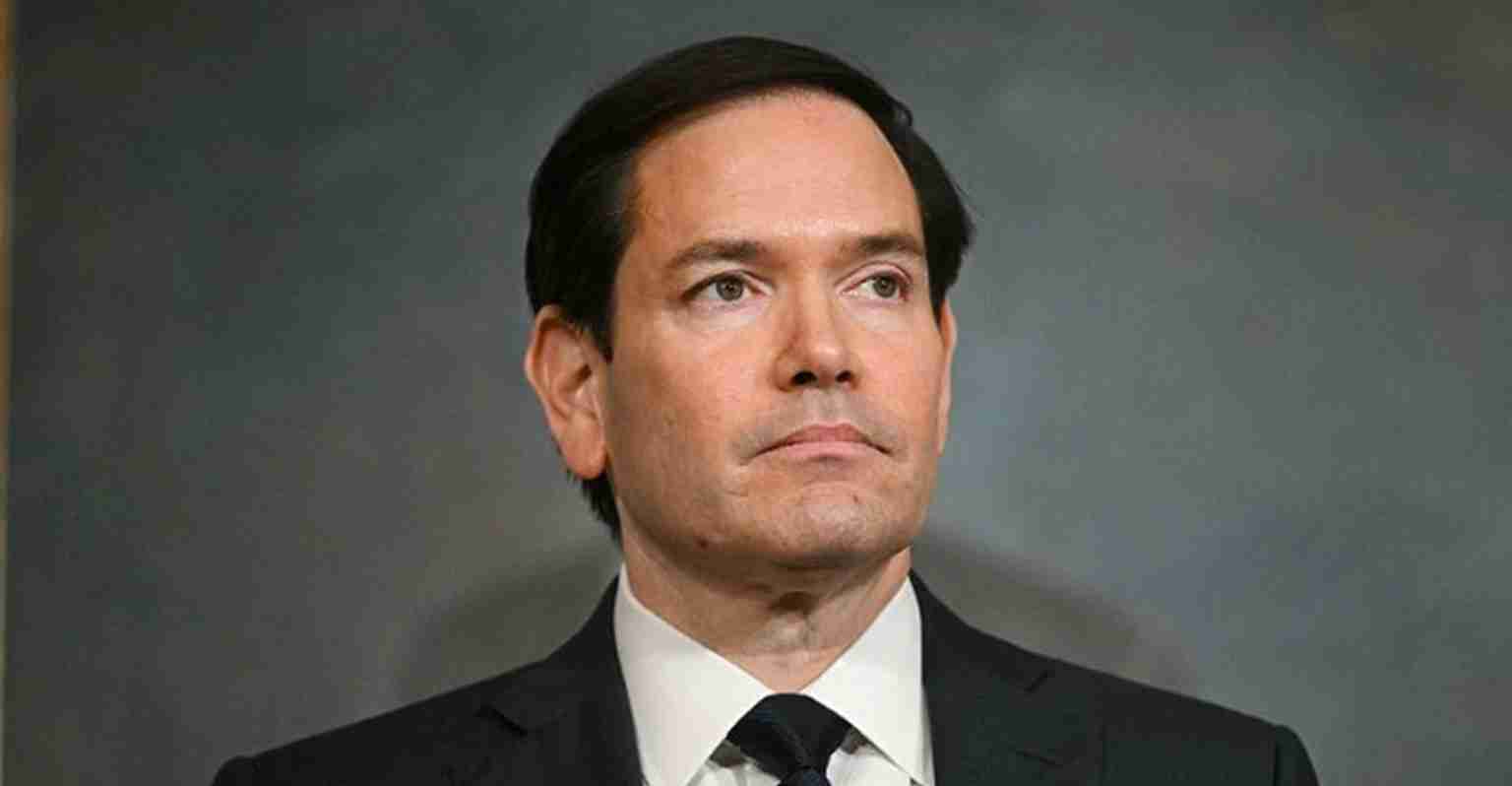
State Department Revokes More Than 80,000 Nonimmigrant Visas in 2025, Including 8,000+ Student Cancellations
The U.S. State Department revoked more than 80,000 nonimmigrant visas in 2025, including over 8,000 student (F-1) cancellations — a dramatic, administration-driven surge citing criminal offenses, national security concerns and scrutiny of social media speech.
- More than 80,000 nonimmigrant visas revoked in 2025, according to reporting and government statements (Financial Express).
- 8,000+ student (F-1) visas canceled — roughly a 33% increase from the prior year (Financial Express; Washington Examiner).
- DUI, assault and theft together account for nearly half the revocations (roughly 16,000; 12,000; and 8,000 respectively) (Financial Express; YouTube reporting).
How the surge unfolded
Officials describe a broader, more aggressive enforcement posture in 2025: visa cancellations when holders are deemed ineligible, pose safety or security risks, or have criminal records. Reporting cites closer reviews of overstays and online behavior that authorities consider hostile or supportive of extremist activity (Financial Express; Washington Examiner; AOL).
Criminal offenses account for many revocations
Media and public records reporting show DUI (~16,000 revocations), assault (~12,000), and theft (~8,000) make up nearly half of cancellations. Immigration analysts say this reflects routine enforcement plus a lower tolerance for criminal conduct by nonimmigrant visa holders (Financial Express; YouTube reporting).
Student visa revocations and higher education concerns
More than 8,000 F-1 student visas were revoked — a roughly 33% year-over-year increase — for reasons ranging from criminal charges and overstays to alleged support for extremist organizations or online speech tied to international conflicts. Universities and higher-education groups have demanded clearer case-level explanations and guidance from the State Department (Financial Express; American Council on Education).
Social media and speech as a factor
State Department officials have cited social media posts — including content perceived as celebrating violence or endorsing extremist views — as grounds for some revocations. Civil liberties advocates warn that broad reviews of speech risk chilling political expression and may catch individuals who lack real ties to violence or terror (YouTube reporting; Financial Express).
National security framing and legal authority
Officials framed many cancellations as protective national security measures, sometimes referencing allegations of support for groups or positions opposing U.S. foreign policy. The State Department has reiterated that “entry to America is a privilege, not a right.”
Legally, the department cites broad discretion under the Immigration and Nationality Act (including Section 221(i)) to revoke nonimmigrant visas when holders appear ineligible or pose safety risks. Legal analysts note this gives wide latitude but also raises due-process and transparency concerns when case-level explanations are limited (YouTube reporting; legal analysis on visa revocation authority).
Visa categories hit and ripple effects
Revocations span categories — H‑1B skilled-worker visas, H‑4 dependent visas and F‑1 student visas among them — creating consequences for employers, universities and families. That mix can affect enrollment, research staffing and local labor supply (YouTube short; Financial Express).
Implications for Fresno, California
Economic: Fresno’s economy — agriculture, manufacturing, healthcare and higher education — could feel reduced spending, lower enrollment and tighter labor markets if international students and H‑1B workers are curtailed (American Council on Education; Financial Express).
Political: Local leaders and lawmakers may press for clearer federal guidance and due process to protect families and businesses in the Central Valley (Washington Examiner).
Social and cultural: Sudden cancellations can separate families, interrupt schooling and chill expression among communities that discuss international events. Nonprofits, legal-aid groups and campus offices may see increased demand for assistance (AOL; YouTube reporting).
Practical applications for residents and institutions
- Universities and employers: Review compliance and reporting procedures for international students and staff; provide clear resources on conduct and legal risks (American Council on Education).
- Students and families: Keep immigration documents current, follow local laws closely, and consult immigration counsel when facing charges or visa questions (legal analysis on visa revocation authority).
- Community services: Local legal aid and campus international offices should prepare for increased inquiries and offer clear, accessible guidance.
Reporting, transparency and oversight questions
The legal authority to revoke visas is established, but education associations and advocacy groups press the State Department for more transparent criteria and case explanations so students and employers can understand decisions and respond appropriately (American Council on Education; legal analysis).
Sources cited in this article
- Financial Express
- Washington Examiner
- AOL
- YouTube reporting (unobkwSWnus)
- YouTube short
- MyAttorneyUSA legal analysis on visa revocations
- American Council on Education (ACE)
- Times Media Service coverage; State Department statements (referenced in reporting above)



