
Trump launches “Genesis Mission” — new federal AI push to speed scientific discovery and reshape energy, engineering and national security
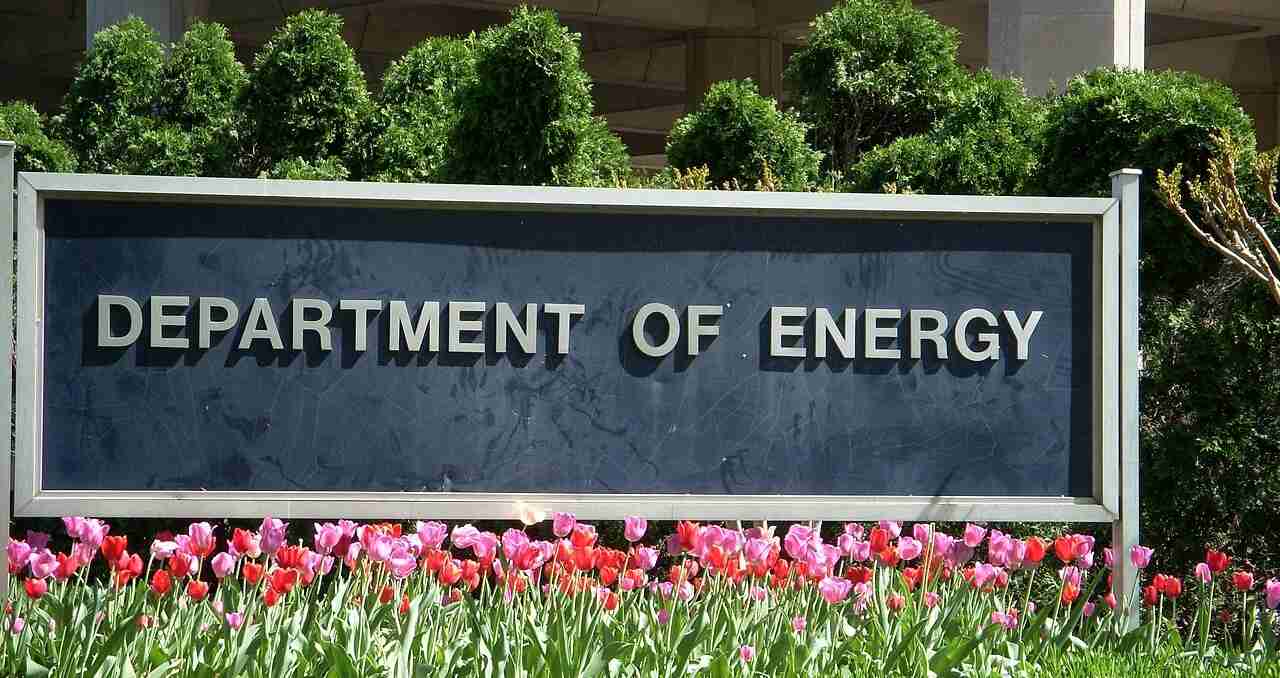
President Donald Trump on Nov. 24, 2025 signed an executive order launching the “Genesis Mission,” a federal AI initiative to unite DOE, national laboratories, universities and private firms to accelerate scientific discovery and tackle energy, engineering and national-security challenges.
Key takeaways
- Genesis Mission: A centralized federal AI program to speed scientific discovery and solve engineering, energy and national-security problems.
- Leads and partners: The Department of Energy and national laboratories will lead, inviting private companies and universities to contribute AI models and supercomputing.
- Central platform and safeguards: A national digital data platform will consolidate research datasets with built-in security and access controls.
- Funding: Backed in part by DOE appropriations included in the July 2025 tax-break and spending bill.
- Local impact: Fresno could see opportunities in grid modernization, agricultural AI, workforce training and contracting work.
What the executive order does
The executive order directs the federal government to build a national effort around AI tools and data to speed discovery across science and technology. Central to the Genesis Mission is creation of a large, centralized digital platform to bring scientific data from government, industry and universities into one place.
The order explicitly names the Department of Energy (DOE) and the national laboratories as lead federal actors, asking labs to open their supercomputing resources and inviting private-sector tech firms and university researchers as partners. Administration officials framed the initiative as both practical — such as streamlining the electric grid — and strategic, to protect and expand U.S. AI leadership.
Centralized data platform and data rules
A central piece of the Genesis Mission is a national digital platform to consolidate scientific datasets. Officials say the platform is intended to allow AI systems to access, combine and learn from massive amounts of research data — from materials science and energy grids to engineering models and, where appropriate safeguards apply, classified national-security datasets.
Security and privacy: officials emphasized that data security and privacy controls will be built into the platform. Sensitive or classified information will remain protected under existing rules and access will be limited on a need-to-know basis. The order also seeks to centralize certain aspects of AI oversight at the federal level to create a unified regulation and use strategy for powerful AI tools.
Public-private partnerships and supercomputing
The Genesis Mission invites universities and private companies to bring AI expertise and commercial-scale computing into government-led projects. National labs will provide high-performance computing and domain knowledge; private firms would contribute AI models, software and cloud computing capacity. The order signals a shift toward formal, wide-ranging public-private collaboration on mission-critical technology.
Administration officials presented this as combining the national labs’ secure facilities and physics and engineering expertise with private-sector AI advances to scale experiments and simulations that would otherwise be too slow or costly.
Focus areas: energy, engineering, national security
The administration positioned the Genesis Mission around several priority areas: engineering challenges, energy infrastructure (notably the electric grid) and national security problems. Improving grid efficiency and reliability was explicitly named; briefers noted short-term increases in electricity use from AI but argued the program should ultimately reduce costs per unit of energy.
Notably absent: officials did not cite medical research as a stated focus during the rollout. While AI discovery tools often have cross-cutting benefits — and breakthroughs can spill into health research — the administration’s description centered on infrastructure, defense and industrial applications.
Funding and political context
Funding for the Genesis Mission comes in part from DOE appropriations included in a larger tax-break and spending bill signed in July 2025. The order arrives amid debates over balancing rapid AI development with regulation, economic disruption and national-security risks.
Officials compared the effort’s scale to past national projects and framed it as necessary to maintain U.S. AI leadership in the face of international competition.
Questions and gaps
Officials who briefed reporters were anonymous and provided limited operational specifics. Key outstanding questions include:
- How the centralized platform will govern access and rights to data;
- How intellectual property from private partners will be handled;
- What timelines, benchmarks and performance measures will define success; and
- What oversight, transparency and protections will ensure research freedom and accountability.
Implications for Fresno, California
Economic impact
Fresno, at the center of California’s agricultural heartland, could attract federal funding and technology partnerships. Local universities, research centers and farm-tech startups may find opportunities to work on AI tools for water use, crop modeling and logistics. Electric-grid modernization could create contracting work for regional utilities and construction firms.
Political consequences
Local leaders must decide how to engage: Fresno’s elected officials, university presidents and business groups can push to win pilot projects or research grants tied to agriculture, energy resilience or regional infrastructure. They may also raise concerns about data governance, workforce impacts and whether federal projects will respect local priorities.
Social and workforce effects
The mission could create new jobs and require technical training for roles such as data engineering, AI operations and field technicians for upgraded energy systems. Community colleges and California State University, Fresno could be tapped for training programs — while support will be needed for workers who must transition from traditional roles affected by automation.
Cultural relevance
Fresno communities favor practical, local control. Framing projects around benefits such as reliable power during heat waves, smarter water management for farms and targeted job training will likely resonate. Concerns about privacy, fair access and decentralized decision-making will be important themes.
Practical applications for residents
- Grid reliability: projects to streamline the electric grid could reduce brownouts during hot months.
- Agriculture and water: AI-driven modeling could optimize water use and predict crop stress to protect yields.
- Jobs and training: federal and university partnerships may fund workforce programs in AI, data analysis and equipment maintenance.
- Local contracting: energy upgrades may create work for regional construction and engineering firms.
Reporting and next steps
The White House and DOE have said implementation plans will follow the executive order. Local leaders in Fresno and stakeholders nationwide will watch federal announcements to compete for partnerships and funding. Lawmakers and watchdog groups are expected to press for clear rules on data use, privacy and private-partner responsibilities.
Sources and attribution
The administration released an excerpt of the executive order, stating the Genesis Mission “will bring together our Nation’s research and development resources — combining the efforts of brilliant American scientists, including those at our national laboratories, with pioneering American businesses; world-renowned universities; and existing research infrastructure, data repositories, production plants, and national security sites — to achieve dramatic acceleration in AI development and utilization.” White House officials who spoke to reporters on condition of anonymity described operational details before the order was signed.
For government background and related materials, see: White House Briefing Room, U.S. Department of Energy news and releases, and federal legislative records.
“The Genesis Mission will bring together our Nation’s research and development resources — combining the efforts of brilliant American scientists, including those at our national laboratories, with pioneering American businesses; world-renowned universities; and existing research infrastructure, data repositories, production plants, and national security sites — to achieve dramatic acceleration in AI development and utilization.”



