Behind the push to keep Diablo Canyon running: lawmaker fights, permits and unanswered questions
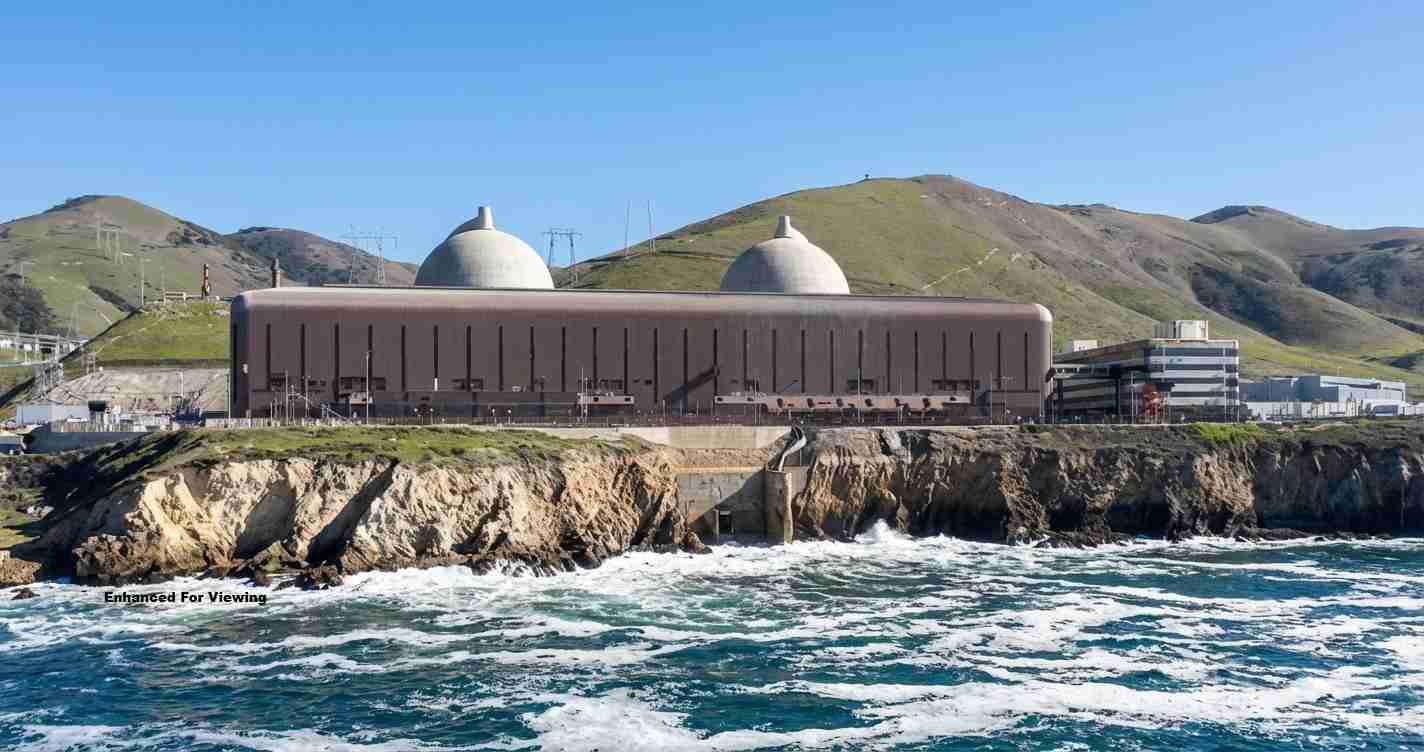
California approved extended operations at Diablo Canyon in December 2025, keeping the state’s last nuclear plant running through at least 2030 amid public debates over reliability, decarbonization and whether mitigation and lobbying shaped the outcome.
Key takeaways
- Coastal approval: The California Coastal Commission cleared Diablo Canyon to operate through 2030 with a Coastal Zone Management Act certification and development permit on Dec. 11, 2025 (San Francisco Chronicle, KSBY, CalMatters).
- Policy reversal: A 2016 PG&E closure agreement shifted after SB 846 (2022) directed regulators to plan for extended operations through 2029–2030 (San Francisco Chronicle, San Luis Obispo County planning).
- Mitigation package: PG&E agreed to conserve roughly 4,000 acres and provide $10 million for trails and stewardship, measures some locals call insufficient.
- Federal review ongoing: PG&E also applied for a federal license extension that could permit operations into the mid-2040s; that process remains under federal review (NucNet).
What changed since the 2016 shutdown deal
2016 agreement: In 2016 PG&E and environmental groups agreed to retire Diablo Canyon by 2025 as the state accelerated solar and wind deployment. That plan assumed the grid could replace the plant without harming reliability (San Francisco Chronicle).
Shift in trajectory: By 2022, rising concerns about grid reliability, increasing electrification and limits in renewables and storage led the Legislature to pass SB 846, directing regulators to plan for extended operations. Under state approvals that change meant keeping one reactor through 2029 and the second through 2030 (San Francisco Chronicle, SLO County planning).
Lobbying, venture capital and advocacy: what the record shows
Public records document a sustained push by pro-nuclear groups, industry advocates and PG&E to persuade lawmakers and regulators, including testimony, briefings and public affairs efforts that emphasized the plant’s role in reliability and low-carbon electricity (San Francisco Chronicle, CalMatters).
Claims that specific venture capitalists or named financiers decisively drove SB 846 have circulated. However, reporting and lobbying filings reviewed for this piece do not provide a clear public record naming particular venture capital firms or individual financiers as the decisive backstage players; what exists is organized advocacy from industry and utility interests.
Regulatory approvals and mitigation conditions
The California Coastal Commission’s December 2025 approval addressed impacts tied to the plant’s once-through seawater cooling system, which can harm marine life. The commission required mitigation steps including land conservation and funding for coastal stewardship.
Mitigation highlights: PG&E agreed to preserve roughly 4,000 acres near the plant and provide $10 million for trail development, maintenance and stewardship — measures commissioners said would offset some local impacts.
Local officials and community members pushed for broader protections — some requested conservation of about 12,000 acres — and said the approved measures fell short (KSBY, CalMatters).
Reactions from stakeholders
Supporters — industry groups and some energy experts — stress Diablo Canyon’s low-carbon output and its importance to preventing blackouts while the state electrifies and integrates intermittent renewables (San Francisco Chronicle).
Opponents — environmental and community groups — argue California can meet adequacy through 2030 by accelerating renewables, storage and demand management. They warn the extension may slow investment in new solar, wind and batteries and question whether mitigation goes far enough (San Francisco Chronicle, IJPR).
What’s next: federal licensing and longer-term planning
PG&E filed for federal license extensions in 2023 that, if approved, could allow operations into the mid-2040s. Those federal proceedings are separate and focus on technical reviews of plant safety, aging equipment and environmental impacts (NucNet).
Meanwhile, state energy planners and grid operators continue modeling reliability pathways with and without Diablo beyond 2030 to guide investment decisions and policy choices (San Francisco Chronicle).
Implications for Fresno, California
Economic impact
- Electricity mix and costs: Diablo Canyon’s steady, low-carbon output can help stabilize supply and wholesale markets during heat waves — relevant for Fresno’s agriculture, food processing and data center interests (San Francisco Chronicle).
- Jobs and spending: Extended operations preserve local jobs in San Luis Obispo County and could indirectly benefit Fresno-area suppliers of materials and services to statewide energy projects.
Political consequences
- State policy debate: The decision sharpens Sacramento’s trade-off between reliability and decarbonization — Fresno voters and officials will monitor whether investments favor renewables/storage or rely more on firm resources like nuclear.
- Local leverage: Fresno leaders can press regulators for investment in distributed resources — rooftop solar, storage and grid upgrades — that benefit San Joaquin Valley communities.
Social effects
- Reliability: If Diablo helps avoid outages, Fresno farms, hospitals and schools may face fewer costly interruptions to irrigation, cold storage and health services.
- Environmental justice: Advocates in Fresno may demand that mitigation funds and renewable investments reach disadvantaged communities that historically bear disproportionate environmental burdens.
Cultural relevance and practical applications
The renewed nuclear debate forces residents to weigh trade-offs between low-carbon baseload power and the desire to transition to renewables. City and county planners should factor potential state energy policy shifts into economic development, emergency planning and infrastructure investments.
References and further reading
- San Francisco Chronicle
- KSBY
- CalMatters
- San Luis Obispo County planning — Diablo Canyon extended operations
- IJPR (Imperial Valley Public Radio)
- Carbon Pulse (coverage)
- NucNet
Reporting for this story drew on the above public news reports and regulatory filings. Public records show organized advocacy for keeping Diablo Canyon in operation, but available sources do not identify specific venture capital backers alleged in some accounts.