Military ordnance prematurely detonates over I‑5 at Camp Pendleton; debris strikes CHP vehicle during anniversary event
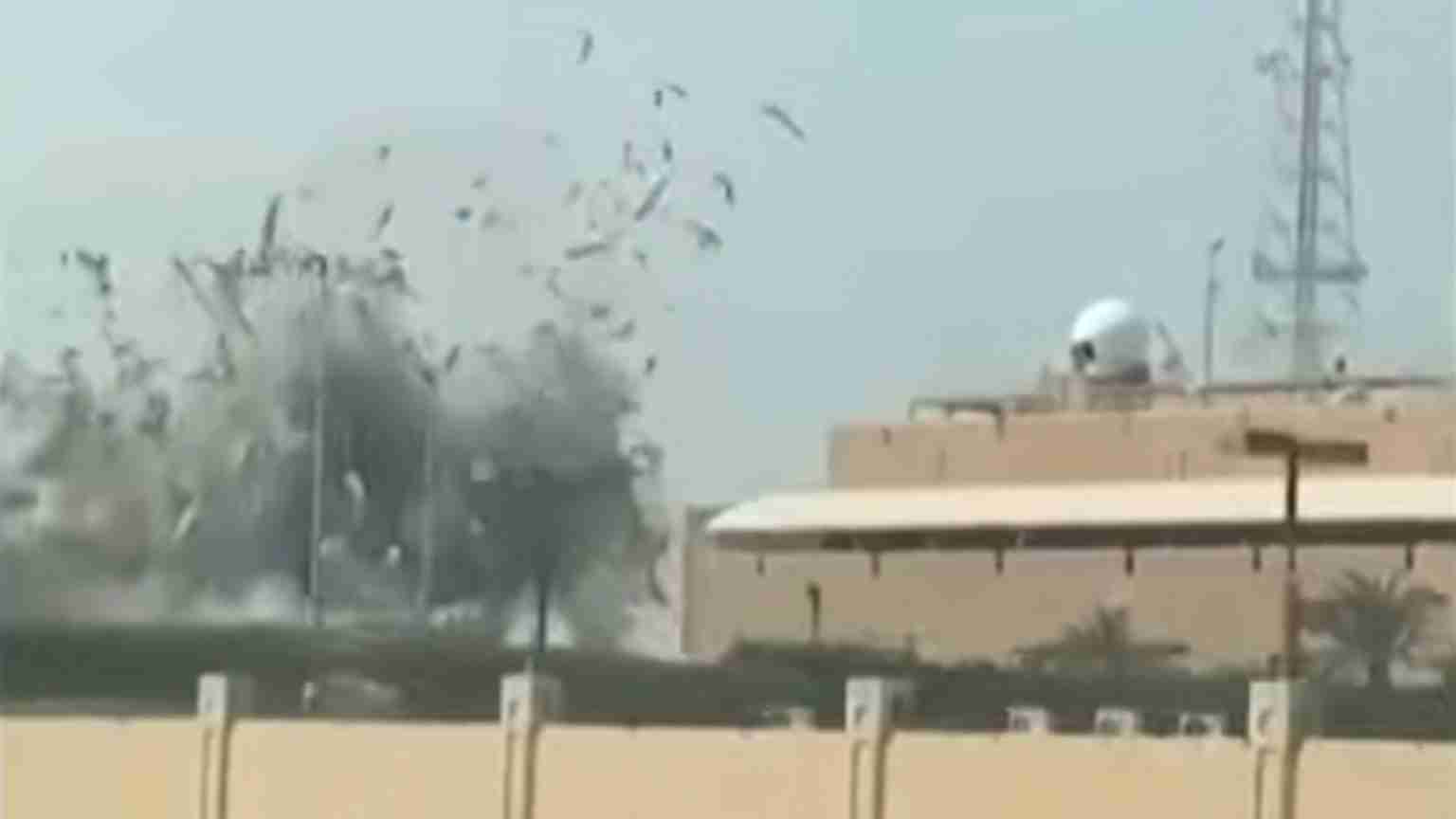
Military ordnance prematurely detonated during a planned anniversary event at Camp Pendleton on Oct. 19, 2025, sending debris onto southbound I‑5; fragments struck a California Highway Patrol vehicle, injuring one officer and prompting major traffic delays.
- Premature detonation: A ceremonial/training round detonated earlier than planned, sending fragments onto the southbound lanes of I‑5.
- Minor injuries: One California Highway Patrol officer sustained minor injuries after their vehicle was struck; no fatalities reported.
- Response and delays: CHP and base officials secured the scene and closed/slow‑rolled southbound I‑5 for hours while clearing debris.
- Investigations launched: Camp Pendleton, CHP and Department of Defense review boards have opened inquiries into cause and safety protocols.
What happened
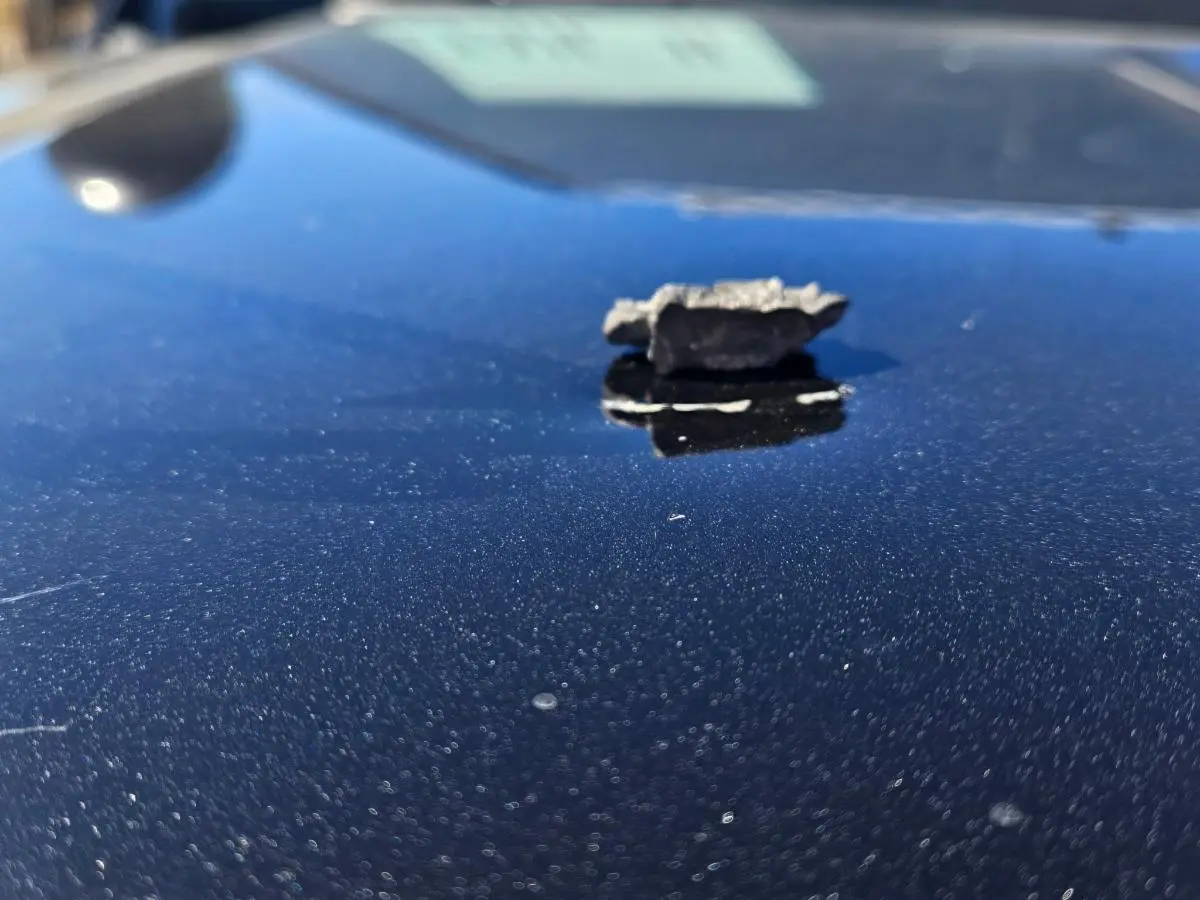
Officials say a ceremonial or training round fired as part of an anniversary event at Camp Pendleton did not perform as intended and detonated earlier than planned. The premature detonation threw fragments and debris off the base onto the shoulder and travel lanes of the southbound I‑5 Freeway, striking a California Highway Patrol vehicle that was driving past.
The CHP vehicle was reportedly able to pull over safely. One officer sustained what the CHP described as minor injuries and was treated on scene or at a local hospital, according to preliminary reports. Local emergency crews, base safety officers and highway patrol units responded and closed or slowed a stretch of southbound I‑5 to allow for scene control and a safety sweep. Sources include Camp Pendleton public affairs and the CHP Newsroom.
Immediate response and public safety measures
After the explosion, multiple witnesses called 911, and traffic in the area backed up as CHP and base personnel established a perimeter. Authorities checked the highway for unexploded material and other hazards. Southbound lanes of I‑5 near the base were subject to temporary closures and heavy delays as crews cleared debris and investigated the scene.
Camp Pendleton public affairs confirmed that the event had been planned in coordination with local officials, but that the ordnance was expected to detonate in a controlled manner away from public roads. Base officials said the premature detonation was unexpected and that safety protocols were being reviewed. See the base statement from Camp Pendleton public affairs.
Investigations under way
Both Camp Pendleton and the CHP have opened investigations into the cause of the early detonation. Military officials have notified higher-level safety review boards within the Department of Defense, and a formal military safety inquiry is expected. Investigators will examine whether human error, technical malfunction, a defective round, or procedural breakdowns contributed to the incident.
Camp Pendleton and Pentagon channels have jurisdiction over technical and safety elements of the event, while the CHP and local civil authorities will document the public-safety and traffic impacts. The phrase “Military investigation Pendleton” has been used by local officials and residents searching for updates. Official DoD reporting can be found via the U.S. Department of Defense newsroom.
Safety context and expert perspective
Experts in military safety note that live ordnance demonstrations and ceremonial firings are governed by strict safety rules and risk assessments. While such incidents are rare, a failed or incorrect detonation can produce consequences that extend beyond base boundaries. Past accidental detonations at military facilities have led to procedural changes, additional training, and temporary suspensions of public live-fire events.
Military safety analysts emphasize ensuring that flight paths, fail-safes and buffer zones are adequate for nearby civilian infrastructure, including major highways like I‑5. They also underscore the importance of transparency to maintain public trust after an accident. For general guidance see the Department of Defense.
Traffic, community reaction and communications
The blast and resulting debris created immediate concern among motorists and residents. Several callers reported loud explosions and debris on the roadway. Local news outlets and first responders worked to reassure the public that the incident was an accidental detonation tied to a planned event. Camp Pendleton officials issued statements acknowledging the incident and said they were cooperating with civil authorities.
Traffic delays affected commuters and commercial vehicles on a major artery that connects Southern California to the Central Valley and beyond. The closure and cleanup were handled as an emergency response, but the long-term effect on public confidence in live military demonstrations near public roads is likely to be a topic of community discussion.
Accountability and potential policy outcomes
Military and local officials will determine whether the event met permitting and safety requirements, whether the ordnance was maintained and used according to specifications, and whether communication with law enforcement and transportation agencies was sufficient. If procedural errors or equipment failures are found, potential actions include revised protocols, expanded safety buffers, retraining, or suspension of similar demonstrations.
The Department of Defense has review mechanisms that can recommend systemic changes and corrective steps when safety problems are identified.
Implications for Fresno, California
Economic impact: I‑5 is a primary freight and travel corridor connecting Southern California and the Central Valley, including Fresno. Disruptions near Camp Pendleton can ripple northward, delaying trucks and increasing shipping times for goods bound for Fresno warehouses and markets.
Political consequences: State and local elected officials in Fresno and the San Joaquin Valley may press for clearer safety rules when military exercises occur near major roadways and request briefings on coordination with civilian agencies.
Social effects: Fresno residents who commute or receive visitors via I‑5 may experience delays and heightened safety concerns. The event could increase demand for better emergency alerts and public information about military activity.
Practical applications: Motorists and freight operators should monitor traffic alerts and allow extra time when planning routes that use I‑5. Local emergency managers and transportation agencies may coordinate contingency plans for incidents that block major north-south corridors.
Sources and reporting notes
This report is based on initial statements from Camp Pendleton public affairs and the California Highway Patrol Newsroom, as well as general procedures used by the U.S. Department of Defense newsroom for safety reviews and investigations. Reporters will continue to monitor formal releases and local traffic and public-safety bulletins for further developments.
“The premature detonation was unexpected and safety protocols are under review,” a Camp Pendleton representative said in an initial statement provided to media outlets. See Camp Pendleton public affairs for updates.