Senate passes NDAA as $901B defense bill clears Congress; Trump expected to sign amid reforms and new Ukraine aid
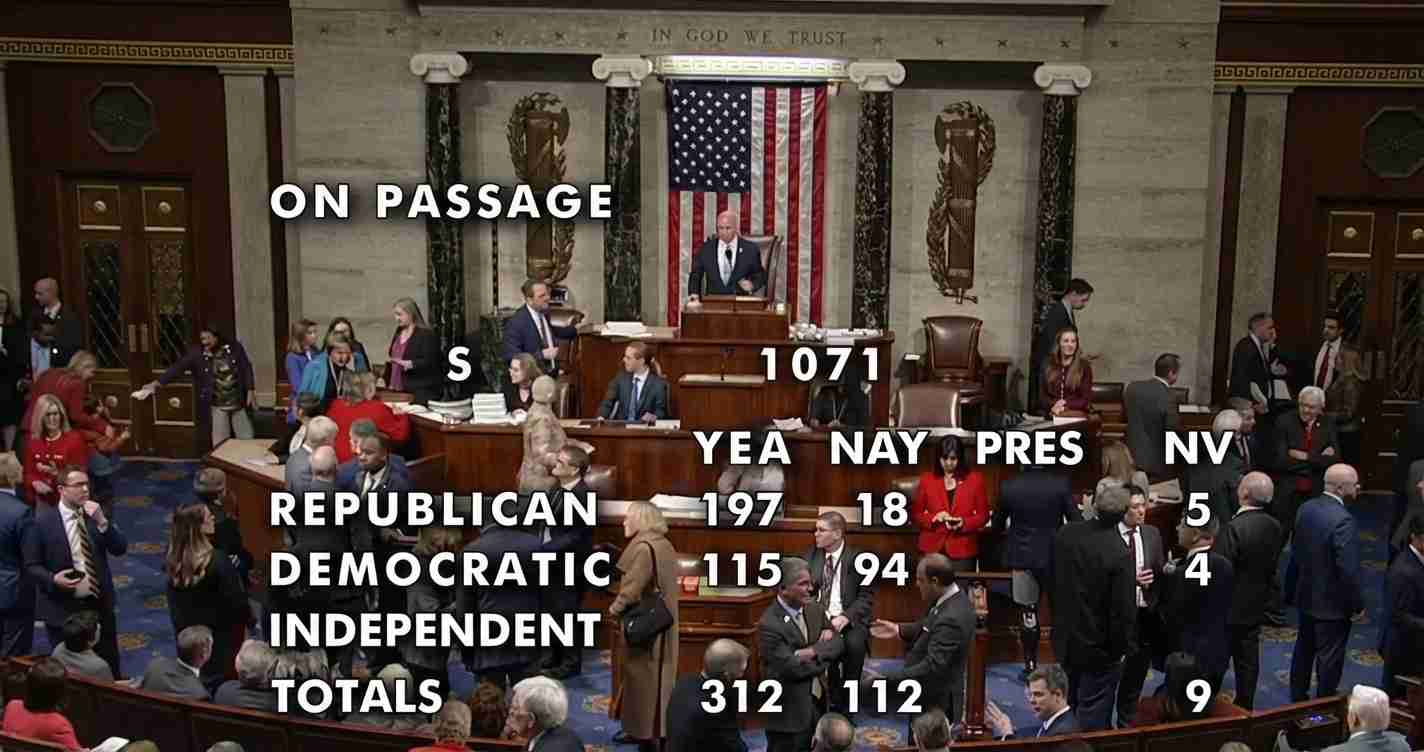
The Senate approved the Fiscal Year 2026 National Defense Authorization Act 77‑20, authorizing about $900.6–$901 billion for defense, with sweeping acquisition reforms, a near 4% troop pay raise, and new aid for Ukraine and Baltic partners.
- Senate vote: 77-20 passage; the bill now heads to President Trump with expectations of a signature and mixed White House signals — see reporting from Breaking Defense and Politico.
- Authorized total: roughly $900.6 billion to $901 billion, about $8 billion above the White House request — per Breaking Defense.
- Key changes: major acquisition overhaul, near 4% pay raise for troops, new Ukraine and Baltic assistance, and measures that limit certain overseas force posture decisions.
What’s in the bill: policy and dollars
The Fiscal Year 2026 NDAA is the annual authorization that sets policy and ceilings for Pentagon and Energy Department nuclear programs. This year’s package authorizes roughly $900.6 billion to $901 billion for defense programs — about $8 billion above the White House request — and directs priorities for the coming year while leaving appropriations decisions to the separate appropriations process.
Acquisition reform: speeding technology to the battlefield
A centerpiece of the NDAA is a sweeping rewrite of how the Pentagon buys weapons and technology. Lawmakers billed the changes as the most significant acquisition reform in six decades, aiming to:
- Accelerate weapons production timelines
- Move technology from labs into operational use faster
- Better integrate the defense industrial base with commercial technology
Supporters argue the reforms are essential to counter rapid threats from strategic competitors; critics caution that tighter timelines and looser procurement paths will require rigorous oversight to avoid waste or poorly executed programs.
Troop pay and personnel provisions
The bill includes a near 4% military pay raise intended to help service members and families offset costs. It also codifies some elements of the Trump administration’s executive actions and scales back certain Pentagon diversity, equity and inclusion efforts — aligning parts of the measure with conservative priorities reported by Politico.
Ukraine and Baltic security assistance
Lawmakers added authorities and funding language to support Ukraine and bolster security in the Baltic states. These provisions reflect broad congressional support for partners facing Russian threats, though precise dollar figures and implementation details will be finalized through appropriations and guidance — summarized by The Jerusalem Post.
Scaling back commitments and limits on European force levels
The NDAA contains measures that restrict certain overseas force posture choices and impose limits on European force levels. Proponents say this clarifies long-term commitments and pushes allies to do more; opponents warn such limits could undermine deterrence and unsettle partners. Reporting has not yet detailed every restriction or the exact mechanics of implementation.
Other notable language
Beyond budgets and posture, the bill bundles an eclectic mix of measures. Lawmakers required increased transparency around certain military incidents — including mandated sharing of boat strike videos — a provision that diverged from some White House preferences. The legislation reflects the compromises needed to craft a broadly supported NDAA.
Legislative path and timing
The House approved the NDAA earlier in December; the House cleared the same text on Dec. 10, and the Senate voted 77‑20 on Dec. 17 to approve the package. With Senate passage, the bill moved to the president. Senate Armed Services Committee Chairman Roger Wicker (R‑Miss.) called the package a “monumental achievement” for addressing 21st-century threats.
“A monumental achievement for addressing 21st-century threats” — Sen. Roger Wicker, R‑Miss.
White House reaction and the Trump signature question
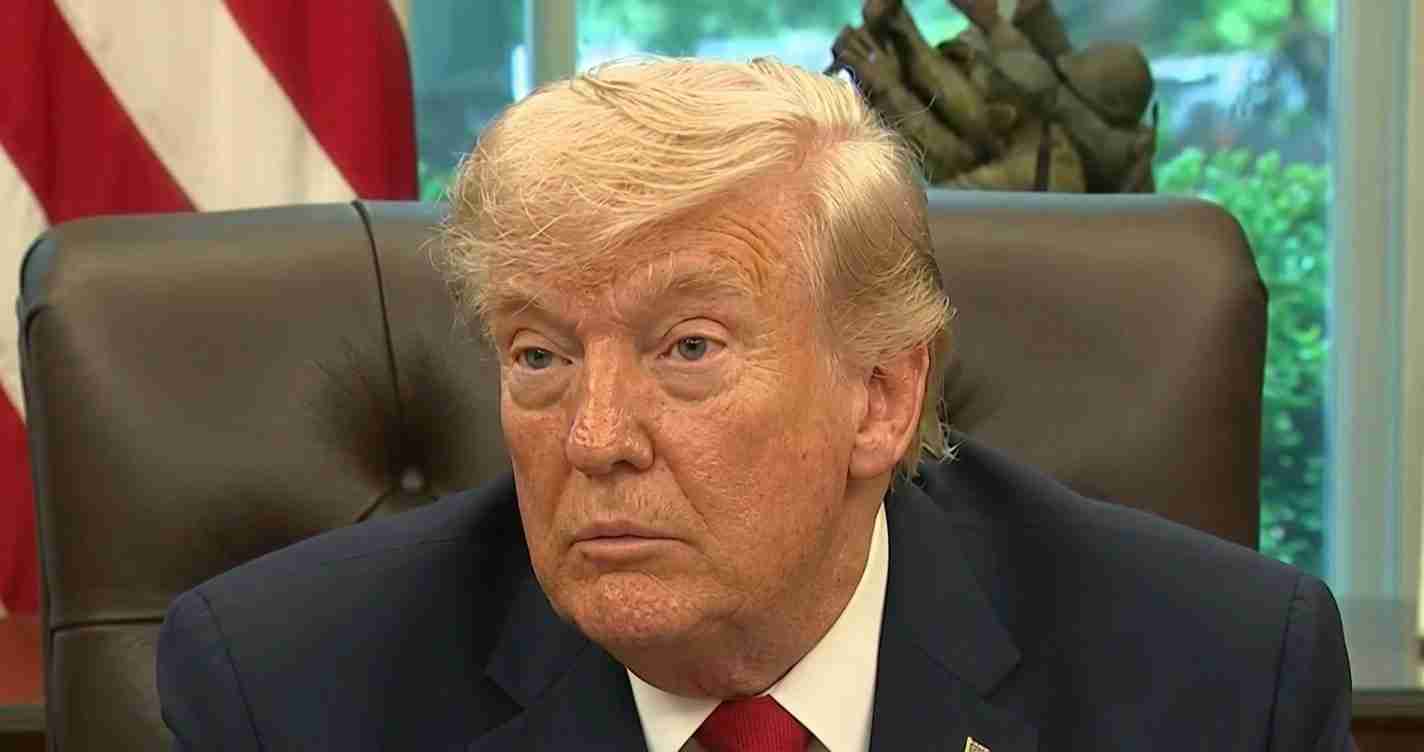
White House officials publicly expressed reservations about certain provisions, notably some foreign aid language tied to Ukraine. Senate leaders, however, said the president will “enthusiastically sign” the bill. At the time of reporting, outlets describe expectations of a signature rather than confirming a completed, quiet signing, and questions remain about how the administration will implement parts of the law.
Why this matters: authorizations vs. appropriations
Important legal distinction: the NDAA is an authorization that sets policy and approves programs. Actual funding requires separate appropriations bills enacted by Congress and signed by the president. The $901 billion figure establishes congressional intent and a ceiling, but final budget outcomes depend on the upcoming appropriations process.
Implications for Fresno, California
Economic impact: Fresno and the Central Valley host contractors, suppliers and veterans who could benefit if appropriations align with authorizations. Faster acquisition timelines could mean more contracts for local firms that supply parts, services, or technology to larger defense primes.
Jobs and workforce: The near 4% pay raise may boost incomes for military families in the region. Acquisition reform could create technical job openings, increasing demand for workforce training and community college programs.
Political consequences: Central Valley officials may emphasize jobs and veteran services, using NDAA passage to press for regional priorities. Mixed White House signals on Ukraine aid could surface in local political debates.
Veterans services and social effects: A sizeable local veteran community could see expanded support if appropriations fund veterans programs; acquisition-driven industry growth could provide transition opportunities into defense contracting.
Reporting note and sources
This article synthesizes reporting from multiple outlets. Key sources include: Breaking Defense, Politico, and The Jerusalem Post. Readers should note the NDAA authorizes programs; appropriations will determine actual funding flows.