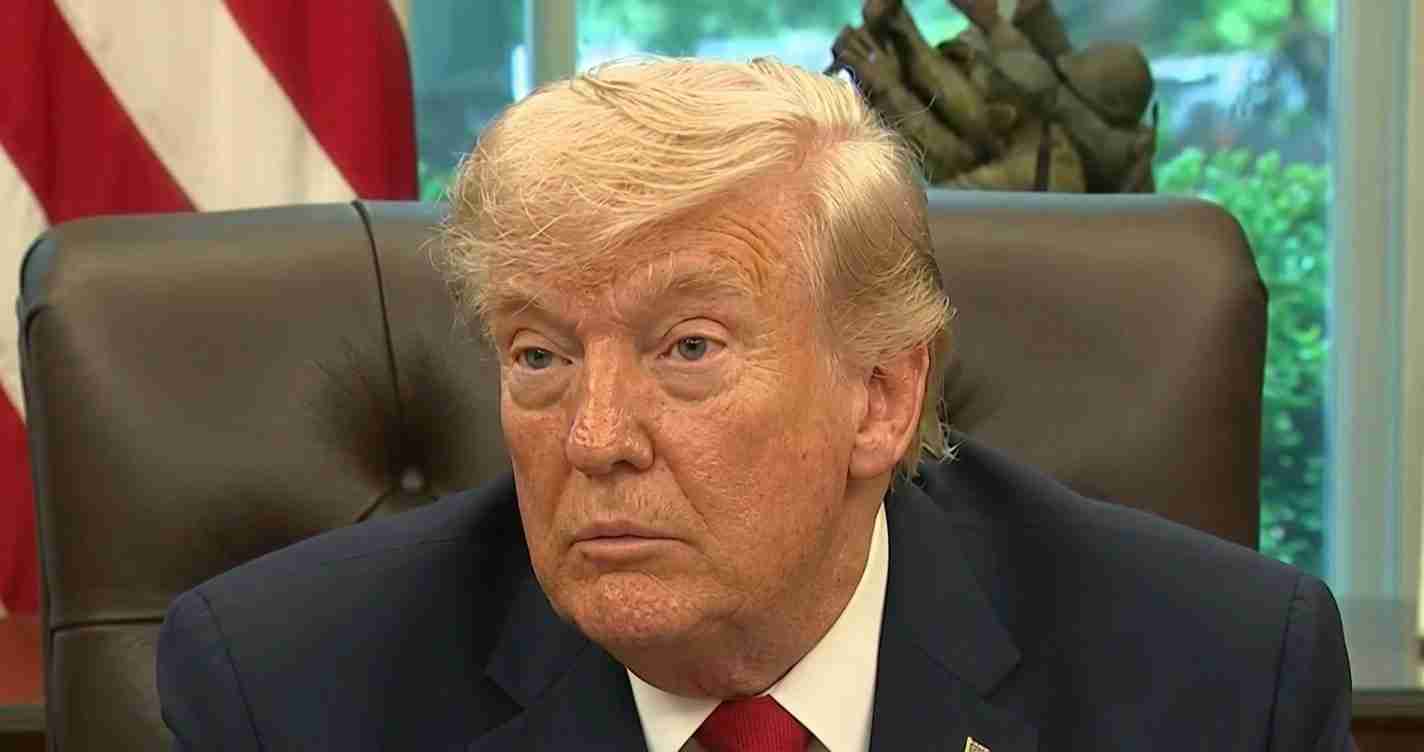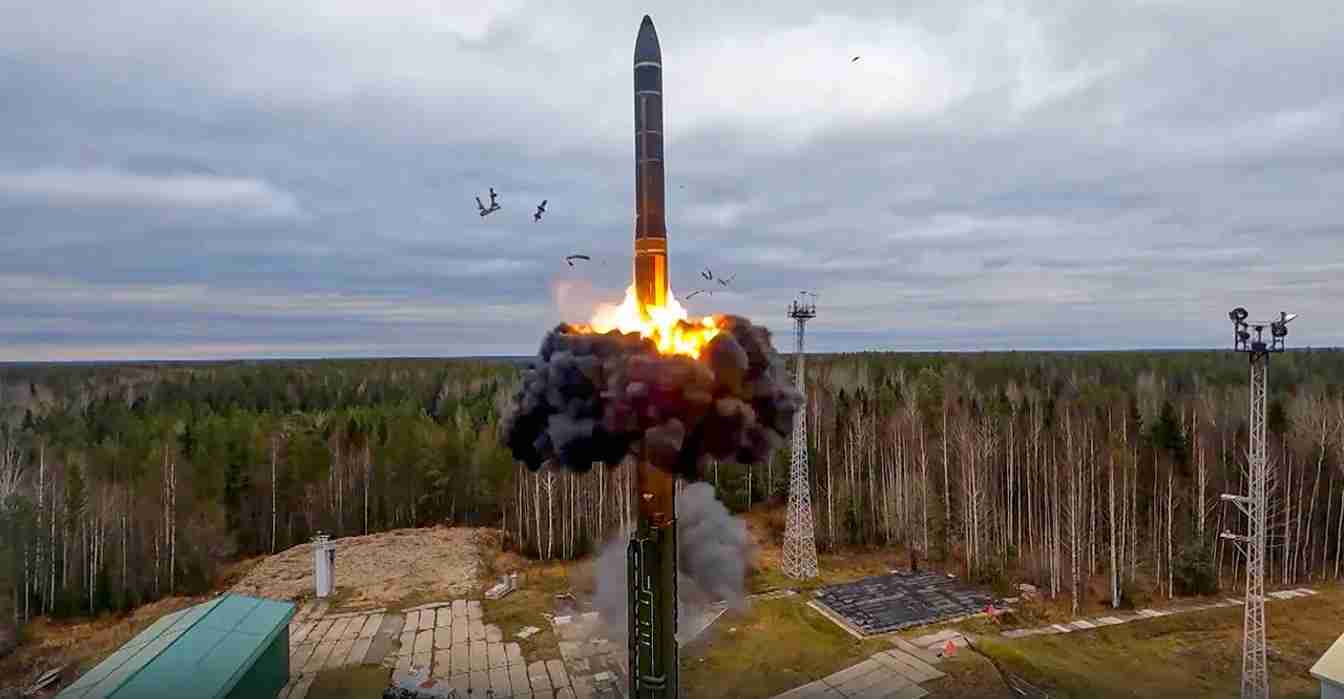
Trump orders immediate U.S. nuclear weapons testing, citing Russia and China
President Donald Trump ordered the Defense Department to begin nuclear weapons testing, citing recent Russian missile activity and China’s expanding arsenal — a directive that could alter U.S. nuclear policy, arms-control norms and international diplomacy ahead of APEC.
- Presidential directive: President Trump posted a directive on Truth Social ordering the Pentagon to begin testing “on an equal basis” with other nations. Source
- Timing: The announcement came hours before a planned meeting with Chinese President Xi Jinping at the APEC summit in Gyeongju, South Korea. Source
- Rationale: Trump cited recent Russian missile tests and China’s expanding capabilities as triggers, while asserting U.S. superiority. Source
- Unanswered questions: Officials provided no details on timelines, test types, locations, or legal analysis amid an ongoing government shutdown. Source
What the president ordered and why
President Trump used his social media platform to instruct the Defense Department to start nuclear tests “on an equal basis” with other nuclear powers. The directive, issued on Truth Social, cited recent Russian missile activity and China’s growing arsenal as justification. Source
Quoted post: The president framed the order as necessary to maintain U.S. superiority, calling the American arsenal superior to Russia’s and China’s and ranking Russia “second” and China “a distant third.”
The announcement did not specify timelines, locations or the kinds of tests envisioned — whether full detonations, subcritical experiments, or non‑nuclear component trials — leaving major operational and legal questions unanswered. Source
The trigger: recent Russian activity and China’s buildup
The administration cited a recent Russian test of a nuclear‑powered cruise missile engine and China’s steady expansion of its nuclear forces as principal triggers for the order. Analysts note the Russian event appears to have been an engine test, not a full nuclear detonation, but officials view it as part of an accelerating modernization by potential adversaries. Source
The legal and diplomatic landscape
For decades, the U.S., Russia and China observed a de facto moratorium on nuclear detonations tied to the Comprehensive Nuclear-Test-Ban Treaty (CTBT), opened for signature in 1996. While signed, the CTBT has not been ratified by the three powers — a technical gap that complicates any return to testing. Experts warn a U.S. resumption could weaken treaty frameworks and global norms against testing. Source
Diplomatic risks: Active U.S. testing would likely spark sharp criticism from Russia and China, strain allied relations, and fuel calls for reciprocal steps by other states. The White House provided no immediate legal analysis in the initial hours after the announcement. Source
Military and technical questions
It remains unclear whether the administration intends full-scale nuclear detonations or limited technical experiments. Full detonations would require extensive safety protocols, environmental reviews, and technical preparations at national laboratories and test sites; subcritical and non‑nuclear tests follow different procedures. Advanced monitoring systems and international observation mechanisms developed since the 1990s complicate secrecy for any resumed testing. Source
Logistics and oversight: A comprehensive program would involve interagency coordination (Defense, Energy), potential congressional engagement, environmental assessments, and possibly coordination with international observers. The announcement arrived as a government shutdown limited operations and official comment. Source
Arms control and nonproliferation concerns
Analysts caution that renewed U.S. testing could undercut long-standing nonproliferation efforts. The U.S. has historically led initiatives to constrain nuclear testing; a reversal may give other states political cover to expand or resume testing and weaken global norms that have limited explosive testing for decades. Source
How other countries might react
Diplomatic experts expect strong criticism from Russia and China and concern among U.S. allies. The timing — just before a bilateral meeting with Xi Jinping at APEC — raises the stakes for summit diplomacy and could shape discussions on arms control, regional security, and bilateral trust. Source
Implications for Fresno, California
While major nuclear testing would likely occur at remote federal sites, the policy shift carries local economic, political, social and environmental implications for regions like Fresno and the San Joaquin Valley.
Economic impact
- Local contracting: Fresno County hosts defense contractors and suppliers; a sustained testing program could create specialized job opportunities, though most testing work relies on national labs and remote sites outside California. Source
- Agriculture and trade: Fresno’s role as an agricultural exporter means global tensions, sanctions, or disrupted shipping could affect crop prices and farm incomes. Source
Political consequences
- Local leaders and lawmakers will face pressure to explain positions; constituents may demand clarity on national security needs and safeguards.
- The issue could become prominent in civic debates and campaign messaging around defense spending, environmental safety and regional priorities.
Social and public health effects
- Public concern: Residents may seek information on radiation risks, safety measures, and federal protection plans; clear communication from public health and emergency agencies will be essential.
- Emergency services: County planners may review environmental monitoring, public alert protocols and contingency plans even if tests take place at distant sites.
Cultural relevance
- Veteran groups and military-connected families in Fresno may engage in debates weighing deterrence against nonproliferation.
- Environmental advocates could intensify calls for transparency and rigorous safeguards.
Practical applications for residents
- Follow local officials: Watch statements from county public health, emergency management and congressional offices for guidance.
- Stay informed: Reliable updates will come from federal agencies and verified local news sources; expect more detail if the Department of Defense releases testing plans or environmental assessments.
- Civic engagement: Contact representatives to express views on national security, arms control and community safety.
Questions and next steps
Officials offered no immediate legal analysis and provided limited comment as the government remained affected by a shutdown. Experts warn that any testing plan would require interagency reviews, environmental assessments, and clear public communication to manage risks and international ramifications. Source
Source
Times Media Service reporting and analysis based on available public statements and reporting: Times Media Service reporting and analysis