Pentagon accepts $130 million from anonymous “Trump friend” to pay troops amid government shutdown
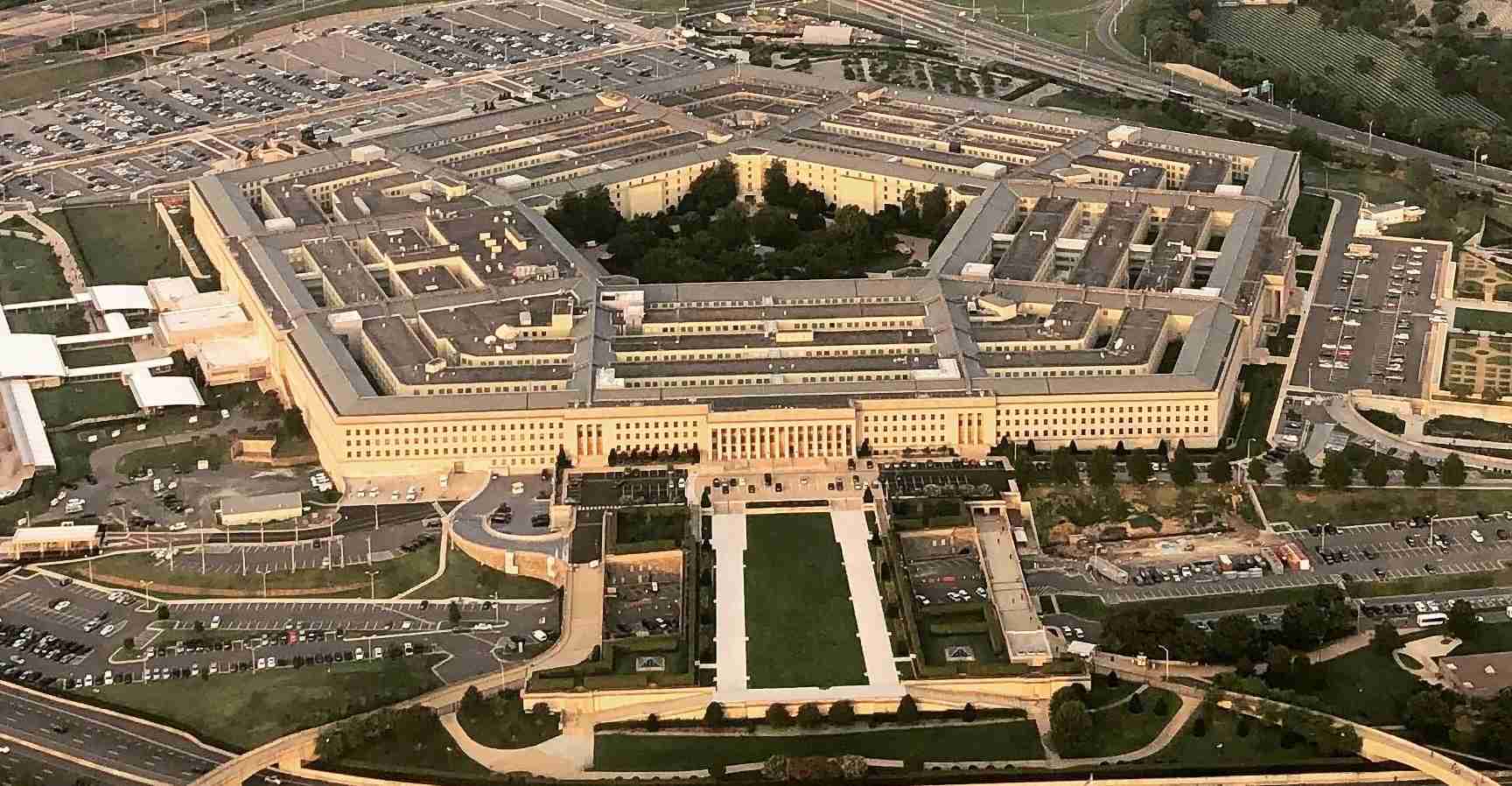
The Pentagon accepted a $130 million anonymous donation, described by former President Trump as from a “friend,” to pay service members during the government shutdown — the first use of private funds for military payroll, raising transparency concerns.
- Amount: $130 million to offset service members’ salaries and benefits.
- Donor: Anonymous; described publicly by former President Trump as a “friend.”
- Legal basis: Accepted under the Pentagon’s general gift authority, prompting oversight questions.
- Implication: A precedent that could shift how core government obligations are covered during shutdowns.
Details of the donation
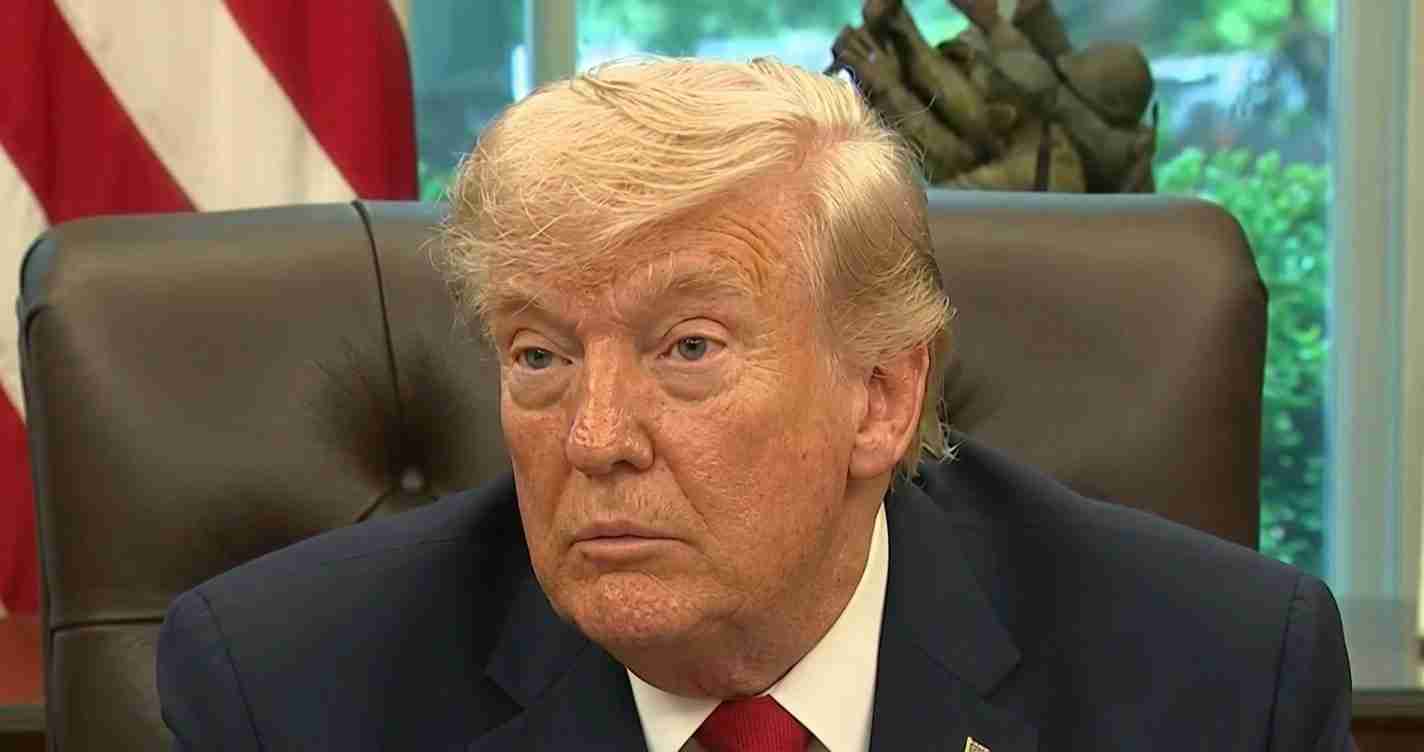
On Oct. 23, the Pentagon confirmed acceptance of a $130 million gift intended to “offset the cost of service members’ salaries and benefits,” according to Pentagon spokesman Sean Parnell. President Trump publicly disclosed the donation at a White House Homeland Security Task Force roundtable, saying:
“A friend of mine … said, I’d like to contribute any shortfall you have because of the Democrat shutdown. He sent us a check for $130 million…”
— President Donald Trump
The Department of Defense has not released the donor’s identity or a detailed distribution plan, citing the donor’s request for anonymity; Pentagon officials described the gift as a short-term stopgap while the shutdown continues. For more on the Pentagon confirmation, see Pentagon confirmation.
Why this is unprecedented
Military and policy experts say this is the first known instance of private funds being used to cover routine military pay, breaking decades of reliance on Congressional appropriations. The move raises questions about whether accepting private money for core, recurring obligations is appropriate and what precedent it sets for future funding standoffs (background coverage).
Shutdown’s pressure on military finances
The shutdown forced the Defense Department to reallocate funds from other accounts to keep paychecks flowing. Officials say billions were diverted from other budgets, but continued deadlock meant the Pentagon still sought ways to avoid missed paydays for service members. The $130 million is intended as a temporary measure to avoid immediate interruptions in pay (report).
Legal and transparency questions
The Pentagon accepted the funds under the general gift authority, a law that permits the Defense Department to accept donations for certain purposes. Legal experts and watchdog groups immediately raised concerns about limits and oversight of that authority when applied to payroll.
- Appropriateness: Is private funding acceptable for core, recurring obligations like payroll?
- Disclosure: What rules require donor identity disclosure, and when can anonymity be honored?
- Oversight: What mechanisms ensure donated funds are applied fairly and legally?
Observers also noted that a one-time gift does not replace a budget passed by Congress, and the Pentagon will face similar questions if the shutdown persists and no further private funding emerges (Economic Times analysis).
Perspectives and political framing
At the roundtable announcing the donation, President Trump framed the gift as a response to a Democratic-led refusal to resolve the shutdown. Critics argue the framing oversimplifies a complex, often bipartisan budget impasse involving both the White House and Congress.
Transparency advocates warned that undisclosed donors with potential influence could create real or perceived conflicts of interest if private money is used to fund public servants. Experts asked the Pentagon to clarify the legal basis, conditions attached to the gift, and the distribution plan (AOL coverage).
How the money will be used — and who decides
Pentagon officials thanked the donor but have not provided a public accounting of how the $130 million will be allocated, or whether it will fund base pay, benefits, or other personnel costs. Without such detail, equitable distribution across ranks, services and locations remains unclear.
Policy analysts say the Department of Defense needs clear rules for accepting private funds in the future, addressing donor disclosure, limits on influence, and reporting requirements to Congress and the public (policy concerns).
Implications for Fresno, California
Fresno is home to many active-duty service members, veterans and families who depend on predictable paychecks. A missed payday or uncertainty can strain household budgets and increase demand for local emergency assistance. Community organizations report higher requests for help, and local banks have handled more calls from military families seeking short-term support.
Political consequences: Fresno voters — often moderate and pragmatic — may press elected officials for a quick Congressional resolution. Local leaders could push for protections that prevent future pay disruptions for service members.
Social and cultural effects: Dependable federal pay matters to Fresno’s veteran community. The optics of an anonymous “Trump friend” funding paychecks may intensify local debates about transparency and political influence.
Practical advice: Fresno-area service members should watch for official guidance from their units. Veterans’ service organizations, county social services and nonprofits may offer short-term financial help while the shutdown continues.
Sources and further reading
- Military.com: Pentagon accepts $130 million donation to pay troops (Oct. 24, 2025)
- AOL News: Pentagon accepted $130 million donation
- Economic Times: Trump’s ally donates $130 million anonymously to pay US troops amid shutdown
Reporting note
Pentagon spokesman Sean Parnell confirmed acceptance of the gift on Oct. 23; President Trump announced the donation at a White House event. The Department of Defense cited the donor’s desire for anonymity and used its general gift authority to accept the funds. Further details on donor identity, distribution plans and oversight mechanisms have not been released.