
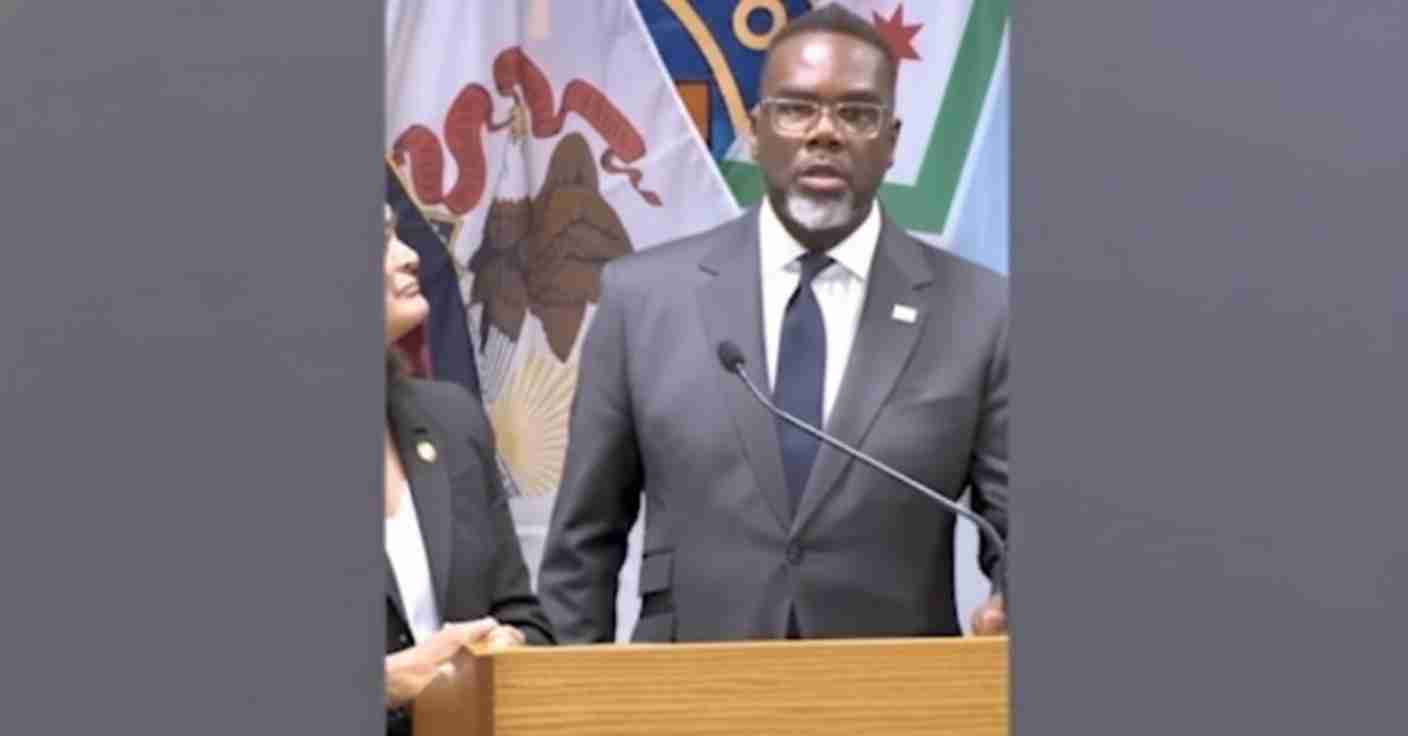
Chicago mayor spars with reporter over deportations as migrant crime debate engulfs city
Chicago Mayor Brandon Johnson faced a viral press confrontation after he declined to answer whether he would support ICE deportation in a violent-assault case, igniting a heated debate over sanctuary policies, public safety, and federal enforcement in the city.
- Viral moment: A press exchange in October 2025 where the mayor refused a deportation question drew national attention and widespread sharing of video clips.
- Policy clash: Johnson defends Chicago’s sanctuary rules and warns cooperation with ICE can undermine trust and public safety in immigrant communities.
- Federal response: Heightened federal enforcement and legal moves by state and city leaders have escalated tensions and protests around ICE activity.
- Local implications: The episode has sparked debates about resources, policing, and possible reverberations in cities like Fresno regarding budgets and community trust.
The press exchange that went viral
During a public briefing in October 2025, a reporter asked Mayor Johnson whether he would want ICE to deport an undocumented immigrant accused of a violent rape and assault on the city’s North Side. Instead of answering, Johnson sought to move on, saying local police are not federal immigration agents and reiterating Chicago’s welcoming-city stance. Video of the interaction spread quickly online and drew national attention.
The moment intensified when the reporter pressed, asking if Johnson would support deportation “as a man, not as mayor.” Johnson continued to refuse engagement and ended the exchange.
See the video and the short clip that circulated online.
Why reporters and some residents pressed the mayor
Reporters and residents arguing for tougher action say public safety is at stake. They point to isolated but serious crimes allegedly committed by undocumented immigrants and question why city leaders will not call for deportation in such cases. Critics frame the issue as part of a broader debate over Chicago Mayor migrant crime and contend sanctuary practices can shield those accused of violent offenses.
Some residents also link the migrant influx to budget strain, saying shelter and social services costs have risen and that city resources are stretched thin. Local coverage reflects strong language and frustration about fiscal and social impact (coverage).
Mayor’s stance: sanctuary policy and community trust
Mayor Johnson has defended Chicago’s sanctuary ordinances and directed city staff to limit cooperation with federal immigration enforcement, citing local ordinance and state law. He argues that if local police cooperate with ICE, immigrant communities will stop reporting crimes — a claim he says would ultimately harm public safety.
Johnson and his office emphasize that federal immigration enforcement is a federal responsibility, not a local police duty, and warn that federal raids risk creating division and fear in schools and neighborhoods. See related video.
Federal enforcement and city response
Federal authorities signaled plans for heightened immigration enforcement in Chicago. City and Illinois officials sought legal steps to block some operations, arguing large-scale federal actions could endanger residents and disrupt local services. Local reporting notes intensified federal presence and tense scenes across parts of the city (report; reporting).
Allegations about police behavior
Claims emerged that Chicago police were ordered to “stand down” during some federal immigration actions. Police leadership denied the allegation, but the claim fueled anger among officers and residents who feel law enforcement is being undermined. Video and on-the-ground reporting captured protests and confrontations after enforcement activity (video).
Community reaction: split and heated
Reactions across Chicago are sharply divided. Some residents say Johnson is failing to protect them and that sanctuary policies leave the city vulnerable. Others — including immigrants’ rights advocates and civil rights groups — warn that federal raids and deportations destroy trust and deter victims and witnesses from reporting crimes.
Supporters of stronger enforcement use the viral clip to argue sanctuary leaders are out of touch; supporters of the mayor counter that the clip omits legal context about the limits on local power and the need to protect immigrant witnesses.
The viral effect and national debate
The exchange where Johnson refused to answer the deportation question became a national flashpoint. Clips circulated widely on social media and were amplified by national outlets. The incident is used by both sides to bolster arguments about sanctuary cities and federal enforcement.
Watch the full video, the short clip, and related video coverage cited in reporting.
Sources and reporting
This story draws on multiple sources including recorded exchanges (video; short clip; video), local reporting on federal enforcement plans (report; reporting), and coverage of community reaction (coverage). Additional video documents confrontations during raids (video).
Implications for Fresno, California
Economic impact: Fresno already faces budget pressures and demand for social services. National attention on migrants and city budgets can affect funding and service needs locally. A shift in federal enforcement could change migration flows and costs for shelters, hospitals, and social services.
Political consequences: The debate over Sanctuary city Chicago and Brandon Johnson ICE policy may influence California politics. Fresno officials may face pressure to define their stance on cooperation with ICE and to balance public safety with community trust.
Social effects and cultural relevance: Trust between immigrant communities and police is central in Fresno as well. Chicago’s episode shows how raids and public confrontations can chill cooperation; Fresno community groups and law enforcement may look to Chicago for lessons on outreach, victim protection, and maintaining safety.
Practical applications for local leaders
Fresno leaders can take steps now to reduce tensions similar to those seen in Chicago. Practical measures include clear local policies on information-sharing with federal authorities, increased funding for victim services and translation, and community policing strategies that build trust without compromising safety. Officials should also review shelter capacity and social services to prepare for potential shifts in migrant arrivals.
Bottom line: The Chicago exchange over deportations highlights the trade-offs cities face between public safety, legal limits on cooperation with federal authorities, and the need to preserve trust with immigrant communities. Cities like Fresno will likely weigh these factors as they craft local policy and public messaging.


