Deadliest day in Gaza: Israeli airstrikes kill at least 143 as IDF accuses Hamas of breaching truce
May 15, 2025, was Gaza’s deadliest day since the March ceasefire collapsed: Israeli airstrikes killed at least 143 people, an escalation Israel linked to alleged Hamas truce breaches, deepening the humanitarian crisis and drawing global criticism.
- Spike in violence: At least 143 killed in Gaza on May 15, 2025. (Source)
- IDF justification: Israel said strikes followed alleged Hamas ceasefire breaches and released drone footage of purported staging. (Source)
- Humanitarian toll: Worsening shortages, strained hospitals, and disrupted aid deliveries across Gaza. (Source)
- International reaction: Broad criticism and calls for restraint as diplomatic pressure mounted. (Source)
Main coverage
Deadliest day since the ceasefire
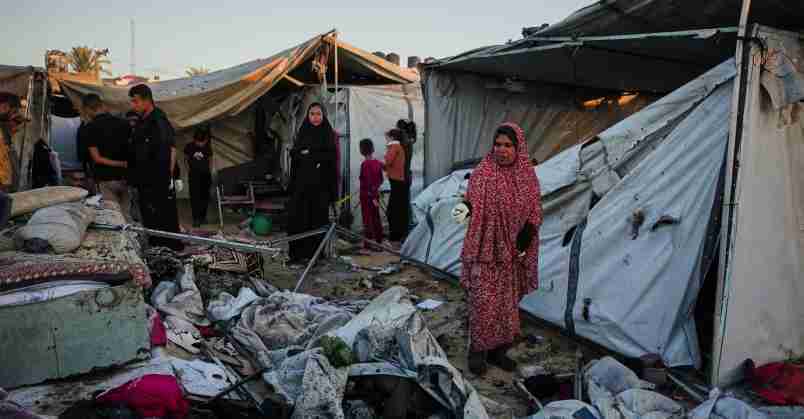
On May 15, Israeli airstrikes struck multiple sites across Gaza, including crowded civilian areas such as markets and restaurants. Officials and local sources reported a minimum of 143 dead that day — the highest single-day toll since the March ceasefire broke down. The strikes represented a sharp escalation after weeks of relative quiet. (Source)
Israel’s claim: a truce breach
The Israeli government and the IDF described the air campaign as a response to alleged ceasefire violations by Hamas. Officials framed the operations as retaliation and necessary actions to disrupt militant activity, though public reporting did not fully detail the specific violations Israel cited. (Source)
Drone footage and allegations of staging
The IDF released drone video it said showed Hamas operatives burying a white cloth containing a body and later staging its discovery in front of the Red Cross. Israeli authorities presented the footage as evidence of manipulation intended to win sympathy. Independent verification of the video was not available in the cited sources, and international monitors had not publicly confirmed the IDF’s claims at the time of reporting. (Source)
Humanitarian impact: worsening conditions
The May 15 strikes exacerbated an already dire humanitarian situation: repeated hits on densely populated neighborhoods and infrastructure reduced access to water, power, and medical supplies. Hospitals reported shortages and unsafe access for patients and staff, while aid distribution was hampered by security risks. Humanitarian groups warned the gap between need and aid availability was widening. (Source)
Broader military actions and operation name
Following the spike in strikes, Israeli forces increased operations targeting tunnels, compounds, and figures the IDF identified as key Hamas operatives. On May 16, reports described the launch of a broader offensive named Operation Gideon’s Chariots, intended to expand control and target Hamas command and infrastructure — a move that raised alarm among neighboring states and allies. (Source)
International response and concerns
The escalation prompted widespread international reaction: allied governments expressed concern, diplomatic bodies urged restraint, and humanitarian organizations called for the protection of civilians, medical facilities, and aid convoys. Critics emphasized that the high civilian toll required urgent attention and accountability. (Source)
Verification and information limits
Reporting relied on IDF statements, local Palestinian sources, and international commentary. Several IDF claims — including the drone footage allegation — were presented without independent verification in the cited sources. Casualty figures in conflicts are often disputed and may be updated as investigations and on-the-ground reporting continue. (Source)
Why this escalation matters
The intensity of May 15’s strikes and the high civilian toll mark a turning point in the renewed fighting after the March ceasefire. A single day with such casualties raises the risk of sustained operations, complicates diplomatic efforts to limit civilian harm, and deepens regional and global concerns. (Source)
Implications for Fresno, California
Though geographically distant, the escalation has potential local effects in Fresno across economic, political, social, and cultural lines.
Economic Impact
- Tighter global shipping and insurance costs can raise prices for goods, including food items, affecting local consumers and businesses.
- Charitable giving and donations may shift as residents respond to unfolding needs overseas.
Political Consequences
- Local leaders and voters may demand clarity on U.S. policy; congressional representatives could face increased constituent inquiries and town-hall debates.
Social Effects
- Diverse communities in Fresno with ties to the region may experience heightened stress and grief; demand for counseling and community support could rise.
- Vigils, demonstrations, and public dialogues are possible as residents express concern and solidarity.
Cultural Relevance & Practical Applications
- Religious and cultural organizations may lead education efforts, humanitarian drives, and community conversations.
- Nonprofits, hospitals, schools, and libraries may prepare resources and support services for affected residents.
Reporting notes and sources
This article draws on public reporting summarized in available sources. Specific claims by the IDF are noted as such and flagged where independent verification was not available in the cited materials. For background and timelines referenced here, see Source.
Ongoing developments
The situation remains fluid: casualty figures, operational claims, and the humanitarian outlook may change as independent reporting and investigations continue. Local organizers and international actors are already responding with aid efforts and diplomatic engagement. (Source)
“The May 15 strikes marked a sharp escalation that deepened the humanitarian crisis and prompted widespread international concern.”