Israeli forensics say partial remains handed over by Hamas were not hostages, complicating fragile truce
Israeli forensics at the Abu Kabir Institute say three partial sets of remains handed over by Hamas were not among the remaining hostages, following DNA analysis; the transfer was facilitated by the ICRC amid fragile ceasefire negotiations.
Key takeaways
- DNA analysis: Abu Kabir Institute concluded the three partial sets of remains do not match any remaining Israeli hostages (The Media Line; Times of Israel).
- ICRC role: The International Committee of the Red Cross facilitated the transfer under terms of a U.S.-brokered ceasefire (Times of Israel).
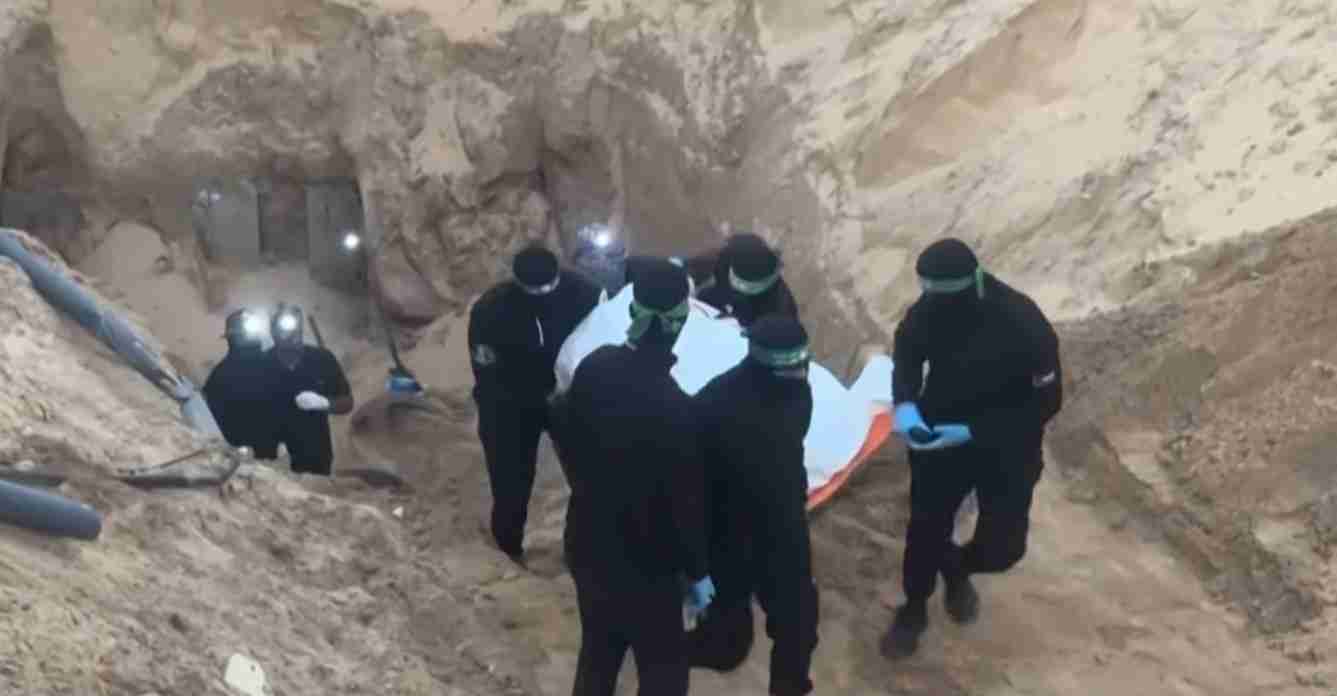
- Hamas account: Hamas’s Al‑Qassam Brigades said it found unidentified bodies and initially offered samples before transferring partial remains (video statement; The Media Line).
- Broader implications: The mismatch raises questions about how many bodies remain unrecovered in Gaza and the prospects for further identification and returns.
Remains identification and forensic findings
Israeli authorities said samples from the three partial sets of remains were taken to the Abu Kabir Forensic Institute in Tel Aviv for DNA analysis. Forensic teams compared material to the national database of missing persons and to genetic material provided by families.
Officials announced the remains did not match any of the known missing hostages and therefore were not the bodies of the remaining captives (The Media Line; Jerusalem Post).
This finding closes the immediate question about those specific remains, but it leaves unresolved the larger issue of other bodies reported missing in Gaza. Israeli teams continue DNA work on previously received samples and are pressing for access to further remains and material that could identify victims.
Hamas account and the ICRC remains transfer
Hamas’s military wing said it had found several unidentified bodies during searches in Gaza and initially offered biological samples rather than whole remains. Sources indicate Hamas objected to demands for full remains in some cases, while Israeli families and forensic teams insisted that fuller remains were necessary for reliable DNA matches (The Media Line; Times of Israel; video statement).
The International Committee of the Red Cross confirmed it facilitated the transfer. The ICRC often acts as a neutral intermediary to ensure bodies and the wounded are moved with dignity; it said it handled handovers on behalf of both sides during the broader Gaza conflict (Times of Israel).
Israeli accusations and family reactions
Israeli leaders and relatives of hostages have long accused Hamas of delaying returns and of withholding information for strategic or public-relations reasons. Families and advocacy groups expressed frustration and grief, noting that staged or partial transfers can be deeply painful and confusing for relatives seeking closure (The Media Line; Times of Israel).
Earlier in the week, remains believed to belong to some victims were returned, including the cases of Amiram Cooper and Sahar Baruch. Some transfers generated controversy over provenance and whether discoveries were staged (Times of Israel).
Ceasefire framework and remaining questions
The handover formed part of a broader, temporary ceasefire arrangement mediated with U.S. involvement that aimed to secure the release of living hostages and the return of bodies within a limited window. The deal reportedly accounted for up to 48 live and deceased captives.
To date, approximately 20 living hostages and several deceased have been returned, but Israeli officials say around 11 bodies are still thought to be in Gaza and unreturned (Times of Israel; Streamline Feed).
The mismatch between remains provided and missing lists raises questions about access to sites inside Gaza, who controls those sites, and whether humanitarian groups can conduct secure searches that allow reliable identification.
Operational and humanitarian challenges in Gaza
Hamas has said recovery efforts are complicated by widespread destruction, lack of heavy machinery and limited safe corridors. The group asked intermediaries and the ICRC for assistance in locating and lifting remains amid rubble.
Humanitarian organizations warn that without proper access and equipment many recovery operations will be slow and risky for civilians and responders (Times of Israel).
Media coverage and diplomatic stakes
Transfers and forensic results have been followed closely by international media and diplomats. Each exchange carries diplomatic weight: handling of remains affects public opinion in Israel, pressures negotiators in Doha and Washington, and tests the role of neutral agencies like the ICRC.
Inaccurate or disputed identifications can inflame emotions and complicate negotiations for longer-term prisoner exchanges or ceasefires (The Media Line; Times of Israel).
Implications for Fresno, California
Economic impact: Fresno organizations with global ties may increase fundraising or redirect resources to humanitarian aid; local businesses that rely on community giving could see shifts tied to relief efforts.
Political consequences: Fresno’s electorate may press local leaders and members of Congress for stances on handling hostages and civilian suffering. Town halls and statements may reflect calls for a durable ceasefire and protections for civilians.
Social and cultural effects: Fresno’s diverse communities may hold vigils, interfaith dialogues and informational sessions. Local cultural organizations may emphasize dignity in death, family solidarity and stronger neutral mechanisms like the ICRC.
Practical responses: Charities can set up verified donation channels for reputable relief agencies, local leaders can encourage trusted news consumption and civic forums, and mental-health services can prepare support resources for residents affected by coverage.
Sources and reporting notes
Reporting for this article draws on statements and coverage by The Media Line, Times of Israel, The Jerusalem Post, ICRC reporting cited in coverage, and a video statement from Hamas; additional reporting includes Streamline Feed.
Preserved facts: All original facts, information, and URLs are retained as sourced above.
“The remains did not match any of the known missing hostages,” officials said, underscoring the complexities that remain in identification and negotiations.