
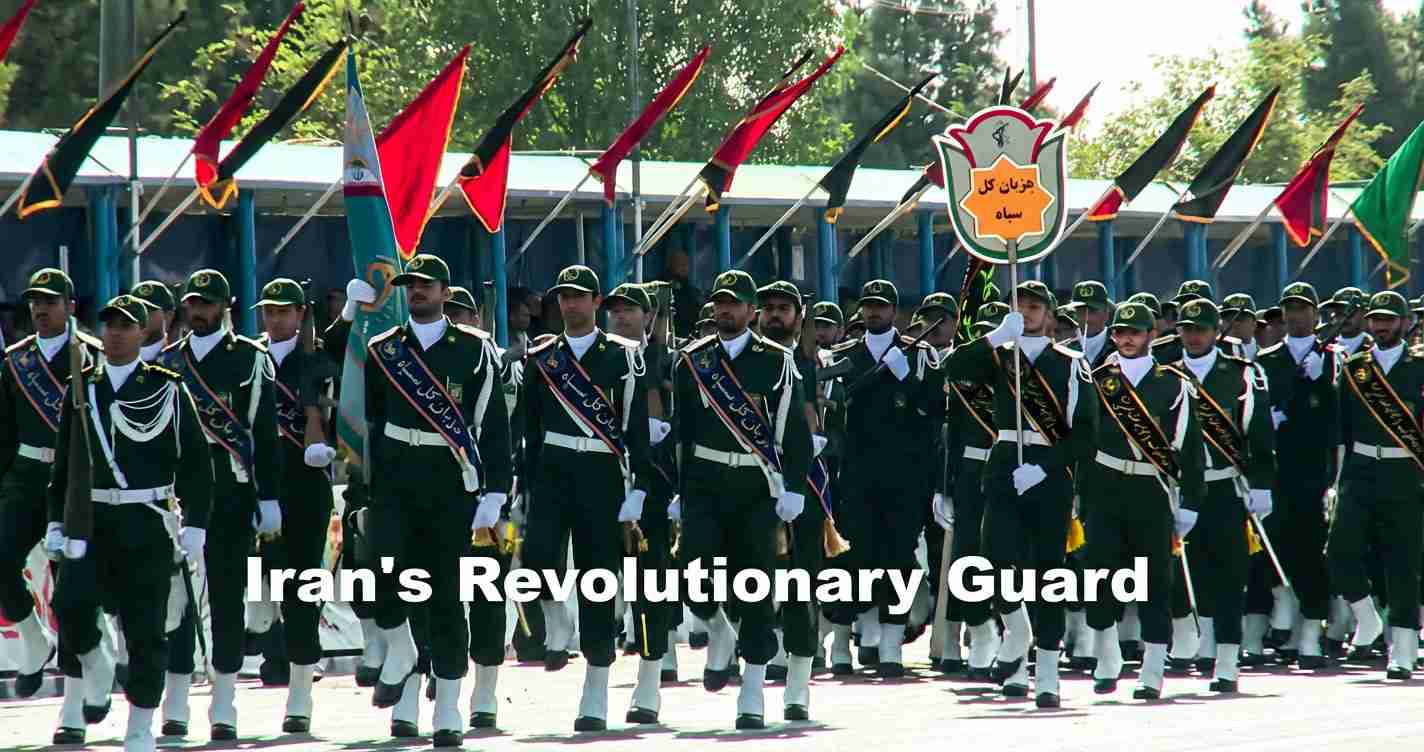
EU designates IRGC terrorist as part of new Iran sanctions in Brussels; Germany vows swift legal steps
The EU formally labeled Iran’s Islamic Revolutionary Guard Corps (IRGC) a terrorist organization on January 29, 2026, instituting asset freezes, travel bans and sanctions on more than 20 officials over the crackdown on nationwide protests.
- New listing: The IRGC, including the Basij militia and the Quds Force, is now listed under EU terrorist sanctions.
- Sanctions package: Asset freezes, visa bans and travel restrictions target the IRGC and 20+ Iranian officials implicated in protest crackdowns.
- Political signal: EU leaders called the move “long overdue”; Germany pledged rapid national legal steps to bind the listing.
- Local impact: Fresno residents may see indirect effects — higher fuel costs, community tensions, and administrative burdens for remittances.
Key information and scope
EU foreign ministers in Brussels agreed to list the Islamic Revolutionary Guard Corps (IRGC) — explicitly naming components such as the Basij volunteer militia and the Quds Force — under the bloc’s terrorist designation framework, putting the IRGC in the same sanctions category as groups like al‑Qaeda and ISIS.
Measures activated: the decision triggers immediate asset freezes, visa bans and travel restrictions for listed persons and entities. Officials said the package targets those responsible for the violent suppression of nationwide protests that began in late December 2025 and killed thousands.
What the designation covers
EU texts and statements emphasize the listing is aimed at the IRGC’s role in state‑backed repression inside Iran, human‑rights abuses and support for proxy groups abroad. The measure explicitly covers IRGC units used to suppress domestic protests — notably the Basij — and the external operations of the Quds Force.
“The decision aims to hold accountable those responsible for mass killings and systematic repression,” EU officials said in Brussels.
Sanctions measures and legal effects
Under the EU regime, designated individuals and entities face asset freezes, restrictions on accessing financial services, and a ban on travel to EU member states. The package also contemplates secondary measures such as restricting entry for relatives of IRGC leaders, following recommendations in the European Parliament resolution.
Integration: Officials said these measures will be added to the EU’s Global Human Rights Sanctions Regime to broaden tools against rights abusers across jurisdictions.
Political signals and reactions in Brussels
European Commission President Ursula von der Leyen welcomed the political agreement and described the listing as “long overdue.”
EU foreign ministers presented a united stance, with the EU top diplomat and other leaders stressing accountability for the protest crackdown. Germany pledged to make the designation legally binding in its national law as swiftly as possible, signalling rapid enforcement intent within at least one major member state.
Iran’s response and wider security context
Tehran condemned the decision as a “major strategic mistake” and warned of a powerful response. Iranian officials cited escalating military tensions in the region — including U.S. deployments such as the carrier strike group centered on the USS Abraham Lincoln — as factors that could heighten risk.
Some commentary linked the EU move to concerns about Iran’s wider international activities, including alleged ties to other states; however, EU documents focus principally on domestic repression, human‑rights abuses and regional proxy activity rather than explicit military support to third states.
International and allied follow‑up
International groups reacted quickly. The World Jewish Congress statement welcoming the EU designation praised the move and urged robust enforcement to disrupt IRGC networks in Europe.
The United Kingdom is preparing national proscription steps but reports indicate UK measures are not being fast‑tracked and will require more time to implement.
Implementation challenges
Experts and EU officials warned enforcement will be complex. The IRGC is embedded across political, commercial and religious networks; assets may be hidden through front companies. Effective sanctions will require close coordination among member states, financial institutions and law‑enforcement agencies.
Legal challenges are also expected: national courts and parliaments may review listings and freeze orders, especially where property rights and legitimate business ties intersect with designation measures.
Implications for Fresno, California
Economic impact: Fresno’s economy — focused on agriculture and food processing — is unlikely to face direct effects from EU sanctions, but rising global oil prices could increase fuel and transport costs for local growers and processors.
Political and social effects: Fresno’s diverse communities, including Iranian, Jewish and Muslim residents, may see increased discussion and localized tensions. Community groups, universities and faith institutions might organize forums, vigils or informational events. Local leaders should prepare clear messaging to reduce fear and misinformation.
Practical advice: Residents with dual citizenship, family ties or travel plans to Iran should verify visa rules and banking access. Nonprofits handling remittances must ensure compliance with federal and international sanctions. Banks and credit unions will follow national screening guidance; account holders with Iran links may face additional review.
Sources and documentation
- European Parliament resolution TA‑10‑2026‑0023 on Iran and the IRGC
- Coverage and statements from the Brussels foreign ministers meeting
- World Jewish Congress response welcoming the EU designation
- Reporting on UK follow‑up measures and context
Reporting and analysis reflect official EU texts and public statements from the Brussels meeting; readers are encouraged to consult the linked primary documents for full details.



