
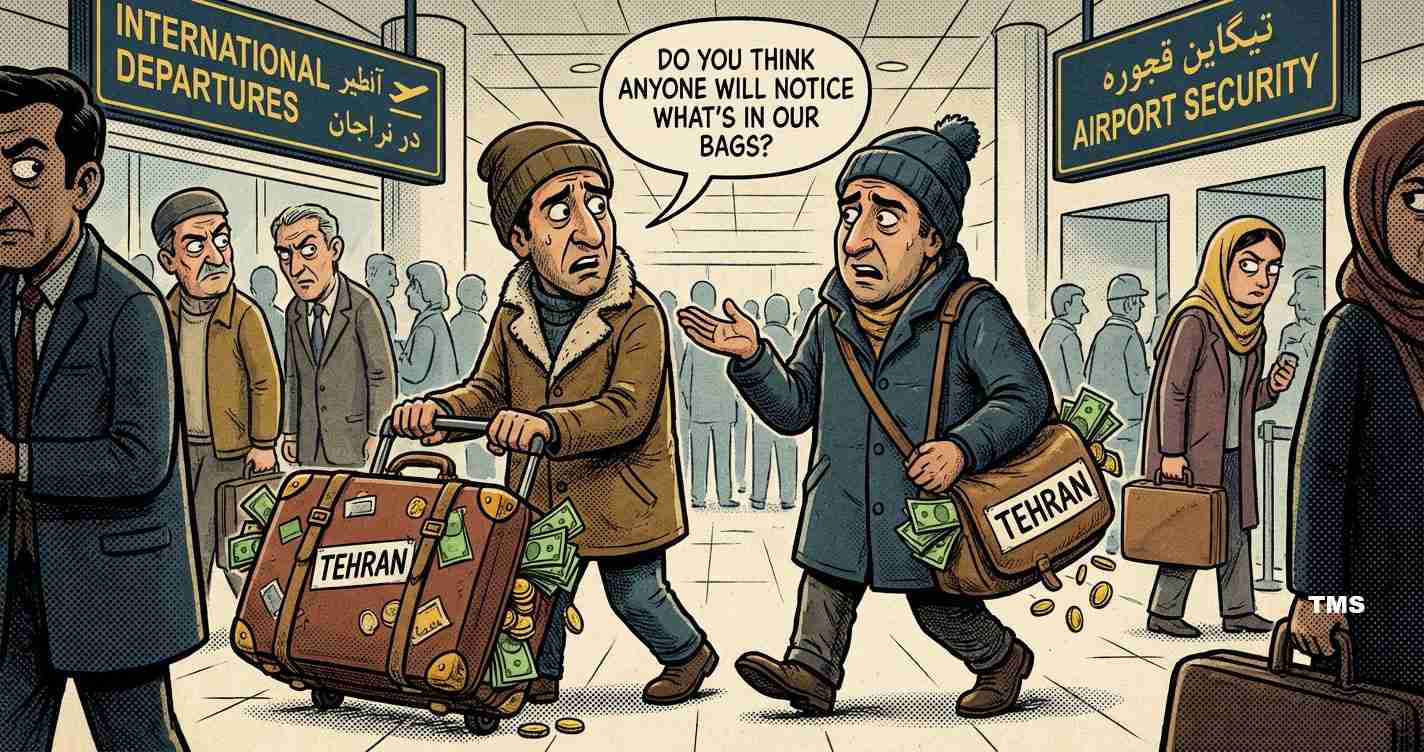
U.S. says Iran’s ruling elite moved “tens of millions” abroad as new sanctions hit shadow banking networks
The U.S. Treasury Department sanctioned five Iranian officials and shadow banking networks on January 15, 2026, accusing them of suppressing protests and enabling elites to siphon “tens of millions of dollars” in natural-resource revenues abroad. U.S. Treasury press release
Key takeaways
- OFAC sanctions: The U.S. Treasury’s Office of Foreign Assets Control targeted five officials and multiple shadow banking networks tied to diversion and laundering of state natural-resource revenue, per the Treasury press release.
- Capital flight: Treasury Secretary Scott Bessent said authorities are tracking “tens of millions of dollars” moved by regime elites and pledged to freeze and seize illicit assets (Treasury; AInvest analysis).
- Channels used: Transfers reportedly used shadow banks, conventional wires and cryptocurrency, with Dubai cited repeatedly as a common destination (AInvest; The Media Line).
- Verification caveats: Some larger figures reported in regional media — including unconfirmed claims about specific transfers — remain unverified by independent investigators (AInvest; Iran International).
Main coverage
What the U.S. sanctioned — and why
On Jan. 15, the Treasury targeted five individuals and multiple networks it says aided Iran’s security and intelligence services in moving and concealing revenue from oil and other natural resources. The measures are aimed at officials tied to the violent crackdown on nationwide protests and at the informal banking systems that enable elites to hide wealth overseas. The action builds on earlier steps taken in 2025 under a U.S. policy expanding sanctions on Iranian networks (Treasury press release).
Treasury officials said the sanctions seek to choke off channels used to siphon state money. Secretary Scott Bessent warned the United States will trace flows into global banks and work to freeze or seize assets, calling the transfers “rats fleeing the ship.” These steps, officials said, reflect concerns about regime fragility and the misuse of public resources (Treasury; AInvest analysis).
Scale and methods of capital flight
U.S. statements and reporting indicate elites moved sums ranging from millions to “tens of millions” of dollars abroad. Transfers reportedly used a mix of shadow banking — unofficial domestic networks that route funds — traditional bank wires and cryptocurrencies. Dubai is repeatedly cited as a primary destination for moved funds (AInvest; The Media Line).
Some regional outlets published larger, specific claims — for example, an unconfirmed report alleging Mojtaba Khamenei moved about $328 million as part of a reported $1.5 billion exodus. U.S. officials and independent experts have not verified that particular figure; analysts urge caution until transaction-level tracing is completed (AInvest; Iran International).
Expert view and caveats
Behnam Ben Taleblu, a senior fellow at the Foundation for Defense of Democracies, said confirmed capital flight would strengthen the case for targeted asset freezes and seizures against those who diverted state revenue. He and other analysts stressed that many open-source details remain unconfirmed and that independent verification is needed before drawing firm conclusions (AInvest).
Other outlets — including Fox News, The Media Line and Iran International — have reported similar patterns while noting uncertainty. These accounts combine official statements, regional reporting and unnamed sources; none yet offer a complete, independently verified accounting.
Economic context inside Iran
The reports come amid a deep economic crisis: the rial has plunged to roughly 1.1 million per U.S. dollar, inflation is extremely high, oil output is down and growth is forecast to be flat in 2026. Long-running shortages and rising prices helped spark protests that began Dec. 28, 2025, with workers, students and merchants staging strikes and demonstrations over the cost of living (AInvest; The Media Line; Specialeurasia).
The security response and human cost
Regional reporting and monitoring groups paint a grim picture of the regime’s crackdown. One account claims security forces killed at least 3,428 protesters within 18 days. The judiciary has labeled many demonstrators mohareb — “enemies of God” — and launched fast-track trials that could carry death sentences. Independent verification is difficult due to restricted access inside Iran (AInvest).
How the U.S. plans to enforce sanctions
Treasury officials signaled a stepped-up effort to follow money into global financial systems. The U.S. intends to use secondary sanctions and other tools to pressure foreign banks and intermediaries that accept or help conceal sanctioned funds. Officials describe the goal as creating a “permanent enforcement regime” to raise the cost for those assisting illicit flows (Treasury; AInvest).
Status of the reports
Many details rest on Treasury statements and media accounts that draw on unnamed or regional sources. Several dramatic claims remain unconfirmed: investigators note that tracing chain-of-custody through multiple jurisdictions and intermediaries can take months, and transaction-level data has not been fully disclosed (AInvest).
Implications for Fresno, California
Economic impact
- Fuel and commodity prices: Global instability tied to Iran can affect oil markets. Further pressure on exports or regional escalation could tighten supplies and push up gas prices, affecting Fresno households and agriculture (The Media Line).
- Agricultural exports: Fresno’s farming and food-processing sectors could face higher input and shipping costs if fuel prices rise or supply chains are disrupted (Specialeurasia).
Political consequences
- Local politics and federal ties: Fresno voters and leaders may press representatives for explanations about sanctions, enforcement and protections for humanitarian flows (Treasury).
- Civic engagement: Expect possible protests, vigils or town halls from Iranian-American and human-rights groups as families seek accountability and assistance (Iran International).
Social effects
- Iranian-American families: Sanctions and capital controls can complicate remittances and family finances; freezes could delay funds many immigrant families rely on (AInvest).
- Community safety and information: Crisis periods often bring misinformation and scams; local banks and community centers may need to warn residents about fraud tied to alleged asset transfers.
Cultural relevance
News of elite capital flight and protest repression resonates with Fresno’s Persian community. Cultural centers, mosques and Iranian social groups may hold information sessions, memorials or relief drives, shaping local debate on democracy and human rights (Iran International).
Practical advice for residents
- Watch prices: Monitor gas and grocery prices; small increases could affect household budgets and farm operations (The Media Line).
- Protect remittances: Check with banks and remittance services about delays or extra screening. Legal clinics and community groups can offer guidance (Treasury).
- Be skeptical of unverified claims: Rely on reputable sources and community organizations for verified information (AInvest; The Media Line).
Sources and further reading
- U.S. Treasury press release
- AInvest analysis
- Fox News report
- The Media Line
- Iran International reporting (Jan. 2026)
- Iran International follow-up
- Specialeurasia background
Reporting from Tehran; analysis for Fresno, California.



