
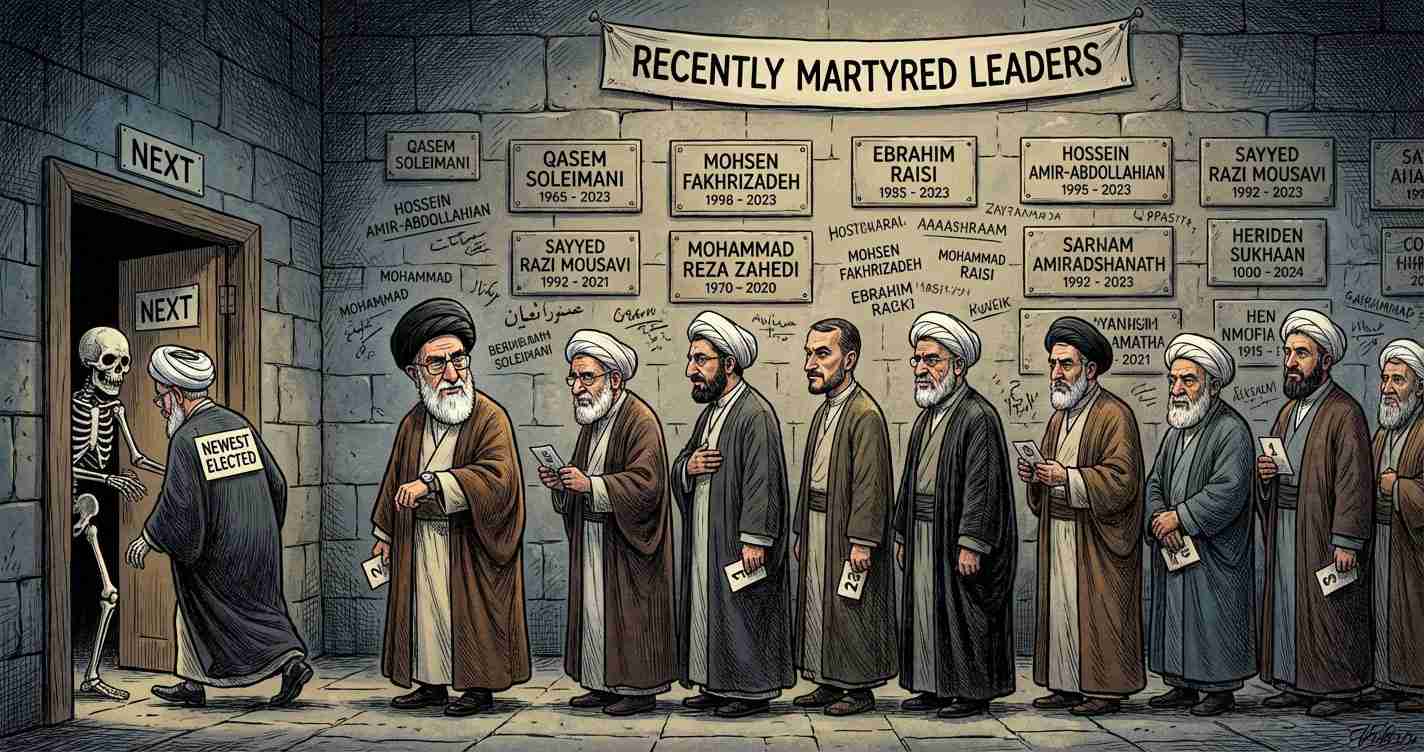
Mojtaba Khamenei Elected Iran’s Supreme Leader as War Rages After Ali Khamenei Killed in Airstrikes
Mojtaba Khamenei was elected Iran’s Supreme Leader by the Assembly of Experts on March 8, 2026, a transition announced amid ongoing U.S.-Israeli airstrikes that killed his father, Ayatollah Ali Khamenei, and intensified regional conflict and uncertainty.
- Assembly vote: The Assembly of Experts elected Mojtaba Khamenei on March 8, 2026, according to Politico.
- Context of violence: His father, Ayatollah Ali Khamenei, was reported killed during U.S.-Israeli airstrikes on a Tehran compound; related footage and state announcements appeared on state video.
- Sanctions and shadow role: Mojtaba was previously sanctioned in 2019 under U.S. Executive Order 13867 for acting as a de facto representative of the supreme leader (Politico).
- Regional impact: The vote occurred amid intense fighting and rising civilian and military casualties across the region (CBS News live updates).
Background: Mojtaba Khamenei’s rise
Mojtaba Khamenei, born in Mashhad in 1969 and raised partly in Tehran, is the second-eldest son of the late Ayatollah Ali Khamenei. He attended Alavi High School and began formal clerical studies in 1989 after the death of Ayatollah Khomeini. Over decades he was often seen at his father’s side and built a reputation as an influential behind-the-scenes figure (Politico).
Though Mojtaba held no elected office, U.S. officials have described him as representing the supreme leader in unofficial capacities and working closely with Iran’s security networks, including ties to the Islamic Revolutionary Guard Corps and Basij leadership. That profile led to U.S. sanctions in 2019 (Politico).
Election process amid war
The Assembly of Experts convened and selected Mojtaba Khamenei on March 8, 2026, while Iran faced heavy military pressure. Iranian state television announced both the death of Ali Khamenei and the new leader’s selection; video reports and state statements appeared on YouTube and domestic outlets.
An interim leadership council carried out key constitutional duties under Article 111 after Ali Khamenei’s death; the council reportedly included Masoud Pezeshkian, Gholam-Hossein Mohseni-Eje’i, Alireza Arafi and Mohammad Bagher Ghalibaf (Wikipedia).
Reports indicate the IRGC pressured the Assembly to move rapidly, pushing for an online vote amid continuing airstrikes and missile exchanges; other candidates were discussed publicly before the Assembly announced its choice on March 8 (Times of Israel liveblog).
“Complete obedience” — the Revolutionary Guard pledged unity and loyalty to the new leader shortly after the announcement, signaling a public show of discipline within Iran’s primary armed force.
U.S. and international reactions
International responses were swift. In media reporting, President Donald Trump described Mojtaba Khamenei as “unacceptable” and a “lightweight,” arguing the U.S. should seek input on leadership transition decisions to prevent future conflicts; that interview was cited widely in international outlets and clips appeared online (YouTube, Politico).
Iranian officials rejected outside interference and called for national unity; Foreign Minister Abbas Araghchi publicly dismissed foreign input into Iran’s internal choice of leader (Politico).
Analysts warned that naming the late leader’s son could spark internal controversy: critics note Iran’s revolutionary rhetoric opposes dynastic rule, and that a hereditary-style succession may weaken the new leader’s perceived legitimacy during sustained external attacks and domestic strain (Politico).
Human toll and wartime context
The leadership change took place amid sharp rises in casualties across the region. Reporting indicates the conflict has cost lives on all sides, including U.S. service members and large numbers of civilians in Lebanon and elsewhere; U.S. losses were reported to have reached at least seven service members by the Assembly vote (CBS News).
Civilian casualty reports also referenced dozens or hundreds killed in related strikes, including children; the scale of destruction and humanitarian impact remains a central concern for international responders (video reports).
Unknowns: At publication, there were no detailed public reports about Mojtaba Khamenei’s immediate policy plans, key appointments, or how he will manage relations with Iran’s military, religious institutions, and factional rivals (Wikipedia, Politico).
Implications for Fresno, California
Economic impact
- Fuel and food prices: Global conflict can push oil and gas prices higher, which would raise transportation costs for Fresno’s agricultural sector and increase grocery prices for families (CBS News).
- Trade and exports: Sanctions, shipping delays, or higher cargo insurance could slow fruit, nut and dairy exports from Fresno County, hitting processors and farmworkers.
Political consequences
- Local officials may face questions about federal policy and troop deployments; constituents will likely expect statements and support for service members.
- Immigration and refugee concerns could increase if the conflict expands, prompting local resettlement planning by community groups and government.
Social effects
- Fresno’s Iranian-American and Muslim communities may experience heightened fear and grief; schools and community organizations should expect increased demand for counseling and support services.
- Public events, vigils or protests are possible; local leaders and police must balance safety and free-speech protections.
Practical applications for daily life
- Security and preparedness: Expect heightened security at federal buildings and airports; travelers should check flight notices and advisories.
- Media and schools: Local outlets and school districts will likely provide updates and counseling resources; community centers and places of worship may offer information sessions.
What Fresno officials and residents can do now
- Stay informed from reliable news sources and official channels; verify reports before sharing on social media (Politico).
- Reach out to local community groups, consulates and elected officials for guidance on safety and support.
- Prepare economically by tracking fuel costs, budgeting for higher food and transport prices, and watching markets that affect local employers and farms.
Sources and reporting notes
Primary sources used in this report include reporting and live coverage from multiple outlets and video reports. Links below point to original reporting and video evidence:
- Politico (March 8, 2026)
- YouTube — state/international video report
- Wikipedia — 2026 Iranian Supreme Leader election (constitutional background)
- YouTube — regional conflict reporting
- Times of Israel liveblog (March 8, 2026)
- CBS News live updates — U.S.-Iran war coverage
This article reports the latest available facts and statements from official and media sources. At the time of publication, details about Mojtaba Khamenei’s immediate policies, appointments and long-term authority remained limited in public records.



