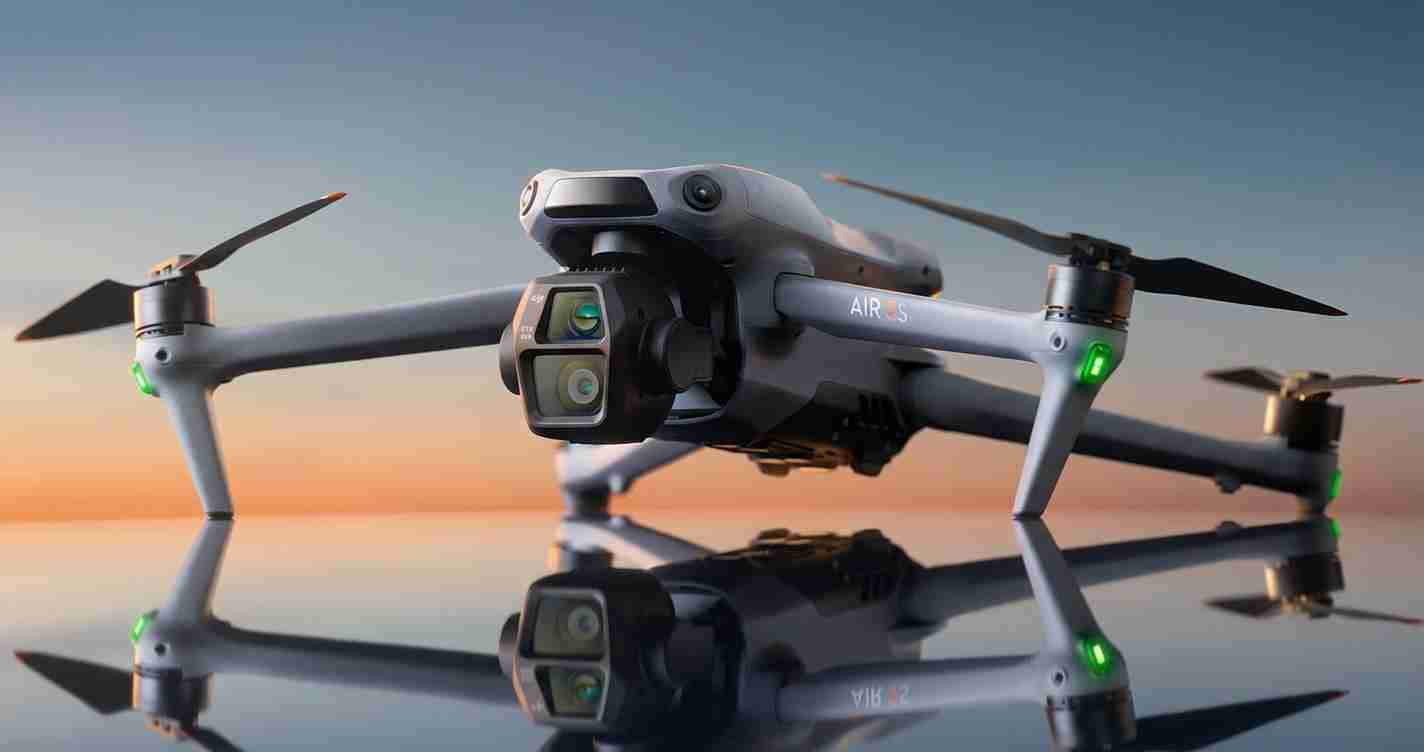
FCC bans Chinese drones in sweeping national security move, effectively halting new DJI sales in U.S.
On Dec. 22, 2025, the FCC added specified Chinese-made drones and parts — chiefly targeting DJI — to its Covered List, blocking new FCC authorizations and effectively halting legal importation and sale of new DJI drones in the U.S.
- Regulatory action: The FCC added specified Chinese drones and components to its FCC press release “Covered List,” blocking future equipment authorizations.
- National security rationale: The agency cited risks that telemetry, video feeds and supply‑chain/firmware vulnerabilities could be intercepted, altered or weaponized (FCC ruling, Dec. 22, 2025).
- Market impact: The ruling primarily names Shenzhen-based DJI and will curb new imports and sales while boosting demand for non‑Chinese alternatives such as Skydio and Autel.
What the FCC said and why
The FCC’s Enforcement Bureau framed the move as a national security safeguard in a declaratory ruling issued Dec. 22. The agency warned that “criminals, terrorists, and hostile foreign actors have intensified their weaponization of these technologies, creating new and serious threats to our homeland.” The ruling emphasized that drone telemetry and video feeds, which traverse regulated radio frequencies, could be intercepted or manipulated, enabling surveillance, data collection or interference with critical infrastructure.
“Protecting Americans from the threat of data harvesting and potential weaponization,” FCC Chair Brendan Carr said, invoking Section 2(a) of the Secure and Trusted Communications Networks Act of 2021.
Evidence cited in the ruling
The FCC pointed to multiple strands of evidence to justify listing certain products as posing “unacceptable” risks:
- Intelligence and conflict reporting showing commercial drones repurposed for military uses (Office of the Director of National Intelligence summaries).
- Cybersecurity firm analyses documenting firmware and supply‑chain vulnerabilities and incidents involving DJI equipment (reports by CrowdStrike and Mandiant).
- Congressional hearings and testimony, including work by the House Select Committee on the CCP, that raised questions about corporate ties and risk exposure.
DJI response and legal path
DJI called the ruling “unilateral and without due process,” saying the agency has not publicly released the evidence behind the decision and highlighting product features such as Local Data Mode that it says prevent automatic off‑device data transfer. DJI said it is disappointed and will challenge the action in court; the company’s statement is posted in its newsroom.
Legal experts expect appeals and protracted litigation that could take 12–18 months or longer, mirroring previous trade and export disputes (analysis reported by Reuters and Bloomberg Law).
Market and government procurement fallout
The FCC action will have immediate and ripple effects across commercial markets and federal procurement:
- Commercial availability: New models from listed manufacturers will be ineligible for FCC authorization, effectively halting legal new sales and imports once U.S. inventories are exhausted; retailers may continue to sell stockpiled units while supplies last (industry analysis: Drone Industry Insights).
- Government fleets: Many federal agencies were already phasing out specified Chinese gear under existing law and guidance; the FCC ruling tightens timelines and procurement constraints (see GSA guidance).
- Competitive shift: U.S. and allied makers such as Skydio, and other non‑Chinese suppliers, are likely to see demand rise but scaling production, training and interoperability will take months to years and increase costs for public‑safety and private users (AUVSI reactions).
- Economic effects: DJI’s U.S. revenues could fall sharply, affecting downstream suppliers and service providers that depend on DJI‑compatible systems and accessories (market reporting: Reuters).
Related U.S. actions and context
The FCC move is part of a broader approach to limit certain foreign communications and surveillance technologies. Past actions have added Huawei and ZTE to Covered Lists, while the Department of Commerce’s Bureau of Industry and Security (BIS) has used entity listings and export controls, and the Treasury Department has pursued sanctions through OFAC.
Implications for Fresno, California
Fresno’s agriculture, film, construction and public‑safety sectors rely on drones for mapping, crop monitoring, inspections and emergency response. Because many small businesses and local service providers use DJI equipment for cost and integration reasons, the FCC ban on new Chinese‑made drones could raise replacement costs and introduce short‑term disruptions.
Economic impact
Local drone service companies may face inventory constraints and higher prices for replacements and parts. Farmers who use drones for precision agriculture could see increased equipment costs. Retailers and repair shops may need to adapt to new platforms and training demands.
Government and public safety
Fresno Police, Fire, county emergency management and utilities that use DJI drones for search‑and‑rescue and wildfire mapping will need to revise procurement plans. Agencies that purchased DJI gear with federal funds may already face replacement timelines; the FCC action shortens options for future purchases and could raise short‑term costs for replacements and retraining.
Social and community effects
Hobbyist groups, university programs and youth STEM clubs should experience no immediate service interruptions for owned devices, but access to new, low‑cost DJI entry models may decline. That could slow community mapping and education programs until affordable alternatives are more widely available.
Cultural and practical relevance
Fresno’s pragmatic technology adoption may shift toward resilience and domestic supply chains. Community colleges, trade schools and Cal State Fresno could partner with non‑Chinese manufacturers and federal programs to expand training on alternative systems. Practical steps for local organizations include auditing existing drone inventories, budgeting for replacements, and reviewing grant or federal funding rules.
Sources and further reading
- FCC declaratory ruling (Dec. 22, 2025)
- DJI statement and newsroom
- Reuters coverage
- Bloomberg Law reporting
- Associated Press
- Wall Street Journal
- U.S. Department of Commerce, BIS
- U.S. Department of the Treasury, OFAC
- Drone Industry Insights
- Association for Uncrewed Vehicle Systems International (AUVSI)
Reporting compiled from FCC public documents, company statements and contemporary news coverage from Reuters, Bloomberg Law, AP and related agency releases.