IDF fortifies “yellow line” along Gaza border amid renewed concerns over Hamas tunnel threat as cease-fire strains
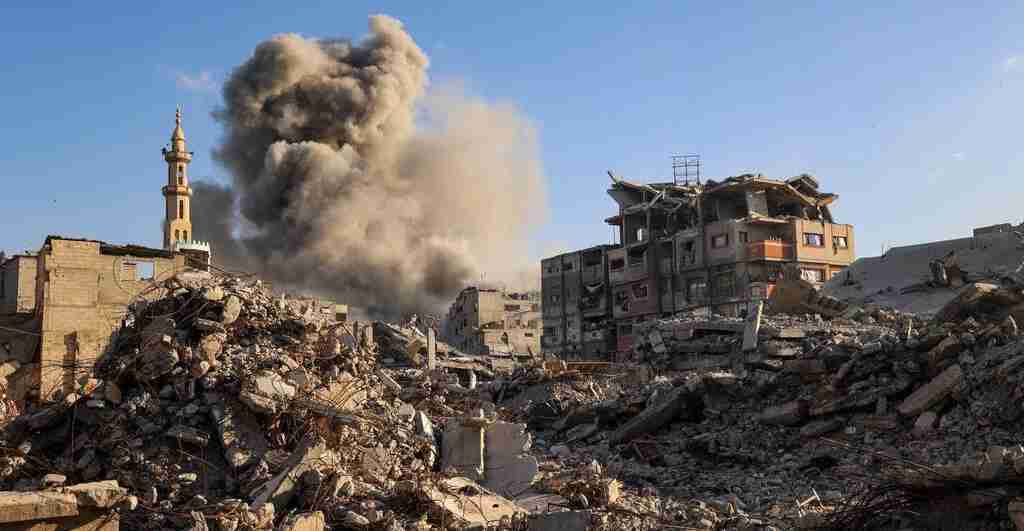
The Israel Defense Forces are reinforcing the “yellow line” along the Gaza border with hardened positions, advanced sensors and engineering sweeps after intelligence warned of renewed Hamas tunnel activity, as the fragile cease-fire shows growing strain and local tensions rise.
- Forward positions hardened: concrete bunkers, observation posts and added troop deployments along the “yellow line.”
- Technology and detection: new sensors, thermal cameras, drones and underground listening systems to spot tunneling efforts.
- Engineering countermeasures: specialized units conducting scans, controlled detonations and excavations to locate and neutralize shafts.
- Cease-fire strain: minor violations and rhetoric have prompted a buildup intended to deter incursions and provide early warning.
What the IDF is doing along the yellow line
The IDF has expanded efforts to harden positions along the yellow line — a forward perimeter separating Israeli forces and fortified outposts from Gaza. Measures include reinforcing existing concrete bunkers and observation posts, adding sandbagged positions and deploying armored vehicles to key sectors. Reporting and official statements note a visible increase in soldiers and equipment near the border.
Technology plays a central role. The IDF has increased use of ground sensors and underground listening devices designed to pick up sounds of digging and tunneling. Thermal cameras and motion detectors have been added to observation posts, and drone patrols have intensified to scan Gaza’s near-surface movement and construction activity. Israeli forces are also reported to have upgraded sections of the so-called “Smart Fence”, an integrated barrier system that includes sensors and underground detection capabilities (IDF; reporting: Reuters, BBC News).
Specialized engineering units are conducting sweeps and controlled detonations in areas where intelligence indicates possible tunnel shafts. These teams work with intelligence analysts who examine patterns of activity, satellite imagery and signals to pinpoint likely tunnel entrances or shafts. The hardening of positions is both visible — more soldiers and equipment near the border — and technical, aiming to detect and interdict tunnels before they can be used in an attack.
Why tunnels remain a focus
Hamas has long invested in a network of tunnels inside Gaza and under the border. Those tunnels have been used in past conflicts for attacks, movement of fighters and for smuggling. Israeli military planners view attack tunnels as a means to bypass surface defenses and carry out raids, kidnappings or surprise strikes.
Even during cease-fires, reconstruction of tunnel infrastructure has been reported according to military intelligence assessments and open-source reporting. The IDF’s recent fortification drive follows intelligence suggesting some rebuilding or renewed tunneling activity in parts of Gaza, prompting authorities to bolster detection and mitigation measures (analysts and reporting: Reuters, BBC News).
How the cease-fire has been affected
The current cease-fire, brokered through regional intermediaries, has largely held against large-scale operations but shows signs of strain. Reports of minor violations, isolated rocket fire, border incidents and sharp rhetoric have tested the truce’s durability. Those incidents have raised concern in Jerusalem that a sudden escalation could occur, particularly if a successful infiltration through a tunnel were attempted.
IDF officials and defense analysts say fortifying the yellow line serves two aims: to deter any group contemplating a cross-border tunnel attack, and to provide early warning that would allow Israeli forces to respond before an attack reaches populated areas. The build-up along the border is meant to reduce the chance of a surprise that could quickly escalate into wider conflict (defense officials; reporting: Reuters, Al Jazeera).
Expert views and military context
Military analysts describe the measures as consistent with a long-term posture by Israel to reduce vulnerability to subterranean threats. The technological edge — sensors, advanced surveillance and drones — is balanced by the need for boots-on-the-ground engineering teams capable of locating and destroying tunnels.
“This is a continuing cycle: counter-tunnel technology forces adaptation, and armed groups then invest in deeper or more covert digging techniques,” said analysts following the deployments.
Some analysts caution that as long as the strategic incentives for tunneling remain, the cat-and-mouse dynamics between engineers on both sides will continue (analysis and reporting: Haaretz, BBC News).
Civilian impact near the border
For communities near the Gaza border, the IDF’s fortification drive is a double-edged development. Many residents welcome visible steps that aim to prevent attacks. At the same time, the increased military presence, trenches and construction activity raise anxiety about a return to heavy fighting.
Local Israeli towns have reported more frequent military traffic and construction sounds. On the Gaza side, residents have described heightened military surveillance and a rise in destructive operations meant to collapse suspected tunnels or deny access to construction areas. Humanitarian groups warn that continued militarization contributes to civilian stress and complicates aid work (humanitarian briefings: UN OCHA, B’Tselem).
Source attribution and reporting note
This article is based on field reporting by Times Media Service from Gaza City and interviews with defense officials, military analysts and aid groups. Additional context and background were drawn from public statements and reporting by the IDF, Reuters, BBC News, Haaretz, Al Jazeera, and humanitarian briefings from UN OCHA and B’Tselem.
Implications for Fresno, California
Economic impact
Direct economic effects in Fresno from military moves along the Gaza border are limited. Fresno’s economy is centered on agriculture, food processing and related industries. Still, a regional flare-up could affect commodity markets and shipping costs, which in turn could influence prices for some goods. Local businesses that rely on imports or participate in international supply chains may monitor developments for any ripple effects.
Political consequences
Fresno has an active civic life and a politically moderate electorate. Local officials may face calls to issue statements supporting diplomatic efforts and urging calm. The region’s elected representatives in Sacramento and Washington often respond quickly to overseas crises that touch community members, and any sharp escalation could prompt town halls, statements or local resolutions calling for humanitarian aid or de-escalation.
Social effects
Fresno is home to diverse immigrant and faith communities, including residents with family in the Middle East. Renewed tensions can heighten emotions and raise concerns about safety and discrimination. Community leaders, faith institutions and university campuses such as California State University, Fresno, often organize vigils, panels and information sessions. Local law enforcement and community groups typically prepare to ensure demonstrations remain peaceful and that all citizens feel safe.
Cultural relevance
Local cultural organizations and faith groups may increase programming related to peacebuilding, interfaith dialogue and humanitarian relief. Fresno’s multicultural landscape often leads to active engagement around international issues, with civic groups emphasizing shared values and community support.
Practical applications for residents
- Humanitarian action: Fresno nonprofits and faith groups may mobilize fundraisers or aid drives. Residents should vet charities and coordinate with established organizations to ensure aid reaches intended recipients (UN OCHA).
- Campus resources: Students and staff should watch for university communications about events, counseling services and safety guidance.
- Civic engagement: Residents can contact city, county and congressional offices to express priorities — from diplomacy to humanitarian aid or de-escalation efforts.
Reporting on this story will continue as developments unfold. Sources and readers in Fresno and beyond are encouraged to follow statements from official agencies and verified humanitarian organizations for the latest guidance.