
Indiana Moves to Host Chicago Bears; Hammond Wolf Lake Stadium Plan Advances as Illinois Talks Stall
On Feb. 19, 2026, Indiana’s House Ways and Means Committee unanimously added an amendment to Senate Bill 27 creating the Northwest Indiana Stadium Authority to issue bonds and acquire land for a potential domed Chicago Bears stadium near Wolf Lake.
Key takeaways
- Indiana lawmakers voted 24-0 to add an amendment to Senate Bill 27 creating the Northwest Indiana Stadium Authority to issue bonds, buy land and help finance a possible Bears stadium near Wolf Lake — sources: CBS Chicago, ESPN, NFL.com.
- The Bears proposed about $2 billion in private investment; Indiana frames the move as a public‑private partnership framework rather than a finalized relocation — source: CBS Chicago, Capitol News Illinois, ESPN.
- Illinois hearings were paused after the Bears requested a break following a meeting with Gov. J.B. Pritzker’s team; Illinois officials said they were prepared to move forward — source: CBS Chicago, Capitol News Illinois.
Background: What the Indiana vote does
Indiana’s amendment to Senate Bill 27 creates the Northwest Indiana Stadium Authority, a body authorized to issue bonds, purchase land and provide a financing framework to support a potential Hammond site near Wolf Lake. The proposed location sits just across the Illinois border near Interstate 90 and would be within driving distance of downtown Chicago. House Speaker Todd Huston called the proposal a “transformational investment” for northwest Indiana as lawmakers move under a tight legislative calendar — reporting by CBS Chicago.
Bears’ response and due diligence
The Chicago Bears issued a statement calling the amendment the “most meaningful step forward” and pledged to perform site due diligence for a “world-class stadium” intended to serve Chicagoland fans. Team officials thanked Indiana leaders but did not name Illinois in the statement — coverage by CBS Chicago and ESPN.
Where Hammond’s Wolf Lake site fits
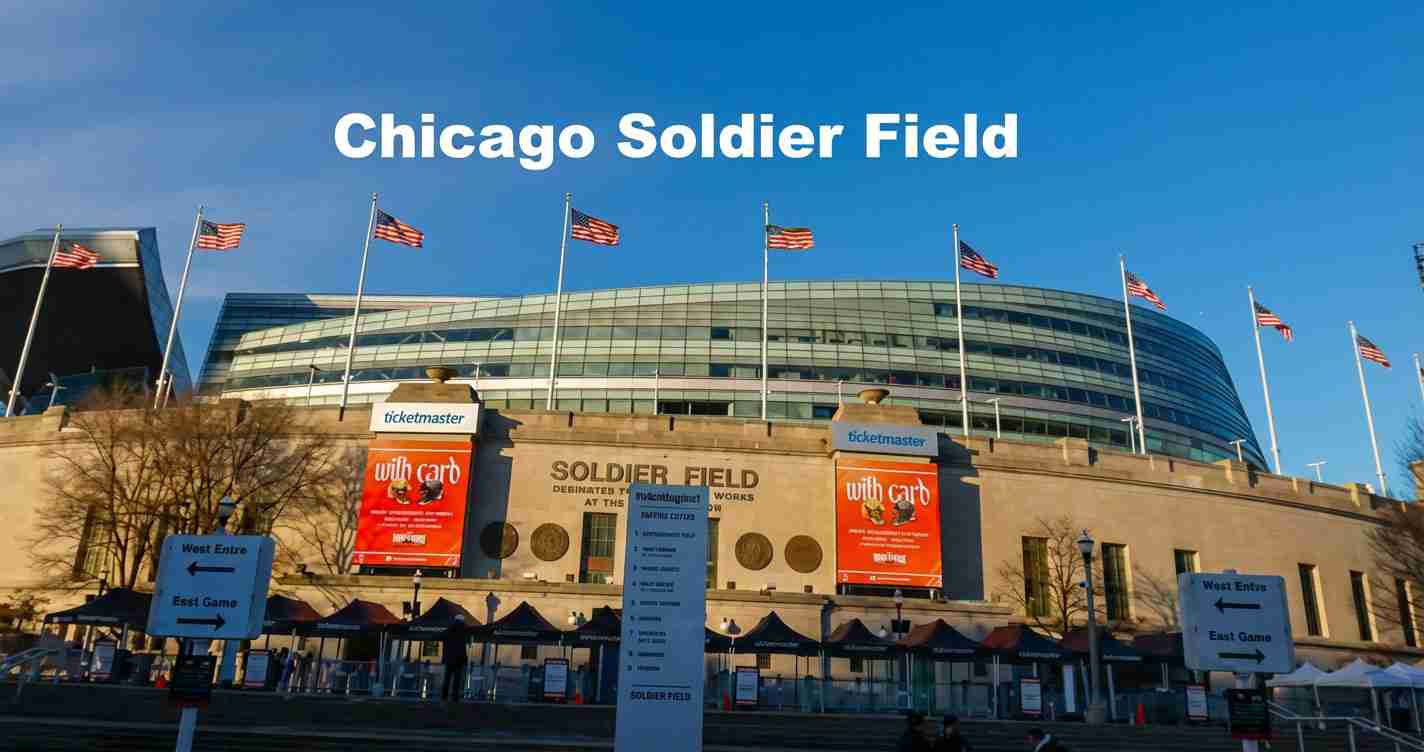
The Wolf Lake site is adjacent to landmarks such as the Hammond Horseshoe Casino and the BP Whiting Refinery. By highway it would be about 25 minutes south of Soldier Field, positioning it as a clear Chicagoland alternative. Local leaders in Hammond and Lake County have welcomed the opportunity, calling it a rare economic prospect — reporting: CBS Chicago.
Illinois response and canceled hearing
In Springfield, a House Revenue and Finance Committee hearing on a Bears-supported bill was abruptly canceled after the team requested a pause following a three‑hour meeting with Gov. J.B. Pritzker’s team. The Illinois bill would have allowed negotiated property tax terms for large developments and was tied to a potential Arlington Heights option. Gov. Pritzker said talks were “very positive” and emphasized that a bill was ready to advance, expressing surprise at the Bears’ public focus on Indiana — reporting: CBS Chicago, Capitol News Illinois.
Politics and criticism
The interstate negotiation has attracted sharp public comments. Former Illinois Gov. Rod Blagojevich criticized Gov. Pritzker, saying the governor was “outplayed and outflanked” as Indiana advanced plans, reflecting the political heat that stadium talks often generate around tax policy, local pride and long‑term planning — source: CBS Chicago.
The Bears’ negotiating history and finances
Investment and public ask: The Bears have said they would invest roughly $2 billion privately toward a new stadium project. In prior Illinois discussions, the team sought about $850 million–$900 million in public funds for infrastructure tied to an Arlington Heights plan — reporting: Capitol News Illinois, ESPN.
Lease and debt complicators: The Bears’ lease at Soldier Field runs through 2033 and the stadium still carries more than $500 million in remaining renovation debt from its 2003 overhaul, factors that complicate any rapid relocation and give Illinois and Chicago leverage — reporting: CBS Chicago, NFL.com.
Historical context: Not the first Indiana flirtation
This is not the first time the Bears considered Indiana. In 1995 the team proposed a $482 million stadium-entertainment complex in Gary called Planet Park, which collapsed after local leaders rejected a 0.5% income tax to back the project — reporting: CBS Chicago.
What remains uncertain
- The Northwest Indiana Stadium Authority still needs full legislative approval and any appropriation steps before it can act — reporting: CBS Chicago, ESPN.
- The Bears must complete site due diligence and negotiate final terms with Indiana and local partners — reporting: Capitol News Illinois, NFL.com.
- Illinois officials say they remain in the running; the public tug‑of‑war could influence timing and terms.
Implications for Fresno, California
Although a Bears move to Hammond would not directly change Fresno’s tax base, it carries broader effects Fresno readers should note:
- Economic impact: Regional broadcast markets, sponsorships and travel patterns could shift, affecting businesses involved in national advertising, licensed merchandise and hospitality.
- Political lessons: Fresno officials and voters may use the episode as a case study on public‑private partnerships and the tradeoffs of tax incentives for large developments.
- Social and cultural effects: Local fandom and travel choices may adjust, but youth and college sports ecosystems in Fresno are unlikely to be materially affected.
- Practical advice: Fresno event planners, travel agents and sports bars should monitor broadcast rights and travel trends if NFL team locations change.
Reporting notes and sources
This article draws on reporting from CBS Chicago, ESPN, Capitol News Illinois, and NFL.com, which covered the Feb. 19, 2026 legislative action and related responses from state leaders and the Bears.
Next steps to watch
Key developments to monitor:
- Full legislative votes and final language for Senate Bill 27 in Indiana.
- The Bears’ completed site due diligence for Hammond’s Wolf Lake option.
- Any renewed hearings, public offers or counterproposals from Illinois related to Arlington Heights.
“This is a framework for talks, not a done deal,” an Indiana official noted, highlighting the many steps that remain before any relocation or stadium construction could proceed.



