Iran Army Chief Warns of Preemptive Strike After Trump’s “Locked and Loaded” Remark, Escalating US‑Israel‑Iran Tensions
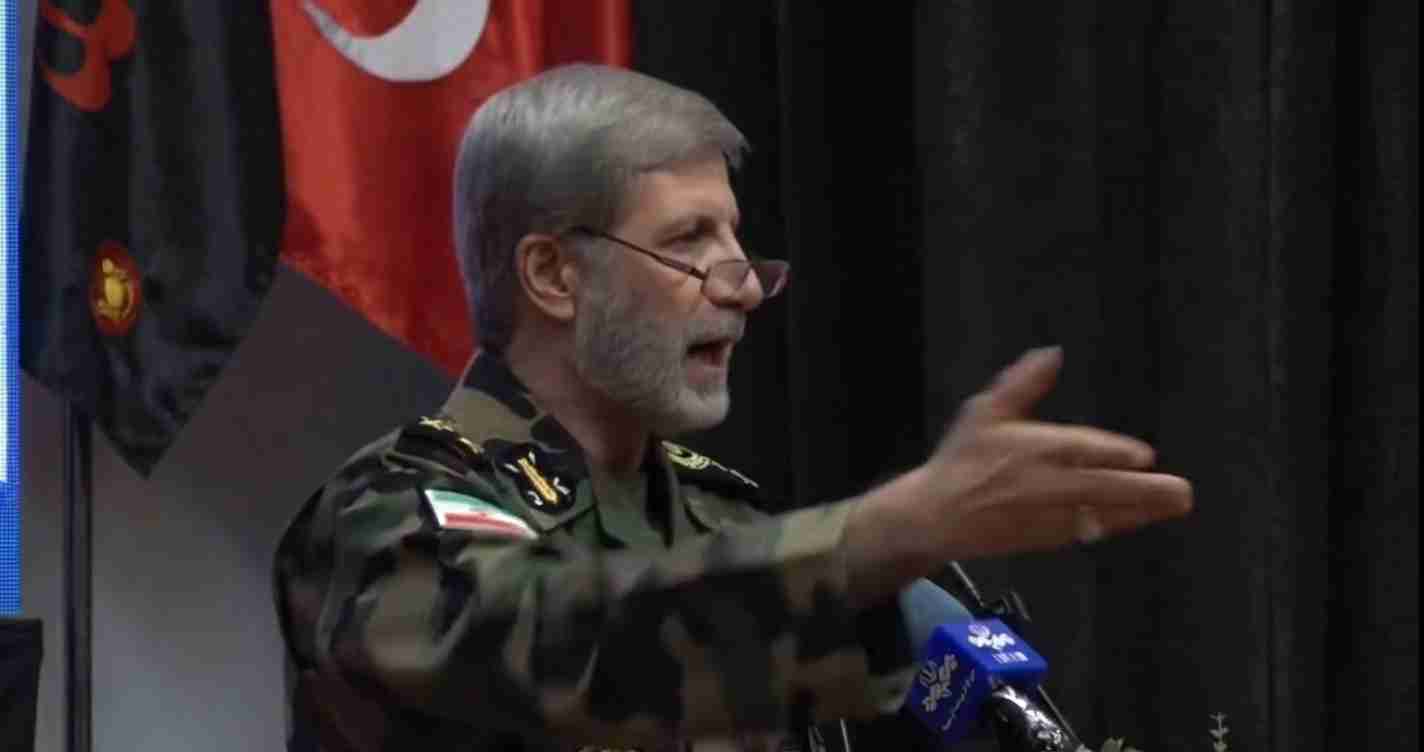
Maj. Gen. Amir Hatami warned Iran could carry out preemptive military action against the United States and Israel if hostile rhetoric continues, framing his threat after President Trump’s “locked and loaded” remark amid protests and mounting domestic unrest.
Key takeaways
- Preemptive threat: Maj. Gen. Amir Hatami said Iran could carry out “pre-emptive military action” if U.S. and Israeli rhetoric and threats continue (Military.com; Euronews; CGTN; PressTV).
- Context: Hatami framed the warning as a response to President Trump saying the U.S. was “locked and loaded” to act if Iran killed peaceful protesters (Military.com; Euronews).
- Preparedness: He said Iran’s armed forces are now “far more prepared” and warned any error by an enemy would be met with “a more decisive response” (PressTV).
Hatami’s warning and what he said
Maj. Gen. Amir Hatami addressed students at a military academy in Tehran and warned that intensifying hostile rhetoric toward Iran “will not go unanswered.” He said Tehran views some public remarks as clear threats and indicated Iran may act before an attack arrives if the rhetoric continues. State media IRNA carried the remarks and international outlets widely reported them (Military.com; Euronews; CGTN).
“Enemy threats will not go unanswered,” Hatami told students, urging readiness and warning that any aggression would be met with decisive reprisals (PressTV).
Trump’s “locked and loaded” remark and Tehran’s reaction
The immediate backdrop was President Trump’s public comment that the U.S. was “locked and loaded” to intervene if Iranian authorities killed peaceful protesters and that the U.S. “will come to their rescue.” Iranian officials sharply condemned the comment as interference in domestic affairs; Tehran portrayed the words as evidence of foreign attempts to inflame unrest (Military.com; Euronews; CGTN).
Military and strategic backdrop
Hatami rose to lead the regular Iranian army (the Artesh) after a June conflict in which Israel killed several of Iran’s senior military commanders and nuclear scientists. That period included reported strikes on nuclear sites such as Natanz and Fordow and actions attributed by some reports to U.S. forces. The shift in leadership and the scale of recent strikes have reshaped how Tehran signals deterrence (Military.com; Euronews).
Dual threat perception: U.S. and Israel
Hatami named the United States and Israel repeatedly as primary adversaries, accusing both of meddling in Iran’s internal affairs and attempting to exploit protests to weaken the regime. He also criticized sanctions as “oppressive” and argued they hurt ordinary Iranians; state coverage framed these claims within a narrative of external powers undermining Iran’s security (PressTV; CGTN).
Domestic unrest and economic pain
Iran has experienced weeks of protests across multiple cities amid a sharp devaluation of the rial and rising food prices. Basic staples — rice, meat, pasta — have become more expensive. Authorities have offered small monthly subsidies to ease costs, while regional reports say dozens have been killed and more than a thousand arrested during demonstrations. Iranian officials acknowledge economic problems but warn some protests have turned into what they call planned “riots” (Euronews; CGTN; The New Region).
Assessing the risk of escalation
Hatami’s public warning is a deterrent message: declaring readiness and threatening preemptive action raises stakes in an already tense region. Analysts caution that strong rhetoric on all sides increases the risk of miscalculation; recent clashes and reported attacks on nuclear facilities illustrate how limited strikes can escalate rapidly (Military.com).
Implications for Fresno, California
Though a distant theater, rising tensions can have tangible local effects in Fresno:
- Economic ties and community concern: Fresno’s sizable Iranian‑American population may see increased anxiety; community groups and faith centers could face higher demand for counseling, legal help, and assistance tracking relatives or remittances.
- Public safety and civic response: Protests, vigils, or counter-protests could occur locally; city officials and law enforcement may need to plan for peaceful demonstrations and community safety.
- Economic ripple effects: Global oil and market reactions can raise transportation and energy costs that indirectly affect Fresno’s agriculture-driven economy.
- Political discourse: International tensions often enter local political debates, affecting campaign messaging and constituent questions about federal policy, humanitarian aid, and immigration.
- Humanitarian and cultural ties: Heightened concern about crackdowns in Iran may prompt relief drives, forums, or advocacy from local Persian cultural organizations.
Sources and reporting
This article draws on reporting that carried Hatami’s remarks and related coverage from multiple outlets:
Reporting note
Statements by Maj. Gen. Amir Hatami were carried by Iranian state media IRNA and reported by international outlets. Assessments of readiness and intent reflect official Iranian claims and should be understood within a broader context of regional hostilities and domestic unrest. Readers in Fresno seeking local resources or community support may contact local community centers, faith groups, or the Fresno County Office of Emergency Services for guidance on events or demonstrations tied to international developments.