Putin Declares Nuclear Triad an “Absolute Priority” as Russia Doubles Down on Arms Amid Ukraine War
Russian President Vladimir Putin on Feb. 23 declared development of Russia’s nuclear triad an “absolute priority”, tying the build-up to national security and the balance of power as Moscow doubles down on arms during the Ukraine war.
- Key takeaways:
- Putin prioritized the nuclear triad—land, sea and air delivery systems—as vital to Russia’s deterrent and second-strike capability.
- His remarks came on Defender of the Fatherland Day and follow Russia’s suspension of the New START Treaty.
- Analysts warn the move raises escalation risks and complicates NATO planning; localities like Fresno may feel indirect economic and social effects.
Putin’s remarks and military priorities
At a Kremlin ceremony on Feb. 23, Putin described developing the nuclear triad — land, sea and air delivery systems — as vital to Russia’s security and said the triad “remains an absolute priority,” arguing it guarantees a credible second‑strike capability and a balance of power in the world. Putin said Russia will make the nuclear triad a top priority and will strengthen all branches of its armed forces (Anadolu Agency).
Putin also stressed bolstering the army and navy, citing lessons from the ongoing Russia‑Ukraine war and “combat experience gained.” He pledged to increase combat readiness, mobility and ability to operate in “the most challenging” conditions and to accelerate development of advanced weapons systems for the armed forces. The Anadolu Agency reported these priorities during the Defender of the Fatherland Day ceremony.
What is the nuclear triad?
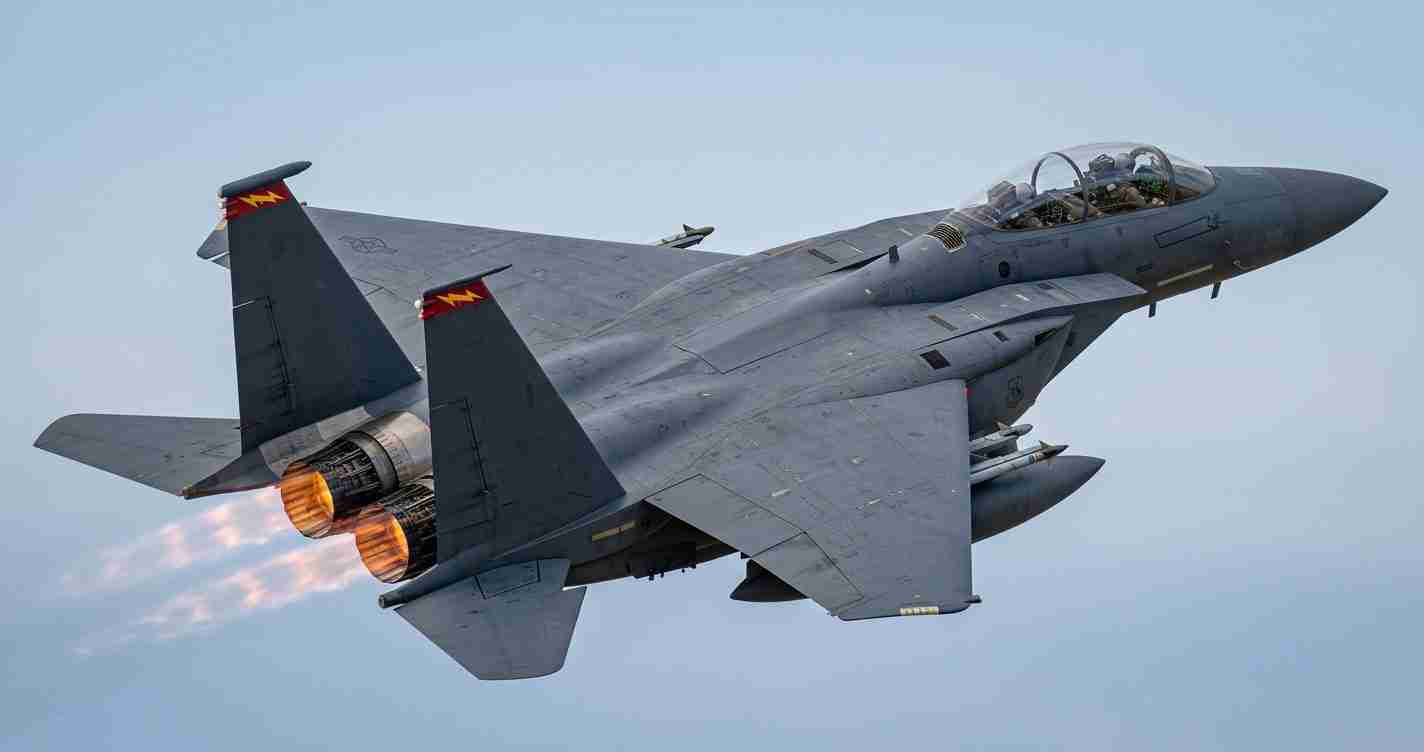
The nuclear triad refers to three delivery modes for nuclear weapons: intercontinental ballistic missiles (ICBMs) on land, submarine‑launched ballistic missiles (SLBMs) at sea, and strategic bomber aircraft in the air. A triad gives multiple means to launch a retaliatory strike if attacked; Putin framed it as central to preventing nuclear coercion and maintaining strategic deterrence. Fox News coverage and Anadolu Agency summarized these points.
Context: New START Treaty suspension and global arms control
Russia suspended participation in the New START Treaty with the United States on Feb. 5, 2023 — eliminating the last major bilateral limit on deployed strategic nuclear warheads and delivery vehicles and removing agreed transparency and verification mechanisms. Reporting has noted Moscow’s statements that it will act responsibly despite the suspension.
Analysts warn the treaty’s suspension increases the risk that both sides will expand or modernize arsenals without confidence‑building measures; it feeds broader nuclear rhetoric and competition since Russia’s full‑scale invasion of Ukraine in 2022. See the Congressional Research Service analysis for background.
Russia’s nuclear force modernization
Russia already possesses one of the world’s largest inventories when retired and reserve weapons are counted — estimates have placed the total near 12,000 warheads across deployed, reserve and retired stockpiles, with most deployed strategic warheads on ICBMs and SLBMs. The CRS report outlines these figures: Congressional Research Service.
Modernization efforts include new Borey‑A class ballistic missile submarines and Yasen‑M attack submarines, investments in hypersonic and advanced missile systems, and displays of new units in public ceremonies. Analysts and official displays detail these upgrades; see defense analysis and recent footage: recent display (YouTube), analysis clip (YouTube), and a Spanish defense report at Defensa.gob.es.
Officials and analysts have discussed possible deployment of tactical or non‑strategic nuclear weapons closer to NATO borders, a move that could heighten miscalculation risks in an already tense regional setting. Visual material and official commentary are available on the Kremlin page: Kremlin statement.
Zelenskyy: “Putin will not stop at Ukraine”
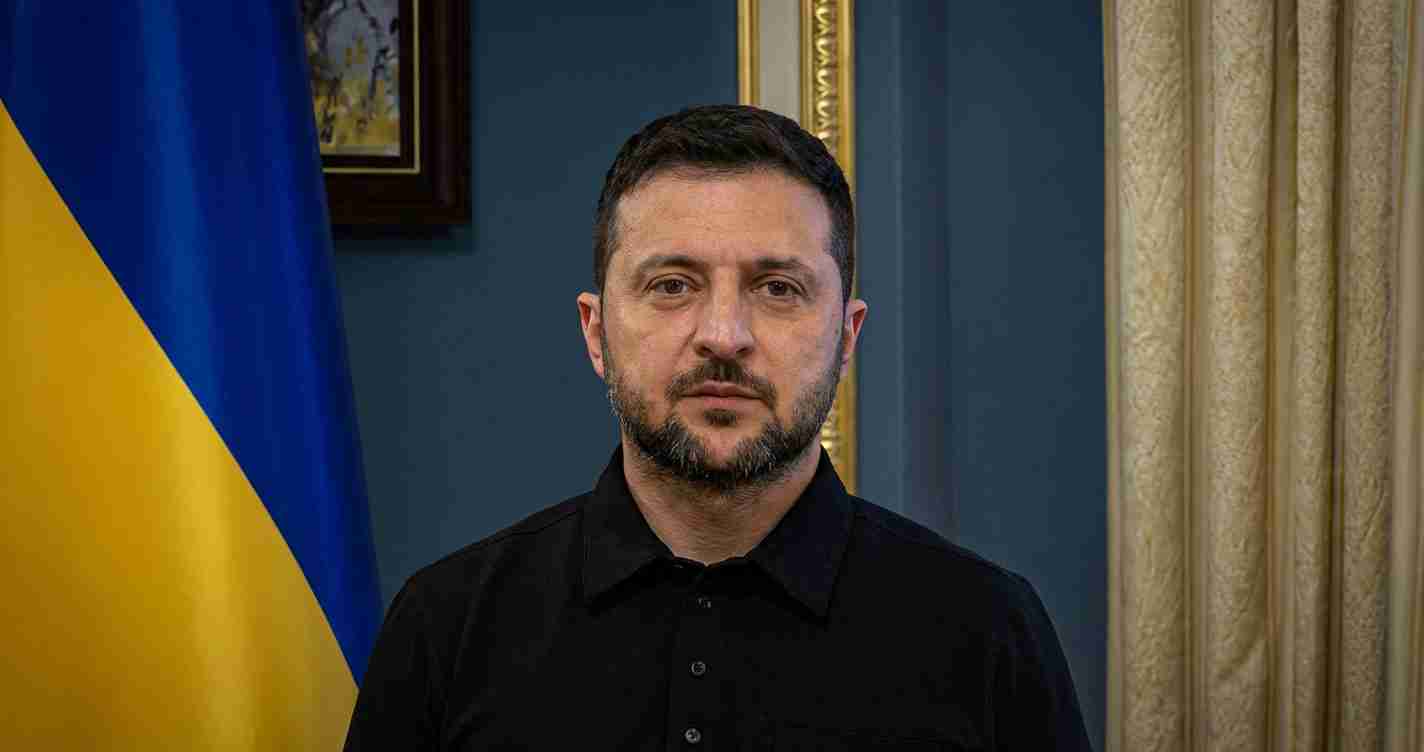
“We do not know, but that he would want to continue the war is a fact,” Ukrainian President Volodymyr Zelenskyy told the BBC in comments cited by coverage of Putin’s remarks, warning that Russia might seek further expansion if not stopped.
Zelenskyy argued that failing to halt the invasion would allow Moscow to rebuild military strength and attempt further aggression; his remarks were summarized in reporting on Putin’s Defender of the Fatherland Day speech. Fox News covered the exchange.
Analyst perspectives on escalation risk
Security analysts interpret Putin’s emphasis on the triad as both deterrence and escalation signaling — a message meant to deter Western intervention and preserve leverage in any future talks. Some observers emphasize the practical side: modernization is underway, and combat experience from Ukraine will shape procurement, training and doctrine.
The mix of conventional and nuclear upgrades complicates NATO planning and increases the premium on clear communication to avoid accidents or misreads. Analysts and briefings expand on these themes in official commentary and public videos: video analysis and Kremlin materials.
Implications for Fresno, California
While direct local impact is unlikely, Fresno could feel indirect economic, political and social effects if global tensions prompt market moves, energy shocks, or shifts in federal priorities.
- Economic impact:
- Crop prices and energy: Global instability can raise fuel and shipping costs, increase fertilizer and transport prices, squeeze growers’ margins and raise grocery costs.
- Markets and pensions: Financial volatility tied to geopolitical risk can affect retirement accounts and local investments.
- Political consequences:
- Local politics and federal priorities: Renewed defense focus can shift federal funding and attention, pressing Fresno representatives to weigh in.
- Community advocacy: Civic groups may organize town halls or rallies for humanitarian aid or refugee assistance.
- Social effects:
- Local Ukrainian and Russian communities: Anxiety may rise among families with ties to the region; schools, faith groups and nonprofits could see increased demand.
- Emergency preparedness and public concern: Officials may need to address questions about real risks, preparedness steps and misinformation.
- Cultural relevance & practical applications:
- Media, libraries and universities may host briefings on nuclear deterrence and treaty suspensions; Fresno State could see interest in public affairs topics.
- The National Guard and local readiness discussions may increase; nonprofits may mobilize to support displaced Ukrainians or raise funds for aid.
Reporting and sources
This article draws on official remarks and multiple reports. Preserved sources and reporting include:
- Fox News report on Putin’s remarks
- Anadolu Agency coverage
- Congressional Research Service analysis (PDF)
- Defensa.gob.es report (Spanish defense analysis)
- Kremlin statement and visuals
- YouTube analysis clip
- YouTube display footage
For Fresno residents: local officials and trusted national sources should be consulted for updates on any changes that might affect emergency planning, trade or community services.