
Two Republicans Join Democrats in Trump War Powers Vote as Senate Spikes Bid to Block Drug Vessel Strikes
On October 8, 2025, the Senate defeated a Democratic War Powers resolution aimed at requiring congressional approval before President Trump orders strikes on suspected drug-smuggling vessels — the measure failed 51–48 amid fierce debate over executive authority.
- Vote outcome: The resolution failed, 48–51, with most Republicans opposing it and two GOP crossovers supporting it. (Sources: WTOP, ClickOrlando, ABC News).
- Cross-party votes: Sen. Rand Paul (R-Ky.) and Sen. Lisa Murkowski (R-Alaska) joined Democrats; Sen. John Fetterman (D-Pa.) was the lone Democrat to vote no. (Sources: WTOP, ClickOrlando, ABC News).
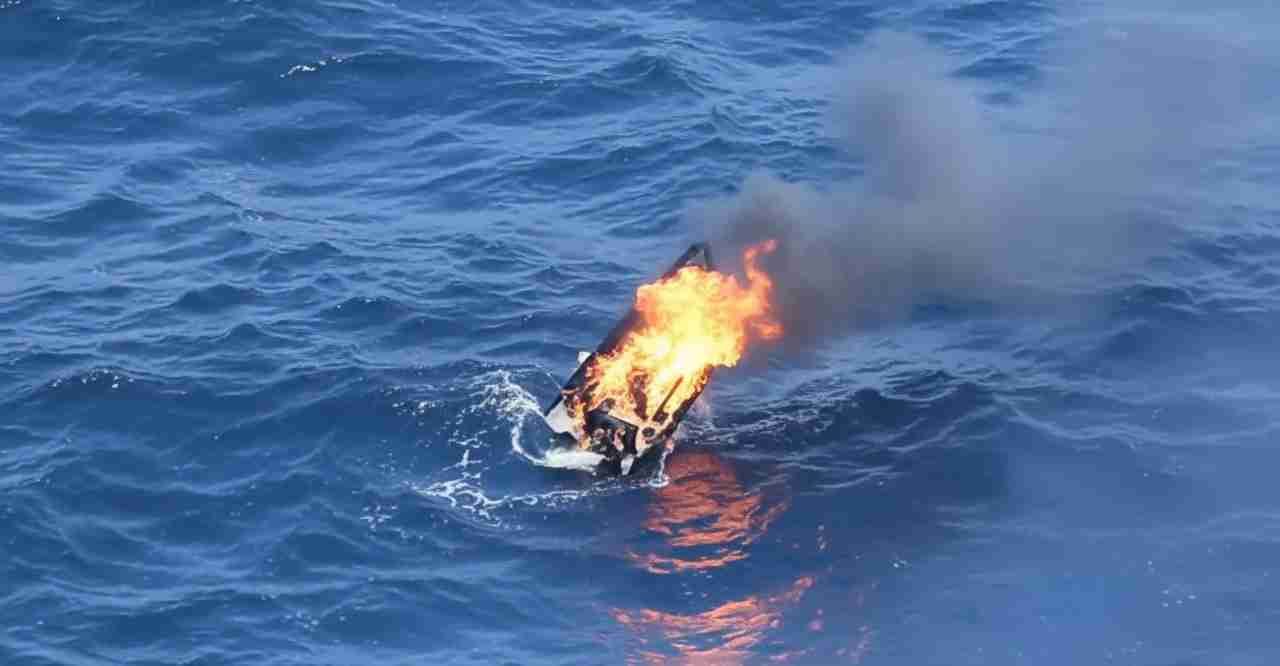
- Administration actions: The White House says President Trump ordered multiple strikes near Venezuela that killed at least 21 people and destroyed four vessels while disrupting narcotics shipments. (Sources: WTOP, ClickOnDetroit, ABC News).
What the vote was about
Democrats, led by Sen. Tim Kaine (D-Va.) and Sen. Adam Schiff (D-Calif.), invoked the War Powers Act to require the president to seek congressional authorization before further strikes on foreign drug traffickers at sea. They argued these strikes are military actions that implicate Congress’s constitutional power to declare war and therefore cannot be left solely to the White House. “It sends a message when a significant number of legislators say, ‘Hey, this is a bad idea,’” Kaine said. (Sources: WTOP, ABC News).
Republican arguments and concerns
Most Senate Republicans opposed the resolution, saying they support stopping narcotics but fear the measure could constrain commanders and the president when confronting imminent threats at sea. Several GOP senators also raised concerns about a lack of detail from the administration regarding target identification and civilian-protection measures. Secretary of State Marco Rubio privately urged senators to oppose the resolution, arguing the commander in chief must be able to act against imminent dangers. (Source: Washington Examiner).
Background: the strikes and the administration’s case
The White House says President Trump ordered at least four strikes on vessels near Venezuela, describing the targets as armed narcoterrorists posing an immediate danger and moving large quantities of illegal drugs toward the United States. Officials say the strikes interdicted drugs and disrupted trafficking networks, saving lives. The administration’s narrative framed the actions as defensive and necessary to protect U.S. security. (Sources: WTOP, ClickOnDetroit, ABC News).
Critics and legal questions
Democrats and legal scholars warn that labeling drug traffickers as military targets could expand presidential war powers and blur the distinction between military action and law enforcement. Critics say firing on vessels without clear evidence of an imminent threat risks violating U.S. law and international norms. Sen. Rand Paul, who voted with Democrats, highlighted transparency concerns and the risk of hitting vessels that may not have been carrying drugs:
“There’s a one-in-four chance, statistically speaking, that one of these boats may not have had any drugs on it. We will never know because they were blown to smithereens.”
(Source: Washington Examiner).
How senators voted
The measure split largely along party lines: almost all Democrats supported it as a necessary check on executive power; most Republicans opposed it, citing the need to confront narcotics threats. The two GOP crossovers — Sen. Rand Paul and Sen. Lisa Murkowski — voted with Democrats. The final tally was 48 in favor and 51 opposed, so the resolution failed. (Sources: WTOP, ClickOrlando, ABC News).
Legal and international stakes
Experts warn that permitting the president to treat drug traffickers as military targets could create a precedent for future administrations to authorize lethal force in contexts normally handled by law enforcement. There are also concerns about international reactions — particularly from Venezuela, where some strikes occurred — and about compliance with international humanitarian and maritime law. Such actions could heighten tensions and complicate diplomatic relations. (Sources: WTOP, ABC News).
Transparency and oversight issues
Several senators pressed for more information from the administration on target identification, the intelligence behind each strike, and steps to avoid civilian casualties. Some Republicans expressed unease about the lack of public detail even as they voted against the resolution — a split that signals continued oversight debates beyond this single vote. (Sources: WTOP, ClickOnDetroit).
Political reactions and messaging
Supporters of the president framed the vote as a public-safety issue. Secretary of State Marco Rubio argued the president must act against imminent threats and urged opposition to the resolution: “These drug trafficking organizations are a direct threat to the safety and security of the United States.” Opponents warned about expanding unchecked executive power. (Source: Washington Examiner).
Implications for Fresno, California
Local impacts could be concrete: Fresno County and the Central Valley face substantial drug and opioid challenges. If maritime strikes reduce the supply reaching U.S. shores, local law enforcement and public-health officials may see shifts in street-level markets, drug types, prices, and enforcement costs. Conversely, traffickers could change routes, methods, or push shipments inland — complicating local responses.
Practical steps for Fresno leaders include:
- Coordinate with county health and law enforcement to monitor drug trends and adjust response strategies;
- Increase public education on overdose prevention and expand treatment access;
- Pursue federal funding and clarify information-sharing channels with federal partners.
Local officials may face questions about whether Washington is doing enough to curb drug flows and whether congressional checks on executive action are necessary to ensure accountability and transparency.
Sources and reporting notes
This report draws on wire and regional reporting, including WTOP, ClickOrlando, ClickOnDetroit, ABC News and the Washington Examiner. Reports on the vote and the administration’s strikes are available at the linked sources above.



