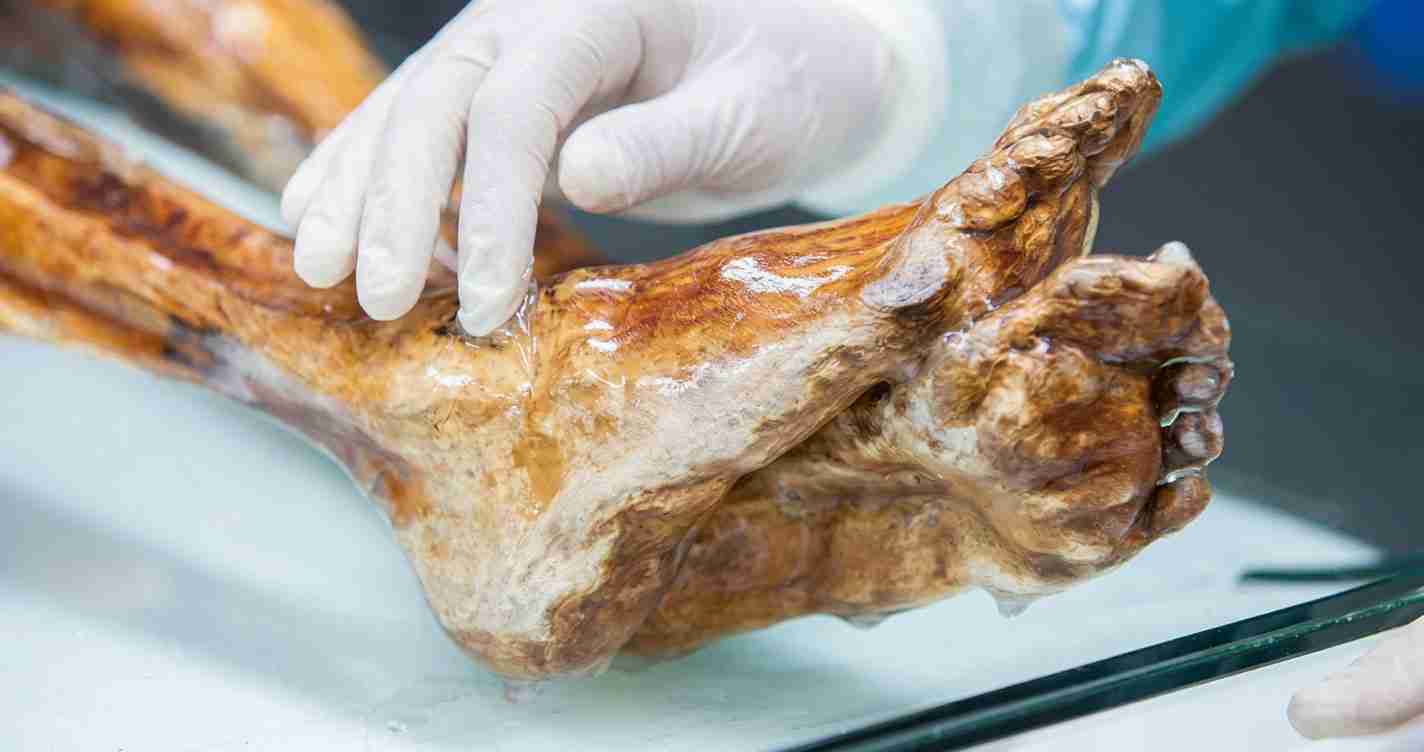
BOLZANO, ITALY, June 23 (DC Times Online) — Researchers at Eurac Research say they identified four cold-adapted yeast species on Ötzi the Iceman’s remains, with traces found in skin samples, meltwater inside the mummy and stomach contents, in a study published in the peer-reviewed journal Microbiome.
The authors said they reconstructed the yeasts’ genetics and found degraded and modern DNA fragments, leading them to describe the mummy’s body as a “dynamic biological interface” where ancient glacier-derived microbes and modern contaminants coexist under museum conditions. The study does not prove the microbes were alive when the Copper Age man died.
The researchers also said they grew several microbe species and produced four viable strains, three of which could use phenol, a compound used to prevent fungal growth, as a food source. The study said some microbes may have been introduced during discovery and preservation, while other evidence was consistent with repeated thawing and refreezing over time.
Ötzi was found in 1991 in the Alps near the Austria-Italy border and dates to around 3300 BC. The South Tyrol Museum of Archaeology in Bolzano, Italy, keeps the mummy in a sub-zero vault and says analyses indicate he was murdered by an arrow that severed the subclavian artery.