
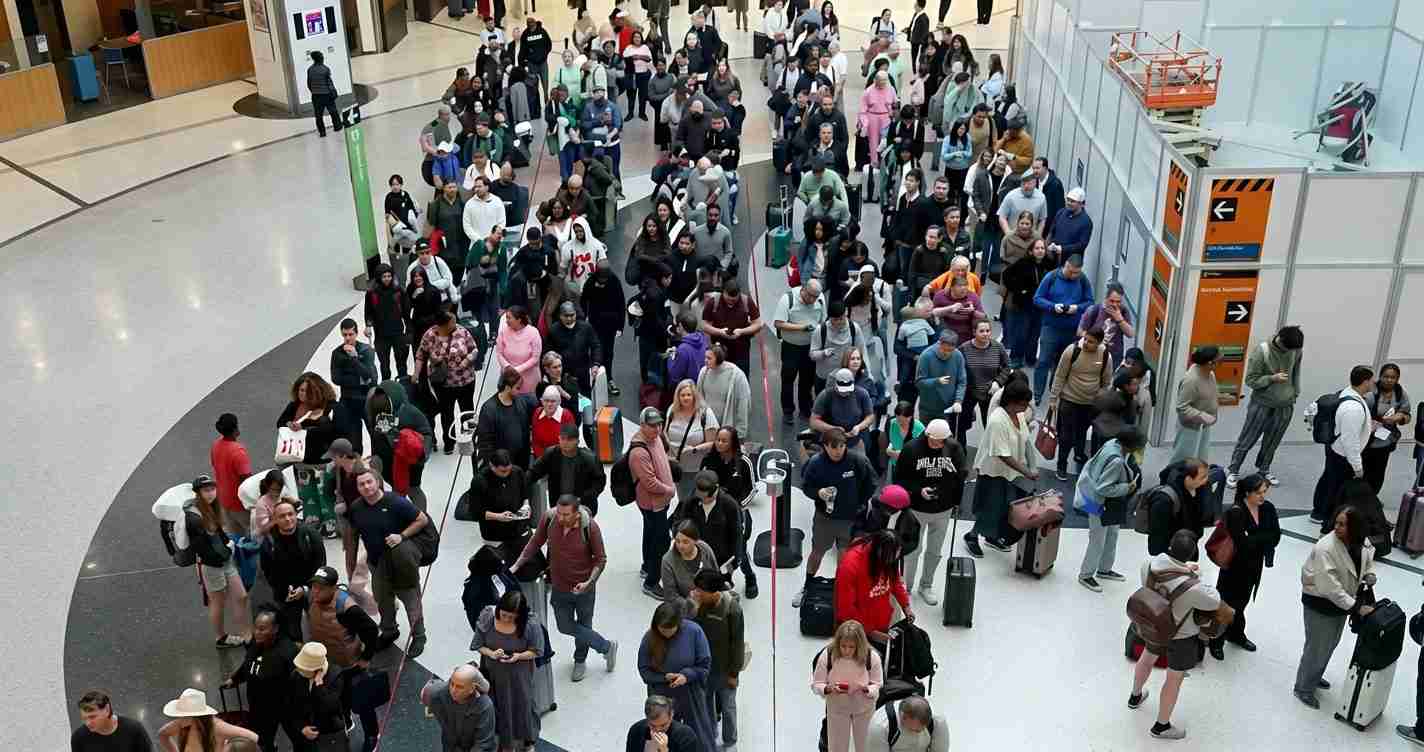
Trump Orders ICE to Airports to Aid TSA as DHS Shutdown Drags On, Raising Airport Security Concerns
President Donald Trump announced March 22, 2026, that ICE agents will deploy to U.S. airports beginning March 23 to assist TSA amid a partial DHS shutdown — a move that has sparked debate over airport security and immigration enforcement.
- Administration move: ICE agents ordered to airports to assist TSA and conduct immigration enforcement, per the president’s March 22 post.
- Operational uncertainty: Numbers, specific airports, duties and mask policies remain unconfirmed publicly.
- Training concerns: TSA screening (X‑ray/explosive detection) takes months of training; ICE is trained for immigration enforcement, not routine passenger screening.
- Local impact: Fresno residents and travelers could face longer waits, fear among immigrant communities, and economic effects for tourism and business travel.
What the president announced and why
On March 22, President Trump posted that ICE agents would begin helping TSA on Monday, blaming “Radical Left Democrats” for withholding DHS funding and saying agents would assist “our wonderful TSA Agents” while also carrying out immigration enforcement, including detaining undocumented travelers. (Source: Axios.)
DHS funding context and political backdrop
The partial DHS shutdown began in mid‑February after lawmakers failed to reach agreement on appropriations. Democrats have repeatedly blocked funding bills while seeking policy changes for ICE and Customs and Border Protection (CBP) following the January 2026 deaths of two U.S. citizens during immigration encounters in Minneapolis. Republicans have pushed to fund ICE while resisting demands tied to other DHS agencies, producing repeated funding standoffs. (Sources: Axios; OPB.)
How officials describe the plan
Tom Homan, the White House border czar, said he is coordinating with acting ICE Administrator Todd Lyons to assign non‑screening tasks to ICE so TSA officers can focus on screening. Homan told CNN’s State of the Union,
“We’re simply there to help TSA do their job in areas that don’t need their specialized expertise.”
Homan suggested duties such as guarding exits and securing terminal entries, and stressed ICE would not perform specialized screening like X‑ray operation because agents are not trained for that work. (Source: Axios.)
Training and technical disagreement
Transportation Secretary Sean Duffy signaled ICE might operate X‑ray machines “as fellow DHS employees,” a view disputed by Homan and warned against by former TSA leaders. Homan and former officials say TSA screening requires four to six months of training for X‑ray and explosive detection work; assigning untrained officers to screening roles could create safety risks. (Source: OPB.)
Operational questions and limits
Key operational details remain unclear: how many ICE agents will be sent, which airports will receive them, specific duties, and any changes to mask or encounter policies. The White House has directed many questions back to the president’s post. Coordination, communication and morale issues were highlighted as practical concerns if ICE fills non‑screening roles such as ID checks, monitoring exits, or guarding secure areas. (Sources: Axios; OPB.)
Why the administration says it’s needed
TSA has experienced hundreds of resignations and many front‑line workers have gone weeks without pay because the shutdown left agencies without appropriations. Reports cite between 366 and more than 400 TSA resignations amid heightened spring travel demand, producing longer lines and staffing gaps. The administration argues deploying ICE resources can help reduce delays while funding talks continue. (Sources: Axios; OPB.)
Reactions from unions, lawmakers and security experts
The plan drew swift criticism. The American Federation of Government Employees (AFGE), representing many TSA workers, rejected the proposal. AFGE President Everett Kelley warned placing untrained personnel in security roles “creates” security gaps. House Minority Leader Hakeem Jeffries and other Democrats argued that ICE at airports could intimidate travelers and lead to unlawful detentions. Senator Patty Murray raised concerns that passengers could face harassment or worse. (Source: Axios.)
Security experts, including former TSA leaders, cautioned that mixing enforcement and screening roles risks confusion, missed threats, and confrontations with travelers. John Pistole, former TSA administrator, warned of “significant security risks” and damage to morale among unpaid TSA staff. (Source: Axios.)
Reporting and deployment status
As of the morning of March 23, there were no independent confirmations of widespread ICE deployments to airports. Broadcast coverage on March 23 repeated the president’s announcement and documented ongoing TSA shortages but did not show mass ICE movements at major hubs. (Video sources: CBS; KTLA; NBCLA.)
One legal and budget note
ICE retained full funding under a Republican funding bill passed last summer, while TSA is operating without full appropriations during the shutdown. That funding difference is cited by the administration as a reason ICE can be sent to help while some other agencies cannot pay front‑line workers. (Source: OPB.)
Implications for Fresno, California
Economic and travel impacts
Fresno Yosemite International Airport (FAT) serves Central Valley travelers for business, family visits and tourism to nearby national parks. Longer lines and disrupted schedules at major hubs or at Fresno could lead to missed connections, delayed business travel, and lower passenger confidence during a busy spring travel season. Local hotels, event planners and tourism operators to Yosemite and Sequoia may face cancellations and revenue loss if delays worsen.
Security and community concerns
Many Fresno residents are from immigrant families and may be worried about ICE presence at airports. Community groups and immigrant advocates in the Central Valley have historically mobilized around federal immigration actions. An ICE presence in terminals could deter lawful travel by immigrants, create fear among families, and prompt protests at the airport. Local law enforcement and the airport authority will likely need to plan for both traveler concerns and public demonstrations.
Political and local governance effects
Moderate Fresno voters and elected officials may face pressure from both sides: calls to protect public safety and restore efficient travel, and appeals to safeguard civil liberties and prevent entanglement of immigration enforcement with routine travel screening. City and county leaders may be asked to weigh in on how airport security should be managed locally while the federal policy standoff continues.
Practical effects on daily travelers
Fresno travelers should expect possible longer waits, shifting security procedures, and increased visible federal officers in terminals. Travelers should arrive earlier than usual, check airline updates, and be prepared to show identification. Those with immigration concerns or mixed‑status families may wish to seek guidance from legal aid groups or community organizations before flying.
What local leaders can do
- Clarify roles: Airport officials should publicly clarify who will perform passenger screening versus enforcement to avoid confusion.
- Press for transparency: Local elected officials can seek federal details on agent numbers, duties and policies protecting travelers’ rights.
- Community preparedness: Groups can inform residents about rights and coordinate with legal services if enforcement actions occur.
Reporting notes and sources
This article is based on reporting from Axios and Oregon Public Broadcasting (OPB) on March 22–23, 2026, and includes broadcast coverage compiled on March 23. Key sources include the Axios story “Trump says ICE agents will go to airports” (Axios) and OPB’s “ICE officers set to deploy to airports as delays mount” (OPB), plus broadcast reports documenting ongoing shortages: CBS; KTLA; NBCLA.
The deployment plan centers on the debate: Trump ICE Agents Airports, DHS Shutdown TSA Shortages, and Airport Security Concerns — as federal leaders and local communities weigh the safety, legal and practical consequences of mixing immigration enforcement with day‑to‑day airport security operations.



