9th Circuit Says Trump Can Federalize Oregon Guard for Portland Deployment
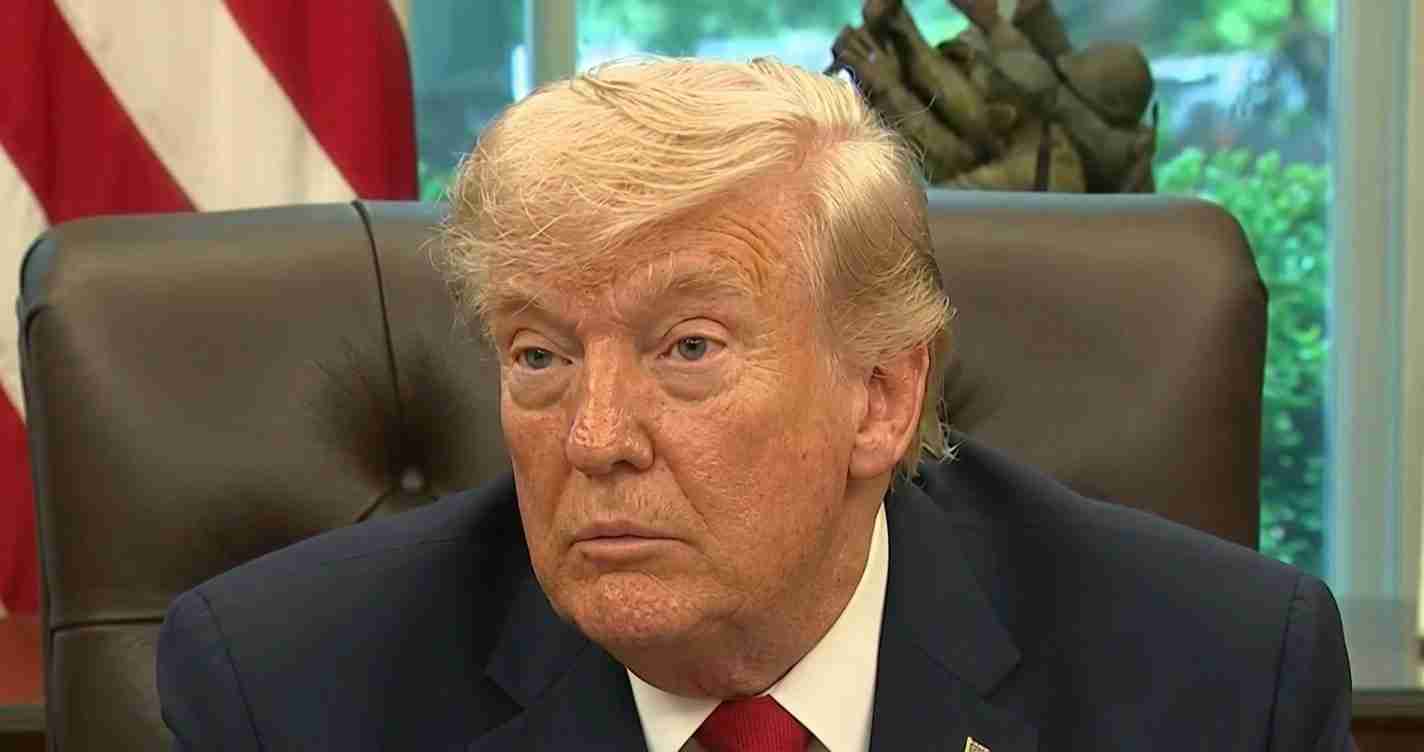
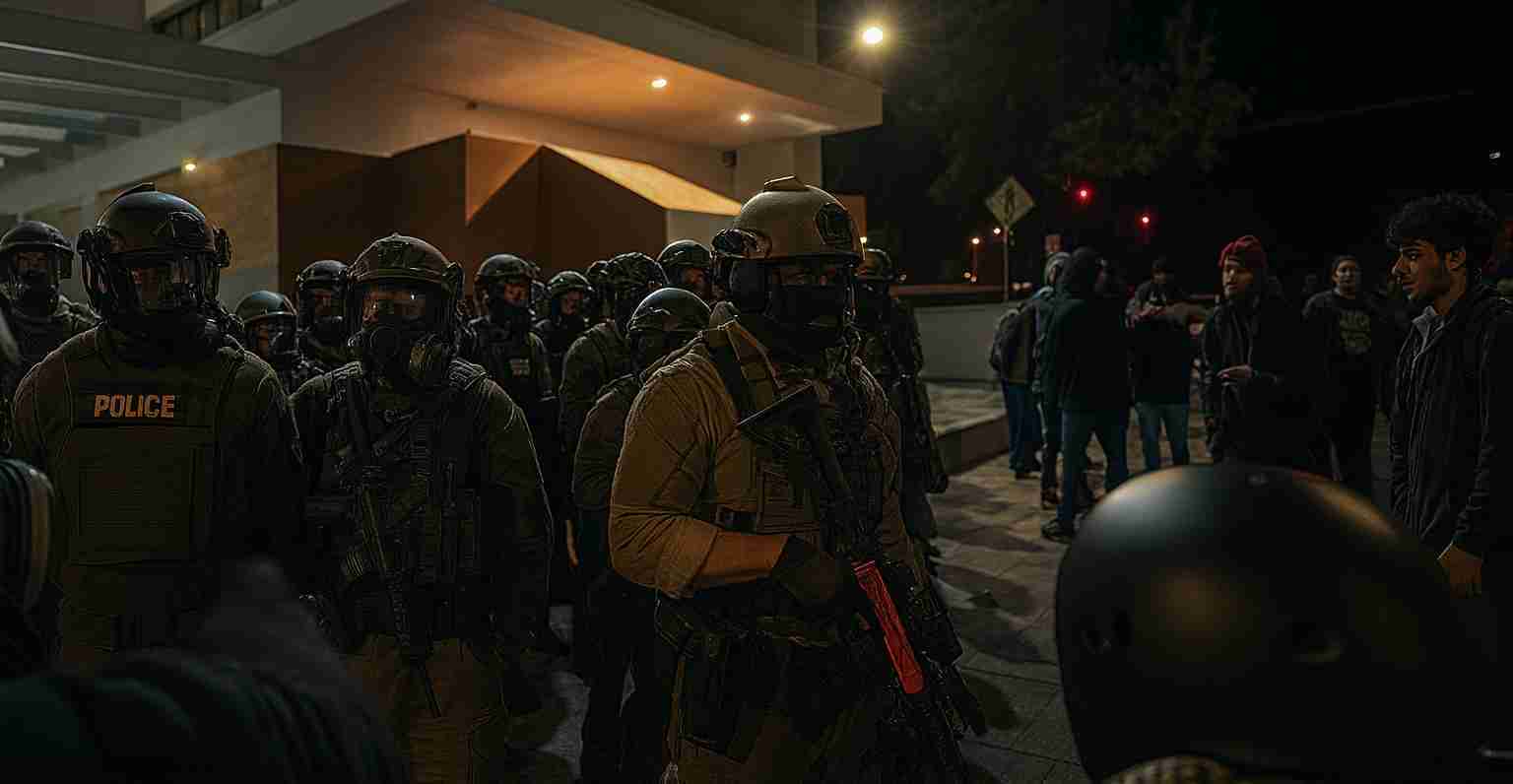
A divided 9th Circuit panel ruled President Trump may federalize and deploy Oregon National Guard members to Portland, overturning a lower court order and granting the President broad discretion to call up troops to protect federal facilities.
- Panel split: A 2-1 decision by a three-judge panel with two Trump appointees and one Clinton appointee.
- Legal reach: The court held statutes permit the President to consider a wide range of “facts and circumstances” when federalizing Guard units.
- Immediate effect: The 9th Circuit lifted a lower-court ban that had blocked deployment of Oregon National Guard members to Portland.
- Limits remain: The ruling is narrow — it applies to Oregon’s Guard and does not resolve litigation over Guard forces from other states.
Panel composition and how the court reached its view
A three-judge panel — Judges Ryan Nelson and Bridget Bade (both Trump appointees) and Susan Graber (a Clinton appointee) — issued a divided decision. The majority concluded the governing statutes allow the President broad discretion to assess the “facts and circumstances” supporting federalization.
The court said the law “does not limit the facts and circumstances that the President may consider” when deciding to deploy National Guard troops.
The opinion cited the administration’s September 28, 2025 memorandum and explained the President may “identify and weigh the relevant facts” when calling up Guard troops for federal duty.
Legal background explained
Federal law permits the President to federalize the National Guard in limited circumstances — for example, to repel invasion, suppress insurrection, or protect federal property and functions. The central legal question was the scope of judicial review when the President asserts those conditions exist. The 9th Circuit majority adopted a broad reading of presidential authority, emphasizing deference to executive judgment.
Lower court proceedings and the temporary restraining order
U.S. District Judge Karin Immergut (a Trump appointee) had previously issued a temporary restraining order blocking the federalization and deployment of Oregon National Guard members. Judge Immergut found the administration’s justification “simply untethered to the facts,” concluding the government had not shown clear facts meeting the legal threshold for federalization.
What the 9th Circuit ruling does now
The 9th Circuit dissolved the lower-court restriction as applied to Oregon’s Guard. Practically, the decision means the Oregon governor’s objections cannot prevent the administration from federalizing and using Oregon Guard troops in Portland under the terms of the President’s memorandum. The appeals court emphasized judicial deference to presidential judgment regarding whether statutory conditions for federal deployment exist.
Scope and limits: what the ruling does not do
The decision is narrowly tailored to Oregon’s National Guard and the specific memorandum at issue. Other courts have issued orders blocking the use of Guard troops from other states, and separate litigation remains pending. Civil liberties groups warned the opinion leaves unresolved legal limits on wider Guard deployments.
Local and national reactions
Oregon officials objected strongly, arguing federalizing state troops over local protests and policing concerns erodes local control. Civil liberties groups criticized the ruling as expanding federal military-style intervention in domestic disputes. The federal government framed the move as necessary to protect federal immigration facilities and personnel in Portland.
Parallel cases and what to watch next
Related lawsuits are pending in other circuits and districts, including cases in California and Illinois. The current split among courts raises the possibility the issue could return to the Supreme Court if conflicts persist.
Reporting note
The appeals decision spans 36 pages and implements the administration’s September 28, 2025 memorandum ordering the Oregon Guard deployment.
Implications for Fresno, California
Economic impact
Fresno could see indirect economic effects if the federal government seeks Guard troops from California for federal missions. If California Guard units are federalized for out-of-state operations, fewer units may be available for state emergencies — potentially raising local costs for wildfire, flood, and disaster responses.
Political consequences
Local and county leaders in Fresno may face pressure if a precedent expands presidential authority, forcing difficult choices between cooperating with federal priorities and protecting state control. That tension could influence local political races and relationships across city, county, and state offices.
Social effects
Fresno’s diverse communities — including large immigrant populations — may respond strongly if Guard troops are used to support immigration enforcement or manage protests. Community concerns about civil rights and policing could spark demonstrations or legal challenges if similar federal actions occur in California.
Cultural relevance
With an agricultural workforce and immigrant communities, Fresno could experience heightened tensions if National Guard deployments are tied to protecting immigration facilities. Cultural and community leaders may engage more actively around perceived federal interventions.
Practical applications for daily life
For most Fresno residents, nothing changes immediately. California Guard movements remain governed by separate orders and state decisions. Nevertheless, emergency managers and police should monitor litigation and plan for contingencies if Guard support becomes less available.
What Fresno officials can do now
- Track litigation: Stay informed about related rulings in California and other districts that could affect Guard availability.
- Coordinate contingency planning: Assess alternative resources for wildfire season and other risks in case Guard support is limited.
- Engage community leaders: Communicate with immigrant and civic groups to manage concerns about federal actions and civil liberties.
Sources and further reading
- 9th Circuit opinion (full text)
- Los Angeles Times reporting
- CBS News coverage
- Oregon Public Broadcasting
- ACLU statement
- Video report
Reporting from Times Media Service