Trump team readies Rosneft, Lukoil sanctions to curb war funding, ties moves to push for Ukraine ceasefire
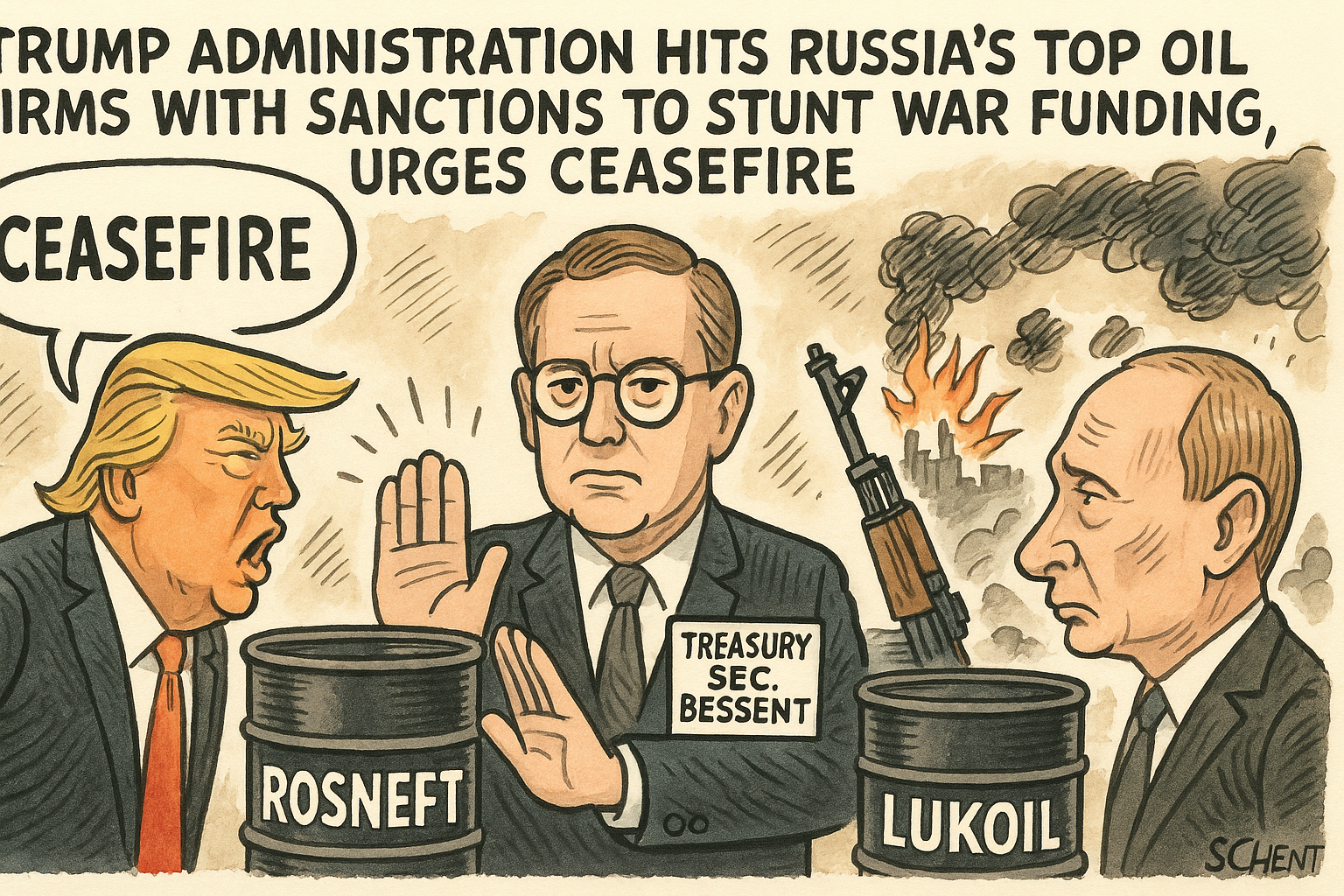
The Trump administration is reportedly preparing sanctions targeting Rosneft and Lukoil to curb Moscow’s war funding and press for a ceasefire in Ukraine, weighing tougher secondary penalties on buyers while keeping diplomatic incentives on the table.
Key takeaways
- Incoming team is weighing sanctions on Rosneft and Lukoil and steps to cut Russia’s oil revenue, with reporting summarized by multiple outlets including Charter97, Rigzone, and Euromaidan Press.
- Policy options include expanding secondary sanctions on third-country buyers or offering relief if diplomacy yields progress.
- No authoritative public confirmation exists that Treasury Secretary-designate Scott Bessent has frozen Rosneft or Lukoil assets; plans remain in development.
Main content
What the reports say
Several outlets summarized reporting that the Trump transition team is crafting an oil sanctions plan aimed at squeezing Russian state and private oil earnings to limit funding for the war in Ukraine. The summaries cite sources familiar with deliberations and describe options under consideration rather than final decisions (see reporting summarized by Charter97, Rigzone, and Euromaidan Press).
Policy options being considered
Options described in reporting include:
- Tougher sanctions: Broaden secondary sanctions to target buyers, shippers and insurers in Europe and Asia — potentially penalizing firms in major markets that continue to move significant volumes of Russian crude. Some reports mention targeting shipping routes or tankers at chokepoints, though those moves would be complex and politically sensitive.
- Goodwill gestures: Offer incentives such as general licenses, eased price caps or other relief if diplomacy shows progress to encourage a ceasefire or negotiated deal.
Uncertainty around asset freezes and Bessent’s role
Reporting names Treasury and incoming administration officials as central to potential action, but no verified public order has been reported that Treasury Secretary-designate Scott Bessent has instructed a freeze of Rosneft or Lukoil assets. Such actions would be significant and, according to current reports, have not been publicly confirmed (see reporting cited above and Transport Topics).
Framing the strategy: pressure without shocks
Reporters note the team is debating how to squeeze Russia’s war chest while avoiding a sharp global fuel shock. Analysts observed that recent Western measures have already tightened restrictions on Russian energy exports; further steps could raise oil prices. The incoming team reportedly wants to avoid policies that sharply increase costs for U.S. consumers and allies, while preserving leverage for a Ukraine ceasefire.
Where the plan fits with other U.S. energy policy
The oil-linked pressure approach is described as part of a broader posture that could also include measures aimed at Iran and Venezuela to limit revenue for regimes the U.S. deems hostile. How far the White House will go remains a decision for the president and his advisers (reporting summarized by Rigzone and Euromaidan Press).
Timing and congressional checks
Any effort to roll back or soften sanctions could face notification rules and congressional scrutiny that slow abrupt reversals. A near-term policy test is the mid-March expiration of a general license that allows wind-down purchases of Russian energy; how the administration handles that license will be an early sign of direction (see Transport Topics).
How markets have reacted so far
Since late 2024, Western restrictions and market shifts have lifted prices. Reporters note that tougher measures could push Brent crude higher by several dollars a barrel, with ripple effects on fuel, shipping and food costs worldwide.
What remains unknown
- Whether direct sanctions or asset freezes on Rosneft, Lukoil or other Russian firms will be imposed.
- The scope of any secondary sanctions into Europe or Asia, including possible targeting of major buyers in China, India or Middle East shipping hubs.
- How Washington will balance economic pain with diplomatic incentives if peace talks advance.
Implications for Fresno, California
Economic impact: Fresno families and businesses could feel effects if oil prices rise; higher crude often means higher gasoline and diesel prices, increasing costs for farm equipment, trucking and food transport.
Jobs and business: Rising fuel and shipping costs could squeeze margins for local trucking firms, farm contractors and small distributors.
Political consequences: Moves that raise fuel costs may become a local political issue; San Joaquin Valley lawmakers may seek protections or relief for farmers and small businesses.
Social effects: Higher food and fuel prices disproportionately affect lower-income households; community groups and nonprofits could see increased demand for assistance.
Practical advice for residents:
- Monitor local gas prices and available fuel assistance programs.
- Farmers and contractors should review fuel hedging and supply contracts and consult extension services.
- Small businesses reliant on freight should discuss rate risks and contingency plans with carriers.
Sources and reporting notes
This article draws on reporting and summaries that the Trump transition team is preparing options on oil sanctions and diplomatic incentives. Key sources include:
- Charter97
- Rigzone (wire report)
- Euromaidan Press (summary of Bloomberg reporting)
- Transport Topics
“Reporting indicates the plan is in development and that no public, authoritative confirmation exists of a Treasury-ordered asset freeze against Rosneft or Lukoil as of the latest available reports.”
Note: Journalists and officials familiar with deliberations say final policy choices will rest with the president and the incoming administration’s Treasury and State teams.