
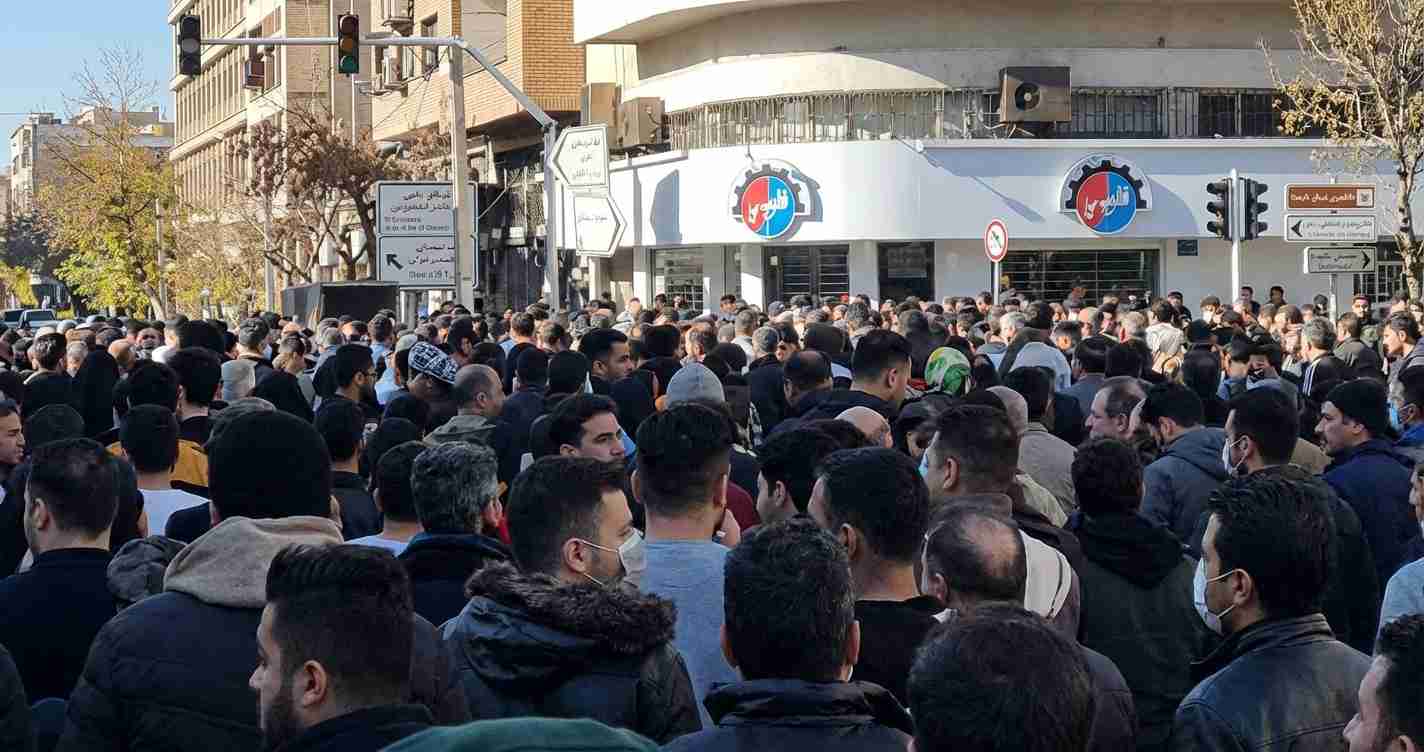
Tear gas and strikes as Tehran economic protests 2025 roar on — riot police clash with crowds amid record-low currency
Mass protests swept Tehran on December 29, 2025 as citizens rallied against a deepening economic crisis — a record-low rial, rampant inflation and energy shortages prompted clashes with riot police and widespread business closures for a second day.
- Riot police used tear gas to disperse demonstrators and clashed with crowds in central Tehran — reporting and eyewitness accounts indicate heavy security deployment (Radio Free Europe/Radio Liberty).
- The Iranian currency hit a record low on foreign-exchange markets, worsening inflation and deepening household hardship amid concurrent energy issues (Radio Free Europe/Radio Liberty).
- Major commercial areas in Tehran closed for a second day, though claims of a fully coordinated nationwide strike remain unverified by the principal report (Radio Free Europe/Radio Liberty).
Clashes and crowd response
Protesters filled streets in Tehran as demonstrations over worsening living conditions and economic hardship intensified. Security forces — including riot police — engaged with demonstrators and used tear gas in attempts to break up gatherings. The deployment of tear gas and confrontations with riot police were recurring features of the unrest, and many shops and businesses shut their doors for a second day as the situation unfolded (Radio Free Europe/Radio Liberty).
“Eyewitness accounts and local reporting described tense scenes in central neighborhoods, with demonstrators pressing their demands on the streets.”
Some social-media posts and unverified reports described chants and localised pushback against security forces; however, detailed international reporting does not fully corroborate all such individual claims. The verifiable pattern shows persistent unrest, clashes with security forces, and broad commercial shutdowns in Tehran (Radio Free Europe/Radio Liberty).
Economic drivers behind the unrest
The protests are tightly linked to a deepening economic crisis. The Iranian currency fell to a record low on foreign-exchange markets in the lead-up to demonstrations, amplifying inflation and eroding household purchasing power. That slide in the rial compounded longstanding problems: high prices for basic goods and an energy crisis that left many families struggling to pay for fuel and utilities (Radio Free Europe/Radio Liberty).
Analysts note that when wages and savings buy less and energy costs rise, frustration can quickly spill into the streets. In Tehran, demonstrators framed grievances around daily survival — rising costs for food, transport and heating — rather than solely political slogans, according to reporting (Radio Free Europe/Radio Liberty).
Scale, closures and the question of nationwide strikes
Major commercial areas in Tehran closed for a second consecutive day amid unrest, intensifying the economic pressure that spurred protests and creating a self-reinforcing cycle of shutdowns and anger (Radio Free Europe/Radio Liberty).
Claims circulating online that strikes extended nationwide — affecting places such as the Grand Bazaar or cities like Mashhad — are not fully confirmed by the main detailed report available to international outlets. At present, independent verification of a coordinated nationwide strike remains limited (Radio Free Europe/Radio Liberty).
International attention and reactions
The unrest drew international scrutiny as analysts and diaspora communities considered the economic roots of the demonstrations. Some social posts linked comments from foreign political figures to the events in Tehran; those specific claims are not confirmed by the principal source. What is clear is increased attention from foreign media and discussion about Iran’s economic stability and human-rights situation (Radio Free Europe/Radio Liberty).
Security measures, nighttime persistence and immediate risks
Reports indicate unrest continued into the night in parts of the city, with security forces active in several neighborhoods and deploying tear gas to disperse crowds. The risk of further clashes and arrests is an immediate concern for residents and observers, underlining a tense relationship between demonstrators and security services (Radio Free Europe/Radio Liberty).
Reporting and verification limits
Coverage by outlets outside Iran relies on limited open-source information, official statements, and social media or local contacts. The principal detailed report cited here does not confirm every circulating claim about locations, slogans or international statements. Readers should be aware that fast-moving events often produce conflicting accounts and that comprehensive verification can lag behind initial reports (Radio Free Europe/Radio Liberty).
Implications for Fresno, California
Though the unrest is primarily domestic, sustained instability in the Middle East can influence global energy markets. For Fresno and the San Joaquin Valley, potential impacts include:
- Economic links and market sensitivity: Higher global energy prices could raise costs for transport, agriculture and food distribution, affecting local businesses and consumers.
- Political and civic response: Elected officials, city offices and immigrant-serving nonprofits may receive constituent inquiries about relatives in Iran and U.S. consular actions.
- Social and cultural effects: Community vigils, solidarity rallies, campus discussions and faith-group events may emerge to share information and support families with ties to Iran.
- Humanitarian and practical considerations: Local nonprofits could see more requests about asylum, travel disruptions or family reunification; legal-aid and faith-based groups may be asked for guidance.
- Information needs and media literacy: Residents should rely on multiple reputable news sources and official channels; local media and community centers can help counter misinformation.
Practical actions — If you have relatives in Iran: check reputable sources, confirm travel and consular options, contact your member of Congress for urgent consular help, and coordinate support through established nonprofits or faith groups to ensure safe, legal assistance.
Source
Radio Free Europe/Radio Liberty, “Iran protests linked to currency, inflation; businesses close” — Radio Free Europe/Radio Liberty



