
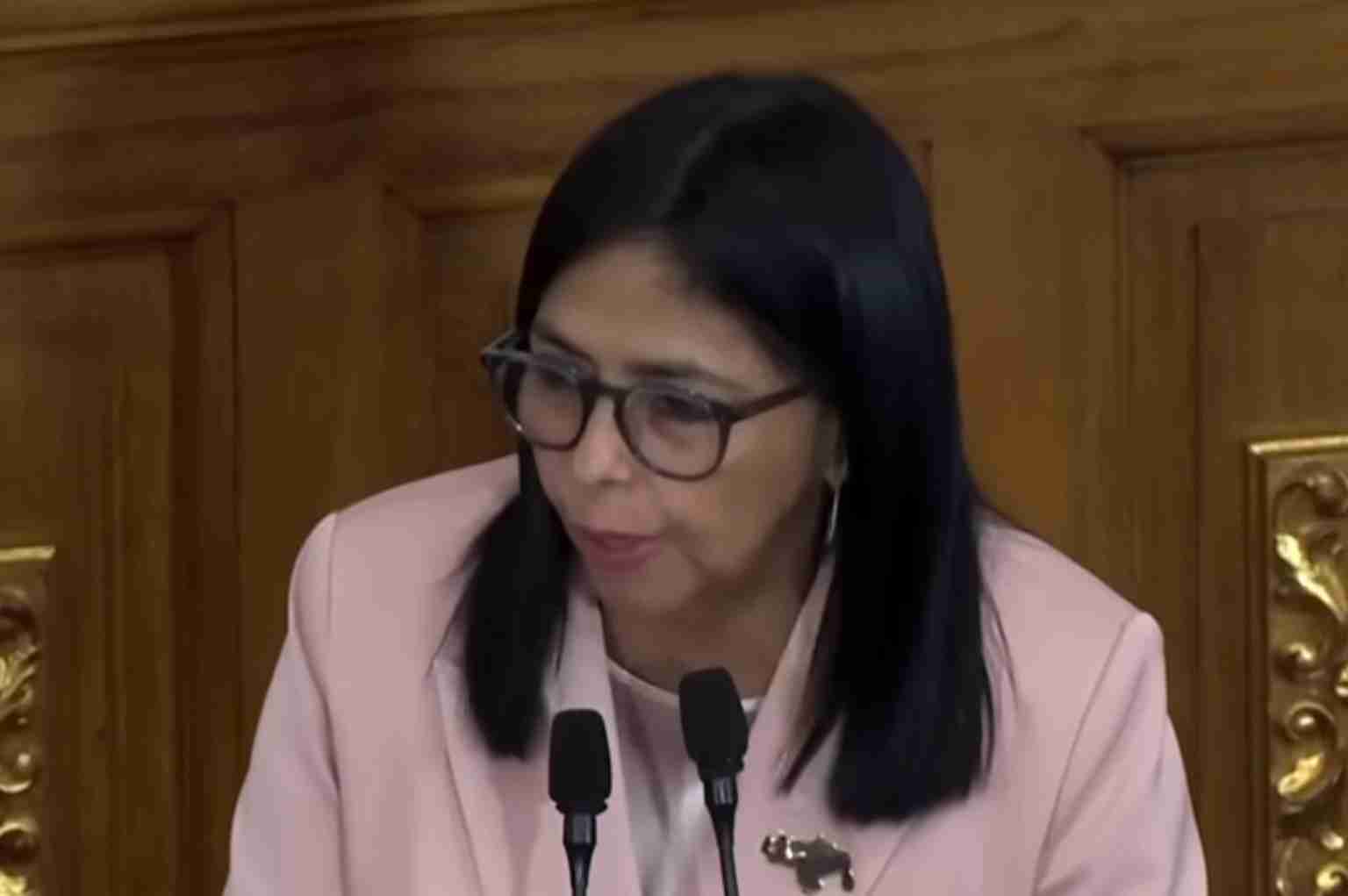
Acting Venezuelan president vows more releases of Maduro-era prisoners, but rights groups say hundreds remain detained
Acting President Delcy Rodríguez said Wednesday her government will continue releasing political prisoners detained under Nicolás Maduro, calling it a “new political moment” for coexistence, amid disputes over numbers, transparency and U.S. citizens.
- Ongoing pledge: Rodríguez said releases “have not yet concluded” and framed the effort as rebuilding coexistence — sources: KSL, Fox News.
- Verified releases: Independent groups confirm dozens freed, including at least four U.S. citizens; human-rights group Foro Penal (reported via KSL) estimates more than 800 remain detained.
- Transparency concerns: Government tallies vary (reports cite 194, 212, 406 freed); rights groups warn releases may be conditional and lack independent monitoring — see El País, Fox News.
How the announcement was delivered
Rodríguez made the statement at her first press briefing in the presidential palace in Caracas, flanked by her brother, National Assembly President Jorge Rodríguez, and Interior Minister Diosdado Cabello. She did not take questions. The briefing was presented as a public update on a large-scale clemency and release effort that Rodríguez described as aimed at building coexistence and tolerance. Sources: KSL, Fox News.
Verified releases and names
Rights groups and independent outlets have confirmed several individual releases in recent days. Foro Penal has verified the release of at least 68 people linked to the interim government’s promise, including a dozen freed on Wednesday such as political activist Nicmer Evans and campaign staffers Julio Balza and Gabriel González. Verification reported by KSL.
Days earlier the government freed at least four U.S. citizens, the first known Americans freed since Maduro’s ouster in a U.S. military operation earlier this month; those releases were confirmed by multiple outlets (KSL, Fox News).
On Jan. 12 roughly 20 to 24 political prisoners were released — including Italians Alberto Trentini and Mario Burlò and Spanish‑Venezuelan Alejandro González — after Italian diplomatic effort and U.S. mediation, raising the Foro Penal verified total to 41 among many others still held (El País).
Government claims vs. independent counts
Rodríguez credited Maduro with beginning a process in December 2025 that freed 194 detainees and said her government had released hundreds more since taking power. Public statements have varied: one report cited Rodríguez as saying 406 people had been freed, while other outlets reported her office claimed 212 releases. These differing totals underscore a lack of transparent, independently confirmed records (KSL, Fox News).
Foro Penal estimates more than 800 people remain detained — a tally that includes political leaders, soldiers and lawyers — and has expressed concern about who is freed and who remains behind bars (KSL, El País).
Human rights concerns and contested transparency
Advocates warn some releases come with restrictions and conditions. Venezuela’s Ministry of Penitentiary Services announced clemency for 116 detainees on a recent Monday; not all measures appear executed, and some freed people face limits on speech (El País).
“Foro Penal and others have also raised alarms about the death of detainee Edison Torres while in custody, intensifying concerns about detention conditions and the need for independent monitoring.”
At the press briefing Rodríguez pushed back, accusing some human rights groups of spreading “falsehoods” and “fishing in troubled waters.” Sources: KSL, Fox News.
Who is coordinating the releases
The releases appear coordinated by powerful figures tied to the old order. Interior Minister Diosdado Cabello, a long‑time figure in the Maduro-era security structure, is involved in coordinating clemencies. Analysts say Cabello’s role suggests there is not a full break with segments of the security apparatus linked to Maduro, complicating assessments of whether releases reflect real reform or a managed political maneuver (KSL, Fox News).
U.S. involvement and Venezuela’s shifting politics
The interim government took power after a U.S. military operation in early January that removed Nicolás Maduro from office. The United States, under President Trump, has backed Rodríguez despite prior sanctions and reportedly pressured her government on oil sales. The U.S. also helped mediate some releases and pushed for the return of U.S. citizens; President Trump has planned meetings with opposition figures including María Corina Machado. These moves have reshaped alliances and placed Washington at the center of diplomatic negotiations over prisoners (KSL).
Implications for Fresno, California
Economic and energy ripple effects: Fresno residents could see indirect effects from Venezuelan policy shifts. Any change in Venezuela’s oil policy tied to U.S. diplomacy may affect global oil markets and, by extension, California pump prices.
Local communities and families: Fresno has a sizable immigrant population with ties to Latin America. Local churches, community centers and advocacy groups may increase outreach for relatives still in Venezuela. News about prisoner releases will draw attention from Fresno families seeking updates, consular help or humanitarian aid.
Human rights and advocacy groups: Fresno nonprofits and student groups may call for federal action on behalf of detained Venezuelans and for protections for refugees and asylum seekers.
Political and civic debate: U.S. involvement offers local political implications. Fresno voters and officials may debate Washington’s role and receive constituent requests to press for transparent accounting of those still detained, especially given reports that as many as 800 remain in custody (KSL, El País).
Practical steps for Fresno residents: Families should seek information through the U.S. State Department and consular channels when American citizens are involved. Local legal aid and immigration clinics can advise on documentation and options for relatives seeking to leave Venezuela. Fresno nonprofits and faith groups could coordinate humanitarian support for newly freed individuals or refugees arriving in the U.S.
Monitoring the process
Investigative reporting and independent monitoring will be necessary to determine whether the release campaign is genuine reform or a controlled political maneuver. Rights groups such as Foro Penal remain key sources for independent counting and verification. Journalists and human-rights monitors will watch whether future releases are unconditional and whether security forces linked to the Maduro era continue to detain critics (KSL, Fox News, El País).
Sources
Reporting and verification drawn from: KSL, Fox News, El País.



