Federal judge halts Oregon Guard deployment to Portland, ruling raises executive authority and state sovereignty questions
A federal judge in Oregon issued a temporary restraining order halting a 200-member Oregon National Guard deployment to Portland, raising legal questions about presidential power to federalize state Guard units and the balance of federal authority and state sovereignty.
- Judge Karin Immergut blocked the 200‑member deployment, issuing a temporary restraining order while litigation proceeds — a significant check on the administration’s action. India Today
- Pentagon called up 200 Guard members for a 60‑day mission to protect federal property and personnel amid protests near the ICE facility. Oregon Public Broadcasting
- Oregon officials sued, arguing federalization lacked state consent and risked infringing state sovereignty; the case spotlights limits on presidential authority. WMBD Radio
- Broader implications for other cities and states include potential constraints on future federal Guard deployments and renewed debates over federal-state roles. Ground News
Deployment order and presidential rationale
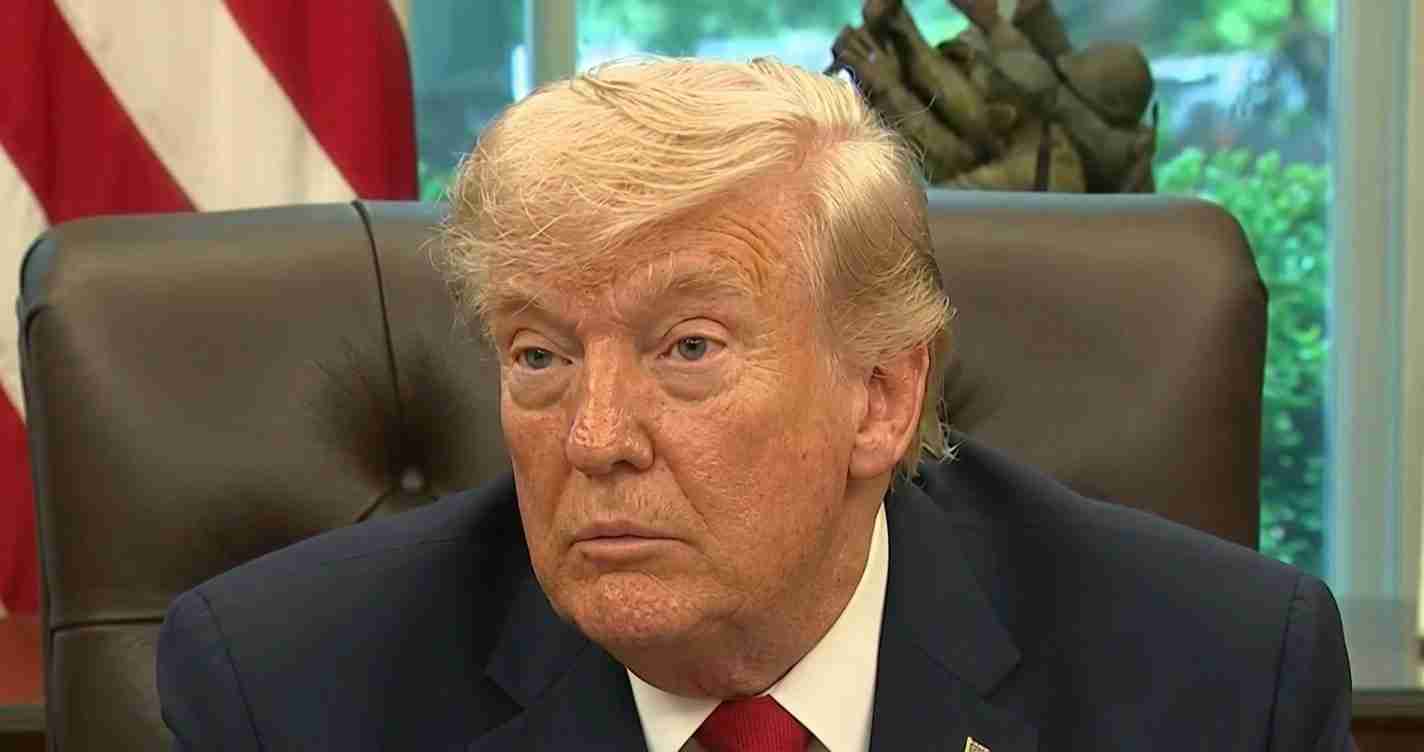
The administration issued a memo authorizing 200 Oregon National Guard troops to deploy to Portland for up to 60 days, framed as a mission to “protect federal property and personnel” amid protests — particularly around the ICE facility where tensions had risen. Officials cited concerns about threats to federal facilities and public safety; the president publicly described Portland as “war‑ravaged” and tied the move to a broader push to send Guard units to other cities such as Chicago and New Orleans. Oregon Public Broadcasting WMBD Radio
State opposition and legal challenge
Oregon leaders pushed back immediately. Governor Tina Kotek, Attorney General Dan Rayfield and Portland Mayor Keith Wilson argued there was no public‑safety emergency justifying federalization of the state Guard and that the action threatened state control of military forces and risked escalating tensions. Attorney General Rayfield filed suit against the president and top administration officials, calling the move a “baseless, wildly hyperbolic pretext” to seize control of state military resources; the state sought a rapid court order to block deployment. India Today
Judicial intervention and recusal
The case was initially assigned to U.S. District Judge Michael Simon, who later recused himself amid administration assertions of bias. The matter was reassigned to Judge Karin Immergut, a Trump appointee, who issued the temporary restraining order blocking the Guard deployment while the court evaluates whether the administration likely exceeded its authority by federalizing the state force without a clear showing of severe crisis. Observers note the significance of a TRO coming from a presidential appointee, which underscores the potency of the sovereignty argument. India Today
Immediate impact and on‑the‑ground protests
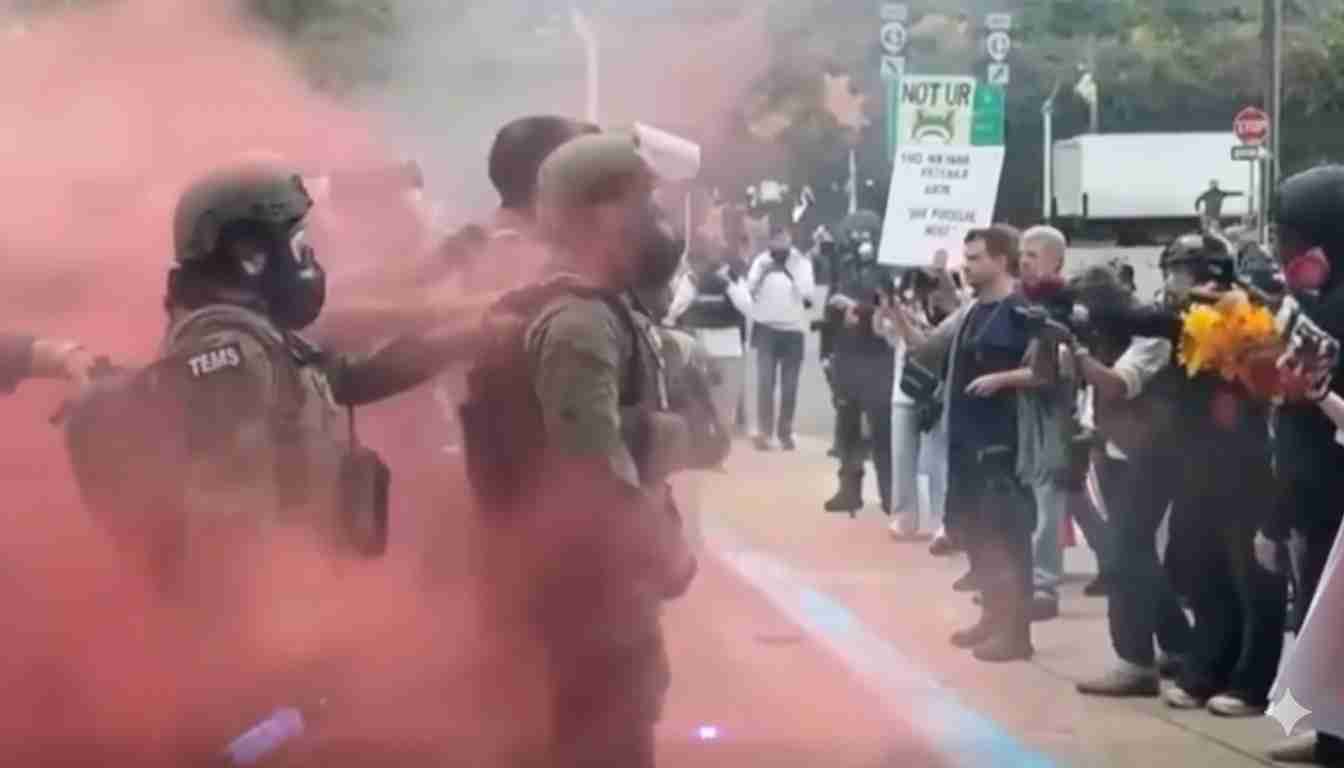
News of the planned deployment reignited demonstrations outside the Portland ICE facility. Protesters, counterprotesters and federal agents confronted one another in tense scenes that resulted in at least two arrests. City and state leaders pushed back on the administration’s portrayal of Portland, with Mayor Keith Wilson saying the federal claims “did not match the city’s reality,” and asserting Portland is “a city on the rise.” Officials cautioned that federal troops could inflame a volatile situation. Oregon Public Broadcasting
Legal and constitutional issues at stake
At the heart of the litigation is whether the president can federalize state National Guard units under statutes such as the Insurrection Act or other homeland‑security authorities without the governor’s consent. Oregon argues the administration lacked a genuine crisis and therefore could not unilaterally seize control of the Guard. The TRO reflects judicial concern that the federal action may overstate executive authority and infringe on state sovereignty; the case will probe the limits of presidential power, the circumstances justifying federal force in cities, and checks available to governors to protect state military resources. India Today Oregon Public Broadcasting
Broader significance and national context
This dispute follows other legal fights in Democratic‑led cities where the administration sought a stronger federal posture toward protests, particularly those tied to immigration enforcement. States pushing back against perceived federal overreach may shape future limits on the president’s ability to deploy Guard forces without state consent. If the court ultimately narrows federal federalization authority, it could constrain a tool previously used to respond to unrest in municipalities that object to federal immigration policies and sanctuary practices. WMBD Radio Ground News
Timeline of key events
- Sept. 28: Oregon files suit after the White House signals troop deployment and the Pentagon calls up 200 Guard members. WMBD Radio India Today
- Sept. 29: State officials request an emergency restraining order; protests occur at the Portland ICE site. Oregon Public Broadcasting
- Early Oct.: Judge Karin Immergut issues a temporary restraining order halting the federalization pending further legal review. India Today
Voices and reactions
State and local officials: Framed the deployment as an attack on state control of Guard forces and local decision‑making. Oregon Public Broadcasting
Mayor Keith Wilson: Said federal claims about Portland “did not match the city’s reality,” urging that the narrative runs counter to local truth. Oregon Public Broadcasting
The administration: Defended the plan as necessary to protect federal facilities and personnel, citing unrest in protest areas. WMBD Radio
Implications for Fresno, California
Economic, political and social ripple effects could reach Fresno:
- Economic impact: A court decision that limits federal authority may reduce the risk of surprise federal troop deployments — but could require more local spending on law enforcement training, equipment, or mutual aid.
- Political consequences: The ruling sharpens debate over executive authority and state sovereignty; local voters and leaders may view it as either a check on federal overreach or a constraint on rapid federal responses to unrest.
- Social effects: Protest groups and immigrant communities may feel both relief and uncertainty — relief if federalized, militarized responses are curtailed; uncertainty about whether local systems can safely manage large demonstrations.
- Practical applications: Fresno officials should review mutual aid plans, Guard coordination protocols and legal guidance on federal requests; community groups may update preparedness for peaceful demonstrations and safety protocols.
Sources and reporting notes
This article draws on reporting from Times Media Service and the following outlets; journalists contacted Oregon state officials and reviewed court filings and public statements:
Reporting note: Journalists reviewed court filings, public statements, and statements from Oregon officials as part of coverage of this developing legal dispute.