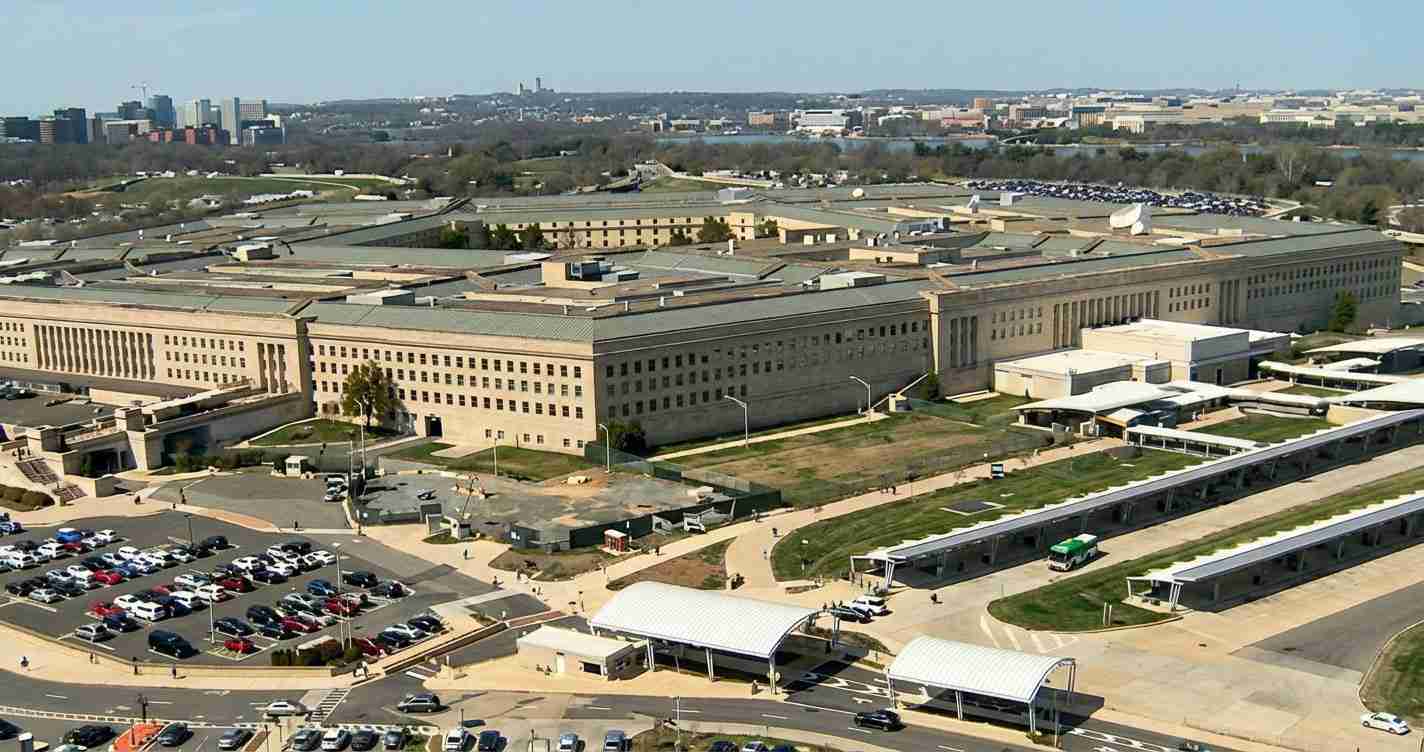
Hegseth orders Pentagon ban on military graduate programs at Ivy League, elite schools starting 2026–27
Defense Secretary Pete Hegseth announced a Pentagon ban on uniformed personnel attending graduate programs at elite universities such as Princeton and Columbia, effective for the 2026–27 academic year, citing concerns about ‘wokeness’ and military readiness, institutional bias.
Key takeaways
- Immediate policy change: The DOD will cancel Pentagon-funded graduate attendance at named elite universities starting in 2026–27.
- Rationale: Hegseth framed the move as combatting “indoctrination” and what he called “wokeness and weakness.”
- Operational uncertainty: Guidance on exceptions, appeals, and effects on already-selected officers was not published as of Feb. 28, 2026.
- Potential ripple effects: Cuts could reallocate funding to service schools or regional programs and affect localities like Fresno.
Key information
Defense Secretary Pete Hegseth announced the cancellation of Department of Defense (DOD) attendance by uniformed personnel at graduate programs at elite universities including Princeton, Columbia, MIT, Brown and Yale, beginning in the 2026–27 academic year. Reporting and coverage include Columbia Spectator, Fox News, and CBS News.
What Hegseth said and how he framed the move
In a recorded statement released Friday, Hegseth called the cancellations “complete and immediate,” saying the DOD will no longer send officers to graduate programs he judged inimical to military values. He accused elite universities of having “abused their privilege and access” and described them as “factories of anti-American resentment and military disdain.” See the video statement for his full remarks.
Quote: “The Department of Defense is finished subsidizing the corruption of our own in uniform class. We’re done paying for the privilege of our enemies’ wicked ideologies to be taught to our future leaders.” The statement repeatedly accused some schools of promoting “wokeness and weakness.” (Coverage: Fox News, CBS News.)
Scope and mechanics of the ban
Hegseth explicitly named a set of elite schools — Princeton, Columbia, MIT, Brown and Yale — and said the ban would include “many others.” The measure affects DOD attendance by service members in civilian graduate programs, particularly senior officers who receive Pentagon-funded graduate education slots tied to career follow-on assignments. (Reporting: Columbia Spectator, Fox News.)
The department had not published detailed guidance on exceptions, appeal processes, or how the ban will affect officers already enrolled or selected for spots during the 2026 academic cycle. As of Feb. 28, 2026, there were no public legal challenges or reversals reported. (See CBS News.)
Background — Harvard and Hegseth’s trajectory
This action follows an earlier Pentagon decision in February 2026 to end active-duty attendance and military programs at Harvard. Hegseth has broadened that approach to multiple elite institutions. (Reporting: CBS News.)
Hegseth is an alumnus of Princeton and attended Harvard, a fact noted by reporters as he criticized the same institutions that awarded him degrees. Critics point to that background when evaluating whether the actions are politically motivated or driven by readiness concerns. (Coverage: CBS News, video.)
Reactions — politics, readiness and the culture debate
The announcement sparked debate across defense, academic and political communities. Supporters argue it refocuses the military on warfighting rather than prestige and protects officers from ideological influence. Opponents warn it politicizes professional military education and risks long-term losses in intellectual breadth and technical expertise. (Analysis: Military.com.)
Some analysts stress the core question is whether degrees meet specific DOD needs — for example, in artificial intelligence, semiconductors, cyber, or advanced engineering — where civilian schools often lead. Cutting ties to top civilian programs could limit access to critical skills. (Commentary: Military.com.)
Operational and policy questions for the Pentagon
Practical issues remain unsettled. Services typically tie civilian graduate slots to specific billets and follow-on assignments. Officers accept service commitments tied to the education. Key open questions include how the Pentagon will reallocate slots, whether new domestic or service school slots will expand, and how the department will ensure access to cutting-edge civilian research. No formal Pentagon policy memo was publicly posted as of Feb. 28. (Sources: CBS News, Fox News.)
Who stands to lose and who stands to gain?
Officers slated for civilian graduate degrees at named schools could see assignments delayed or reassigned. Universities named in the ban lose DOD-sponsored students and program ties that have included research partnerships and personnel exchanges. At the same time, War Colleges and service academy graduate programs could see increased emphasis and funding if the Pentagon redirects resources. (Coverage: Columbia Spectator, CBS News.)
Implications for Fresno, California
Economic impact: Fresno does not host Ivy League campuses, but changes could affect local military and higher-education connections. Fresno relies on veterans and military-trained workers as part of its labor pool. If the Pentagon redirects graduate education funds toward service schools or regional partnerships, Fresno employers hiring veterans with advanced skills — in logistics, engineering, cyber or AI — may see shifts in candidate profiles. Such effects would likely be gradual and depend on DOD reallocation.
Local service members and the National Guard: California’s National Guard and Reserve units include members from Fresno. A ban could change career-development paths for Guard officers who planned for Pentagon-sponsored graduate study at affected schools, potentially altering promotion timelines or specialty training availability for some Fresno-based service members.
Higher education and partnerships: Fresno State (California State University, Fresno) and other regional campuses could see increased demand if the Pentagon steers officers toward alternative civilian programs closer to home or state universities with defense-relevant curricula, creating opportunities in fields tied to national security like data science, cyber, supply chain and agricultural logistics.
Recruiting and community relations: The announcement may shape local recruiting conversations. Community leaders and recruiters in Fresno could face questions from prospective enlistees or families about the military’s education options and career pathways. If the department emphasizes in-house warfighting education, local outreach may shift toward trade and service-school pipelines.
Political and social effects: Fresno is politically mixed and pragmatic. Local debate is likely to focus on concrete outcomes — jobs, training, and whether local veterans and service members get the education they need. City, county and university leaders may press for clear Pentagon guidance to preserve opportunities for local servicemembers seeking advanced degrees.
Sources and reporting notes
This article draws on reporting by Columbia Spectator, Fox News, CBS News, Military.com, and public statements by Defense Secretary Pete Hegseth. Primary items include the Columbia Spectator report on DOD cancellations, Fox News coverage of Hegseth’s remarks, CBS News reporting on Harvard and broader cuts, the Hegseth video statement, and analysis on readiness and officer education from Military.com.
Reporting note: As of Feb. 28, 2026, the Pentagon had not made public a detailed implementation memo, and no immediate legal challenges were reported. Journalists and local officials in Fresno are seeking further detail from DOD and the services on how graduate-education slots will be handled and whether local institutions might see new opportunities.