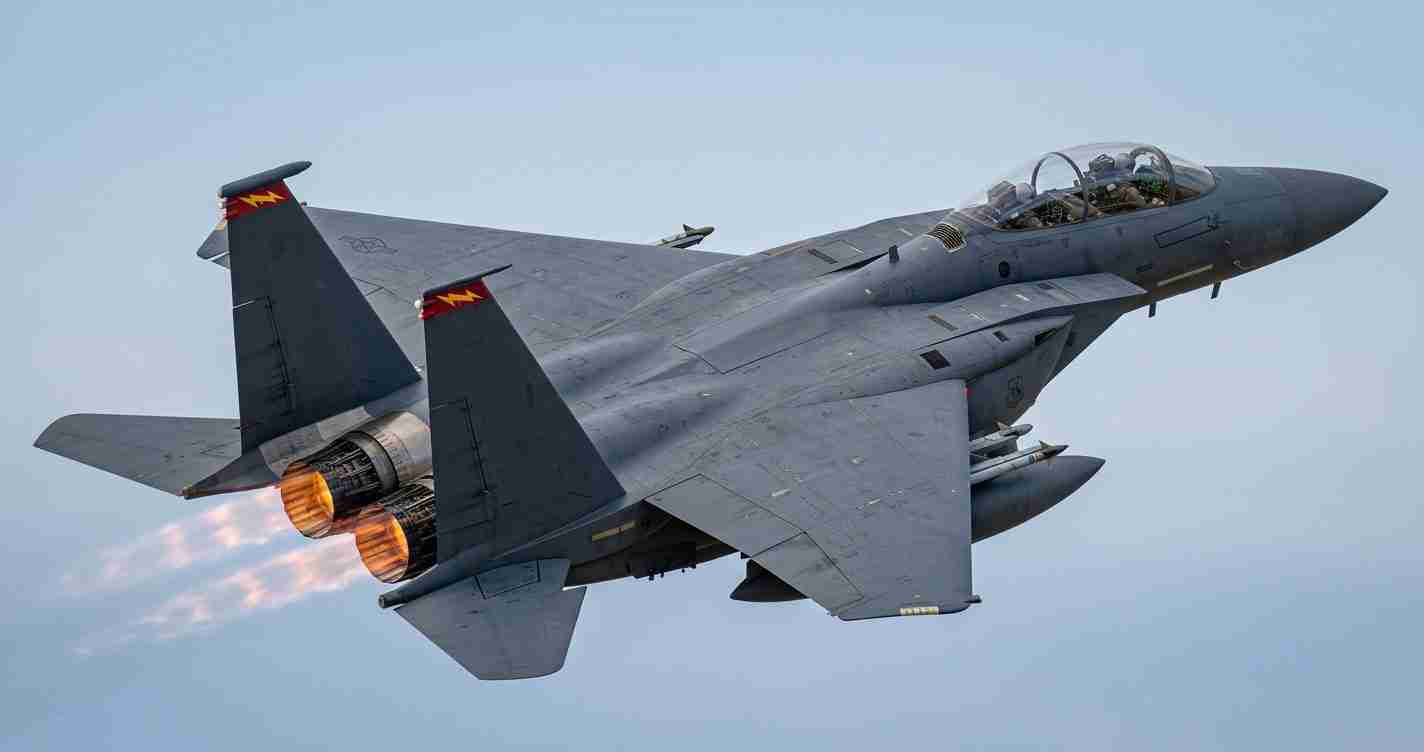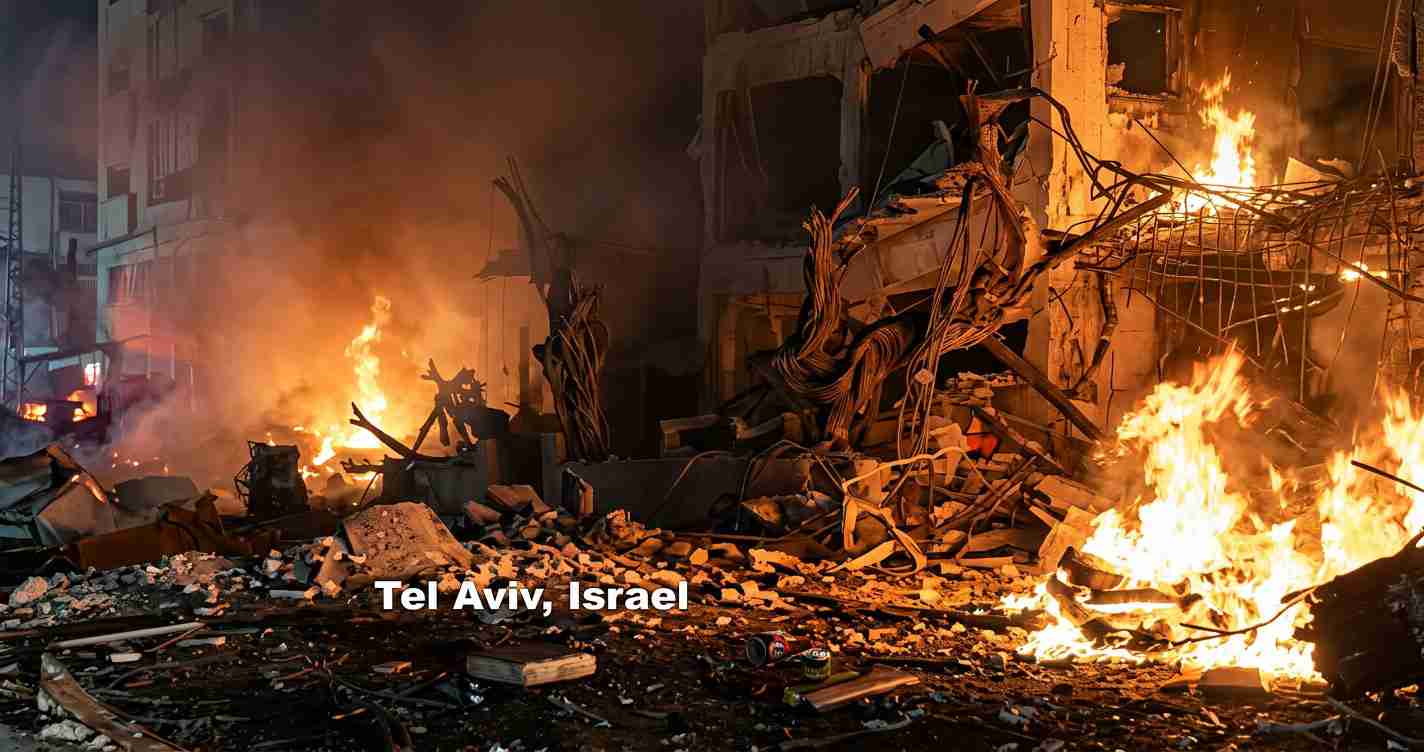
Iran, Hezbollah launch near-simultaneous strikes on Israel as air raid sirens blare; reports say cluster munitions complicate defenses
In early March 2026, Iran and Hezbollah launched coordinated missile, rocket and drone strikes on central and northern Israel, including Tel Aviv and Jerusalem, triggering widespread air-raid sirens and escalating the conflict into a multi-front regional crisis.
- Near-simultaneous multi-source salvos aimed at central and northern Israel, including Tel Aviv and Jerusalem.
- Israeli interceptions reportedly shot down many projectiles, but some penetrations caused shrapnel injuries and damage.
- Claims of cluster munitions remain unconfirmed by independent weapons forensics and require caution.
- Broader campaign context: strikes occurred amid a U.S.-Israeli campaign targeting Iranian sites and were accompanied by cyber activity.
What happened — overview and reporting
Beginning in early March 2026, regional outlets and circulating videos reported waves of missile, rocket and drone fire into Israel from two directions: ballistic and cruise missiles allegedly launched from Iranian territory and rockets and drones fired from southern Lebanon by Hezbollah. The salvoes arrived in quick succession, prompting widespread air-raid sirens and sheltering across cities including Jerusalem and central Israel.
Reporting and footage: coverage included regional press briefs and multiple on-the-ground video clips that showed alarms, intercepts, and impacts. Some outlets framed the timing as a deliberate attempt to strain Israel’s air defenses.
Sources that covered these developments included The Jerusalem Post and an analysis by E. Magnier / Eurasia Review, alongside multiple video reports cited in later sections.
Interceptions, impacts and air defenses
Israeli military statements said many incoming projectiles were intercepted. Nevertheless, media and social posts reported some strikes that produced shrapnel injuries and localized damage. Analysts described the near-simultaneous launch pattern as intended to complicate and potentially overwhelm layered air-defense systems.
Quote: “The salvo timing appeared designed to test intercept capacity,” several analysts noted in regional briefings and video commentary.
Claims of cluster munitions — verification status and implications
Some reports claimed Iranian warheads dispersed cluster munitions — bomblets that scatter across wide areas. Cluster munitions are banned by the 2008 Convention on Cluster Munitions and are of grave humanitarian concern due to unexploded submunitions. If confirmed, such use would create a difficult-to-intercept threat and long-term civilian risk.
Verification caution: Times Media Service did not independently confirm cluster munition use at the time of reporting. Video evidence can be suggestive but is often insufficient for weapon-type forensics; independent confirmation from weapons experts or international agencies would be required to substantiate the claim.
Related reporting that raised the cluster-munition question included a local compilation at Nampa local reporting and discussion in other regional coverage.
Hezbollah’s role and the northern front
Hezbollah reportedly fired rockets and drones from southern Lebanon and conducted cross-border actions into northern Israel. Israel said it responded with strikes on Hezbollah infrastructure in Beirut’s southern Dahiyeh suburbs and targeted launchers in southern Lebanon; the military also reported downing unmanned aerial vehicles originating from Lebanon.
Analysts noted Hezbollah appears to be adapting tactics — operating in smaller units, minimizing electronic communications, and conserving key weapons — consistent with guerrilla-style practices aimed at complicating large conventional responses.
Coordination with Iran — what the reporting shows
Multiple outlets observed Iranian missile salvos closely followed by Hezbollah rocket and drone barrages, and many analysts framed the timing as a coordinated, multi-source pressure campaign on Israel. Some coverage tied the events to a recent U.S.-Israeli campaign of strikes on Iranian targets.
Note on direct coordination: at least one report found no conclusive open-source evidence of battlefield-level, direct command-and-control coordination between Tehran and Hezbollah; synchronization may reflect strategic alignment rather than single-source operational control. See the verification discussion below.
U.S.-Israeli campaign context and broader escalation
The strikes occurred amid a reported U.S.-Israeli campaign targeting Iranian command centers, missile sites and IRGC-linked facilities that began in late February 2026. That campaign reportedly included strikes inside Iran and other deep operations intended to degrade missile and command capabilities, raising concerns about regional spillover beyond the Israel–Iran–Hezbollah axis.
Cyber activity and multi-domain tactics
Alongside kinetic strikes, reporting indicated increased activity by Iranian-linked cyber actors, including attempts to access cameras and reconnaissance systems. Contemporary multi-front conflict often blends kinetic, aerial, drone and cyber operations to achieve broader operational effects.
Reactions and local conditions inside Israel
Israeli authorities ordered evacuations in parts of Beirut and reported precision strikes in southern Lebanon. Within Israel, cities such as Haifa and the greater Tel Aviv area experienced repeated air-raid sirens; residents spent extended periods in shelter rooms as alarms cycled and authorities issued all-clear notices.
Media and video accounts documented an emergency routine of frequent alarms and anxious waits for all-clear signals.
Verification note
This article draws on regional press reports, video evidence circulating online, and analysis by local and regional outlets. Some elements circulating on social media — including specific operation names and some quoted analyst comments — could not be independently verified by Times Media Service at press time. Readers should distinguish between claims reported by particular outlets and details confirmed by multiple independent sources.
Sources and further reading
- The Jerusalem Post
- Eurasia Review / E. Magnier analysis
- Nampa local reporting (compilation)
- Asharq al-Awsat English (verification report)
- Video report 1, video report 2, video report 3
Implications for Fresno, California
Although geographically distant, the escalation has tangible local implications for Fresno residents, businesses and civic life. Below are practical angles and community effects to monitor.
Economic impact
- Energy and fuel costs: a widening Middle East conflict can push global oil and gas prices higher, raising fuel costs for Fresno drivers and diesel for agricultural equipment.
- Food prices: higher shipping and energy costs can increase fertilizer, transport and distribution expenses, potentially affecting local grocery prices and farmer margins.
Political consequences
- Local politics and advocacy: Fresno leaders may be called to respond on humanitarian assistance, resettlement policy and federal military decisions.
- Congressional attention: constituents may press regional representatives on votes related to U.S. involvement, aid, and sanctions policy.
Social effects
- Community stress and solidarity: diverse Fresno communities with family ties to the Middle East may experience increased worry and seek local support through vigils, counseling and mutual aid.
- School and campus life: universities and schools may host informational panels, mental-health resources and forums for affected students and families.
Cultural relevance and civic engagement
Local media and ethnic outlets are likely to translate global developments for Fresno audiences. The conflict may spur civic forums on U.S. foreign policy, humanitarian aid and the balance between diplomacy and security.
Practical applications for residents
- Emergency readiness: review household emergency plans and ensure kits and contact lists are current.
- Financial preparedness: budget for potential short-term spikes in fuel and food costs; farmers and small businesses should monitor fuel markets and supply chains.
- Community support: local groups can prepare mental-health, legal assistance and relief resources for residents affected by the conflict or price shocks.
Local takeaway for Fresno’s moderate-leaning audience: monitor credible news sources, prepare for short-term price or supply fluctuations, and support community networks that can help neighbors with ties to the region.
Conclusion
The near-simultaneous Iran and Hezbollah strikes in early March 2026 represent a significant escalation with multi-domain elements — missiles, rockets, drones and cyber activity — and raise complex operational, legal and humanitarian questions, particularly regarding unconfirmed claims of cluster-munition use. Independent verification and weapons-forensic analysis remain essential as reporting and footage continue to be assessed.