Former CISA Acting Director Warns Iran Is Using AI to Spread False Claims of Victory — A Growing Threat of Iran AI Propaganda
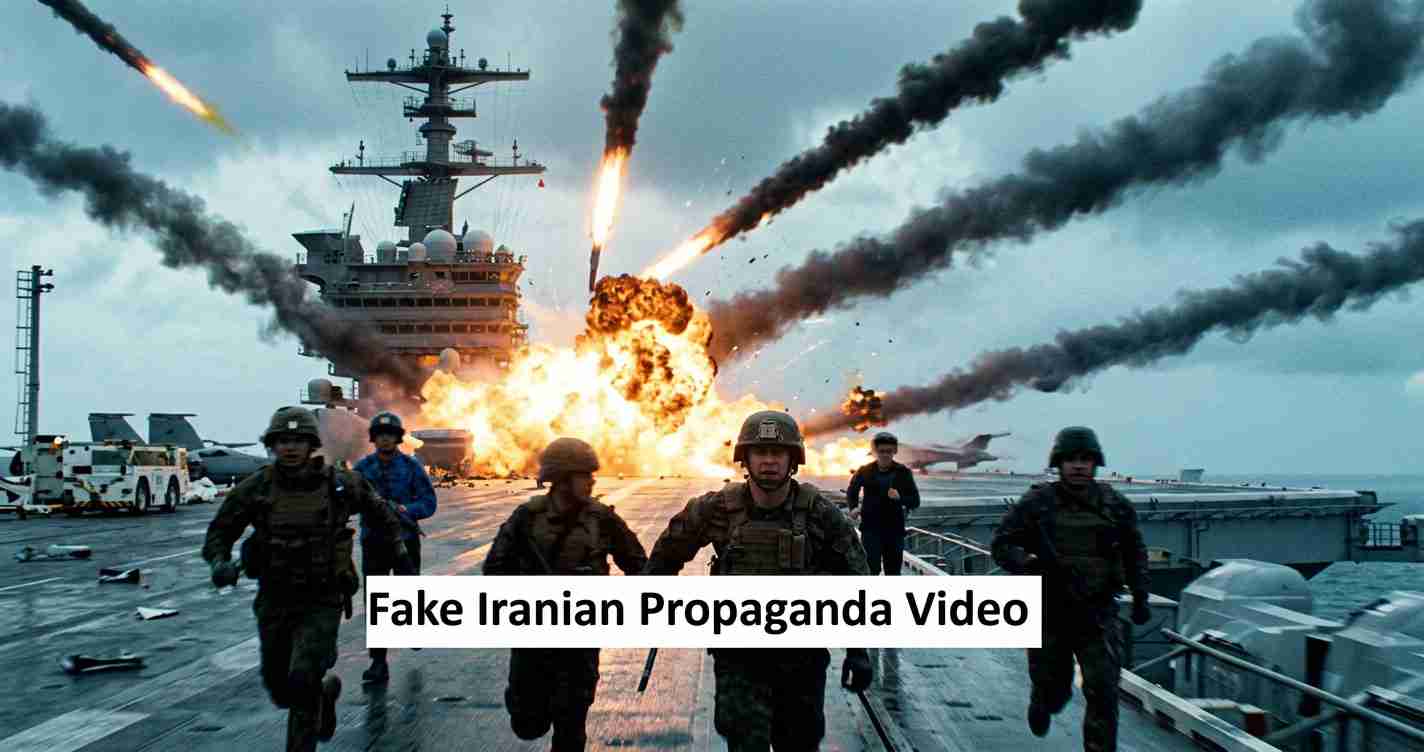
Bridget Bean, former acting CISA director, warned on Fox News that Iran is using AI-generated and subtly edited images to craft false narratives of military success, aiming to weaken U.S. and allied resolve by spreading believable propaganda.
- AI-driven edits are shifting from crude fakes to subtle touches that can pass a quick visual check.
- State media examples: BBC Verify reporting found signs of AI editing in images of Mojtaba Khamenei.
- Public risk: Small edits on real photos/videos can erode trust and influence domestic and international perceptions.
- Practical response: Media literacy, verification tools, and platform interventions are essential defenses.
What Bean said on Fox News
Bridget Bean told The Ingraham Angle clip that Iran “can’t win on the battlefield,” and therefore is turning to information operations powered by artificial intelligence. She explained that older, obvious fakes — the sort with mismatched lip-sync or warped faces — are being replaced by refined edits that pair authentic photos and videos with slight AI adjustments.
“They’re taking real pictures, real videos and adding just a touch of AI so that it passes the gut test,” Bean said, adding the goal is to “weaken our will, our resolve and to really push a narrative that is not true.”
AI-altered images tied to Iran’s leadership
Reporting cited by Bean includes findings from BBC Verify and journalist Shayan Sardarizadeh, who identified signs that photos circulated by Iranian state media of Mojtaba Khamenei had been edited using online AI tools. Those edits — and their timing — sparked questions about how Tehran shapes both domestic and international perceptions of leadership continuity and strength.
How AI manipulation works and why it’s harder to spot
Modern AI tools enable subtle alterations rather than wholly fabricated scenes. Techniques include:
- Smoothing or relighting faces to remove telltale inconsistencies.
- Gaze or expression shifts that change perceived intent or vitality.
- Minor compositing that blends real and edited pixels to pass cursory inspection.
This approach is especially dangerous because it passes a quick visual “gut test” for users scrolling on phones, increasing the chance manipulated content is accepted and shared.
Verification challenges and limited public evidence
The Fox News segment presents Bean’s analysis and references public reporting (for example, BBC Verify’s work on the Khamenei images), but it does not include exhaustive forensic evidence of a coordinated campaign. Independent attribution of posts to Iranian government actors requires more open-source forensic work and transparency than the clip provides.
Why this matters: propaganda as a tool of modern conflict
A sustained campaign of AI-amplified messaging can produce concrete effects:
- Domestic morale: Boosting internal support for a regime.
- Regional influence: Shaping rival governments’ perceptions and responses.
- International confusion: Eroding allied unity or delaying policy moves.
Because small edits on authentic media are harder to dismiss, state actors can cheaply and rapidly amplify narratives with perceived credibility.
Practical steps for the public and platforms
Bean’s warning highlights concrete actions for individuals and platforms:
- Slow down: Pause before sharing viral images or videos.
- Verify sources: Cross-check with original posts and reputable outlets.
- Use verification tools: Reverse-image search, metadata inspection, and dedicated forensic resources.
- Platform duties: Improve labeling, detection, and takedown procedures for AI-manipulated content tied to state actors.
Implications for Fresno, California
Economic and business impact
Local businesses that rely on digital marketing and e-commerce could see engagement decline if trust in online content erodes. Fresno universities, startups, and cybersecurity programs may face increased demand for verification tools, training, and research funding.
Political consequences
City and county leaders may need to address misinformation reaching constituents. Clear, calm communication from trusted officials can help prevent fear-driven responses or partisan exploitation of foreign propaganda.
Social effects and community trust
Fresno’s diverse communities — including immigrant and refugee populations — often depend on social media for news. AI-manipulated images shared within tight networks can spread confusion; local media and community organizations should bolster verification and trusted information channels.
Cultural relevance
Awareness campaigns in schools, libraries, and faith communities can build resilience. Cultural leaders can encourage verification before sharing content that might inflame tensions.
Practical applications for residents
- Newsrooms and officials: Monitor misinformation and publish verified updates.
- Residents: Rely on official city/county channels and established news outlets.
- Education: Add AI literacy and media verification modules to local tech training and school curricula.
What journalists and watchdogs should do next
Reporters should pursue open-source forensic investigations and document concrete examples. Recommended priorities include:
- Track whether manipulated images reach Fresno and other local audiences.
- Explain verification techniques in plain language for the public.
- Partner with university researchers to study local dissemination patterns.
Reporting requirements and transparency
Bean’s observations underscore a key point: AI-manipulated images can be convincing, but rigorous attribution and public forensic evidence are required before claiming coordinated campaigns. Journalists should clearly attribute claims, publish methods, and preserve evidence for independent review.
Sources and further reading
- Fox News video of Bridget Bean on The Ingraham Angle — clip cited in reporting and quotes above.
- Reporting by BBC Verify and journalist Shayan Sardarizadeh on edited images of Mojtaba Khamenei (publicly reported verification findings cited in media coverage).