Robot rabbits join Everglades fight against invasive Burmese pythons as officials seek new tools to save native wildlife
SFWMD and the University of Florida deployed 120 solar-powered, AI-equipped robot rabbits in the Everglades to lure, detect and enable removal of invasive Burmese pythons that have devastated native mammals and birds and protect fragile ecosystems and restoration work.
- Partnership: South Florida Water Management District (SFWMD) partnered with the University of Florida (UF).
- Technology: 120 solar-powered, heat-emitting, scent-diffusing robot rabbits equipped with cameras and AI alert removal crews to python presence.
- Scale & cost: Pilot deployed summer 2025; roughly $4,000 per unit, funded by SFWMD.
Robot rabbit technology
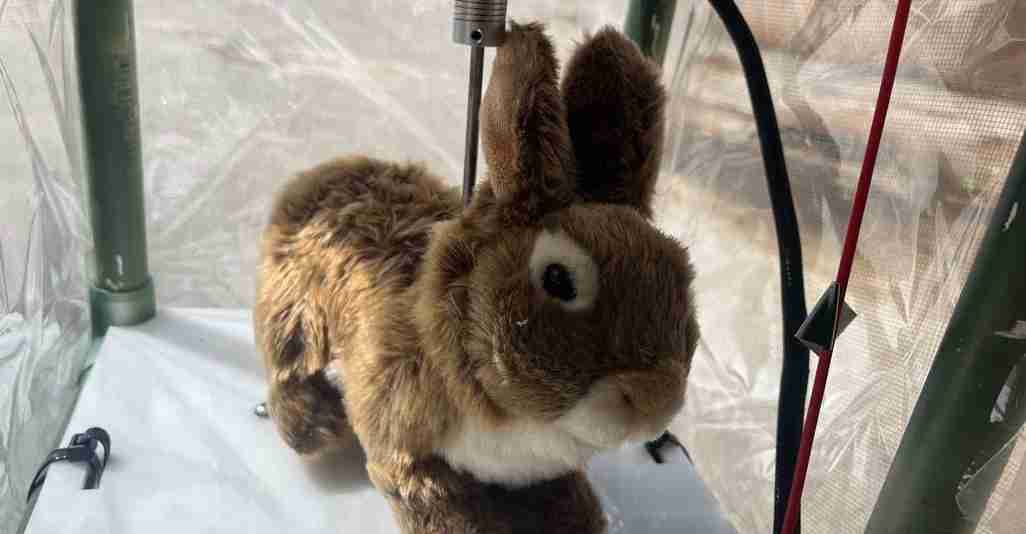
The devices began as simple toy rabbits and were extensively retrofitted with motors, heaters, solar panels and waterproofing to survive marsh conditions. They are designed to look, move and even smell like marsh rabbits, a preferred prey species for Burmese pythons.
Each unit produces a heat signature and emits rabbit scent from a diffuser to make the lure more convincing. Cameras mounted on the robots stream imagery into an AI system that analyzes frames and alerts SFWMD staff when a python approaches; confirmed detections dispatch removal teams for capture and removal.
Program implementation and costs
SFWMD began the pilot in the summer of 2025, placing 120 units in high-activity python zones across the Everglades. The robots are solar-powered and remote-upgradeable, allowing adjustments without frequent retrieval from the field.
The roughly $4,000-per-robot price reflects added electronics, custom housings and AI cameras. The pilot is funded by the SFWMD, which cites earlier methods—such as using live rabbits as bait—as too costly and labor intensive.
Ecological stakes and background
Burmese pythons, native to Southeast Asia, became established in Florida largely through the exotic pet trade and owner releases; Hurricane Andrew (1992) is often cited as a turning point when breeding facilities were damaged and snakes escaped. Females can lay 50–100 eggs a year and, in Florida, face few natural predators.
Field evidence and studies indicate these pythons have driven steep declines in native fauna—some reports estimate up to a 95% reduction in fur-bearing small mammals and losses of thousands of birds in parts of the park, threatening restoration work and biodiversity.
Removal efforts and complementary strategies
The robot rabbit initiative complements existing programs, including the Python Elimination Program, which pays contractors and coordinates removal agents. Contractors reportedly removed more than 11,000 pythons in 2023 in the Everglades region, underscoring the scale of the challenge.
Public competitions and bounty-style events (for example, regional Python Challenges) are additional tools in the broader campaign. Officials stress that each removed python contributes to protecting the Everglades and the multibillion-dollar restoration efforts in South Florida.
Early findings and expert views
Program leaders call the approach promising but nascent. Early detections combined with rapid response suggest lures can draw pythons out of concealment, improving detection efficiency in complex wetlands where snakes camouflage effectively.
Officials caution it is too soon to measure long-term population effects. The strategy aims to increase rapid detection and removal, using AI to reduce false alarms and make crews more efficient. As one SFWMD biologist said:
“Every python that is removed and eliminated is making a difference to protect the Everglades and South Florida’s diverse and native wildlife.”
Investigative questions and limitations
- Effectiveness at scale: How many pythons will be removed directly due to robot detections, and will that yield measurable population declines?
- Durability and cost: What are maintenance and replacement costs in harsh wetland environments, and is the ~$4,000-per-unit model sustainable for broader deployment?
- Ecological side-effects: Could lures attract non-target predators or create other unintended effects? The devices mimic a single prey species, but long-term study is needed.
- Transferability: Can the approach be adapted to other invasive species or habitats beyond the Everglades?
Implications for Fresno, California
Although Burmese pythons are not established in Fresno or the Central Valley, the pilot has practical lessons:
- Invasive-species technology: Fresno’s agricultural and conservation sectors can study robot rabbits as a model for AI, remote sensing and automated lures that could be adapted to feral pigs, nutria, or other pests.
- Water management partnerships: SFWMD’s collaboration with UF and use of solar field devices provides a template for California water districts and university researchers to pilot sensor-equipped lures or AI camera traps.
- Economic & workforce: Manufacturing, robotics maintenance and field servicing create local jobs; Fresno’s vocational programs could train workers for similar roles.
- Policy & funding: The $4,000 unit cost and maintenance needs highlight the need for clear cost-benefit analysis before scaling high-tech interventions.
- Community engagement & ethics: Messaging and transparency will be crucial if deploying animal-mimicking lures—balancing animal-welfare concerns with ecosystem protection.
- Preparedness: Climate change and trade shift invasive-species risk; investing in rapid detection tools and partnerships can help Fresno respond to emerging threats.
Sources and documentation
Reporting and background on the robot rabbit pilot are drawn from SFWMD and university releases, national reporting and regional coverage. Key sources:
- SFWMD overview of the project
- University of Florida feature on the research team
- CBS News national coverage
- Route Fifty technology analysis
- AP Newsroom materials
- Video overview
- Palm Beach Post reporting
- SFWMD Python Elimination Program
Final notes
Summary: The robot rabbit pilot represents an innovative, technology-driven attempt to improve detection and removal of invasive Burmese pythons in the Everglades. While early results are encouraging, managers emphasize the need for long-term study of effectiveness, costs and ecological side-effects before broader deployment.
For Fresno leaders and residents, the project is a case study in applying AI, solar field devices and interagency cooperation to protect ecosystems, balance budgets and engage the public in conservation trade‑offs.