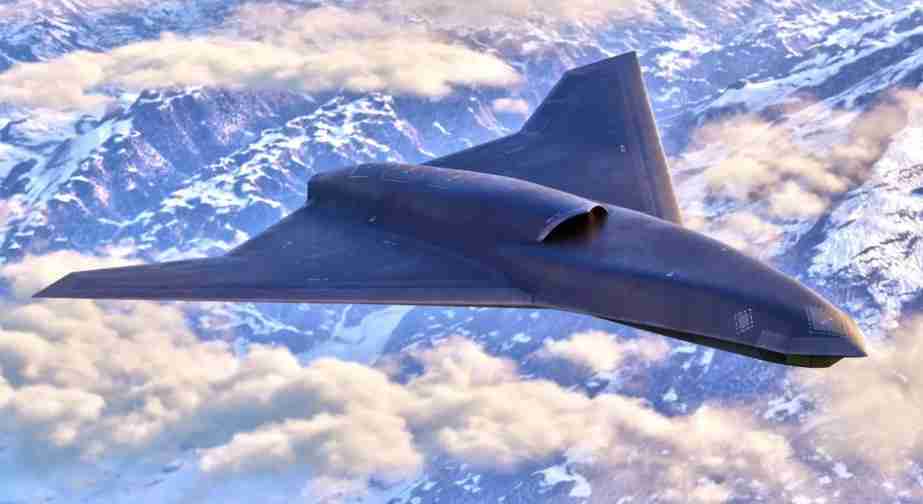
Lockheed’s Skunk Works unveils Vectis stealth combat drone, a new air superiority drone designed to team with manned fighters
Lockheed Martin’s Skunk Works unveiled Vectis, a stealthy combat drone built for air superiority and teaming with manned fighters, emphasizing survivability, modularity and rapid prototyping; first flight is expected within two years.
- High-survivability stealth CCA: Vectis is pitched as a collaborative combat aircraft that prioritizes stealth and survivability in contested airspace.
- Modular, open architecture: Designed for rapid role changes (ISR, EW, strike, counter-air) via open mission systems and modular payloads.
- Teaming with fighters: Built to operate alongside F-35, F-22 and future NGAD platforms as a force multiplier.
- Company-funded, rapid prototyping: Skunk Works is developing Vectis with an “Agile Drone Framework” and expects first flight within roughly two years.
Overview: what Lockheed and Skunk Works say
Vectis (Latin for lever or pole) is presented by Skunk Works as a higher-end, stealth-focused combat drone intended to act as a force multiplier for crewed fighters. The program emphasizes survivability in heavily defended airspace — radar, missiles and jamming — moving beyond shorter-range, lower-cost UAV concepts toward a platform designed to operate near modern air defenses.
Key public statements highlight long experience in fighter design, systems integration and autonomy. In Skunk Works’ press materials, OJ Sanchez, vice president and general manager, said:
“Vectis is the culmination of our expertise in complex systems integration, advanced fighter development and autonomy. We’re not simply building a new platform – we’re creating a new paradigm for air power based on a highly capable, customizable and affordable agile drone framework.”
Key information and sources
- Name: Vectis (Latin for lever or pole), branded as a force multiplier. Source: TWZ
- Role: Stealth combat drone for ISR, targeting, precision strike, electronic warfare, and offensive and defensive counter-air missions. Sources: Lockheed press release; Fox Business
- Capabilities: Emphasis on stealth and survivability, modular open systems, and interoperability with fighters such as the F-35, F-22 and future NGAD. Sources: TWZ; National Security Journal; Lockheed
- Timeline: Skunk Works expects first flight within two years. Sources: TWZ; National Security Journal
- Development model: Company-funded development and rapid prototyping framed as an “Agile Drone Framework.” Sources: Fox Business; Lockheed
Modularity, open architecture and teaming
Modularity is a central selling point: Skunk Works says Vectis uses open mission systems so operators can swap sensors, weapons or electronic warfare kits rapidly. That approach is intended to let the aircraft shift between ISR, targeting, precision strike and counter-air roles without long redesign cycles.
Interoperability and teaming: The company describes Vectis as able to operate independently or as a partner to manned fighters — specifically the F-35, F-22 and the U.S. Air Force’s planned NGAD. This fits the Pentagon concept of a small number of crewed fighters teaming with multiple unmanned “wingmen” to extend range, add sensors and take high-risk tasks on behalf of pilots.
Survivability versus affordability
Skunk Works positions Vectis as both survivable and cost-competitive. The pitch: targeted stealth design, modular systems and company-funded prototyping can yield a “highly capable, customizable and affordable” platform suitable for U.S. forces and allies. Industry observers note the familiar trade-off: higher capability tends to raise cost, and detailed price or production numbers have not been released.
Testing, timeline and program background
Skunk Works states it hopes Vectis will achieve first flight within approximately two years. The company has not publicly released full program budgets or contract details. The design grew from Skunk Works’ history of rapid prototyping and advanced fighter programs. Lockheed reportedly submitted a bid to the Air Force’s Collaborative Combat Aircraft program but did not win; the company continued developing its higher-end design privately.
Visuals and public rollout
Press images show a low-observable silhouette and smooth surfaces consistent with stealth design. Videos and photos emphasize a sleek airframe and internal bays, suggesting internal weapons or sensor carriage to preserve a low radar signature. Coverage and imagery include work by DroneXL, Lockheed’s own materials and a press video.
Outstanding questions
Several basic details remain undisclosed: detailed specifications (range, payload, sensors), operational ceiling, price per aircraft, precise timelines for integration with specific manned platforms, and the secure communications and software needed for teaming. It is also unclear how much development is company-funded versus reliant on future U.S. or allied contracts. Independent business and defense coverage highlights these gaps while recognizing the strategic intent behind Vectis.
Implications for Fresno, California
Economic impact
Fresno is not home to Skunk Works’ Palmdale operations, but the Vectis program could ripple into the Central Valley through regional supply chains. Local manufacturers, machining shops, composite suppliers and electronics firms could compete for subcontract work. Local defense contractors and small businesses may see bid opportunities if Lockheed broadens suppliers beyond Southern California.
Job and workforce effects
If Vectis moves to testing and production, demand could grow for technicians, machinists, avionics installers and systems engineers. Fresno State and community colleges could partner with employers on training, apprenticeships and workforce grants to help transition local workers into higher-paying aerospace roles.
Political, social and environmental considerations
Political: Fresno’s elected officials may press for local workshare and highlight Vectis-related opportunities in economic development efforts.
Social: More defense work can bring higher wages and stable jobs but may shift labor from agriculture and construction into advanced manufacturing.
Environmental and cultural: Flight testing and increased manufacturing could raise noise and emissions concerns; residents and environmental groups may seek clarity on testing corridors and timelines as local culture adjusts to higher-tech industries.
Practical steps for Fresno residents and local stakeholders
- Workforce training: Expand certificate programs in composites, avionics and CNC machining at Fresno State and community colleges.
- Small business opportunities: Local shops can pursue subcontractor certification to bid on parts and services.
- Local advocacy: City and county officials can lobby for regional inclusion in supply chains and seek state or federal workforce grants.
- Public information: Track environmental reviews and public notices for test flights or facility expansions to understand impacts.
Sources and further reading
- Lockheed Martin press release: “Lockheed Martin Vectis…”
- TWZ coverage: “Skunk Works unveils Vectis…”
- Fox Business: “Lockheed Martin’s Skunk Works unveils stealth combat drone”
- National Security Journal analysis: “Mad scientists at Skunk Works want NGAD, F-22 and F-35 stealth fighters to fly with stealth drones”
- DroneXL imagery and commentary
- Press video
Reporting from Palmdale and local sources shows Vectis as a clear signal that Lockheed Martin is investing in stealthy, survivable unmanned systems that can be teamed with crewed fighters. For Fresno, this presents both potential economic and workforce opportunities and open questions about environmental, political and technical details as the program moves toward flight testing.