Trump delivers stark ultimatum to Maduro as Venezuela airspace closed; talks collapse over demands for global amnesty and military control
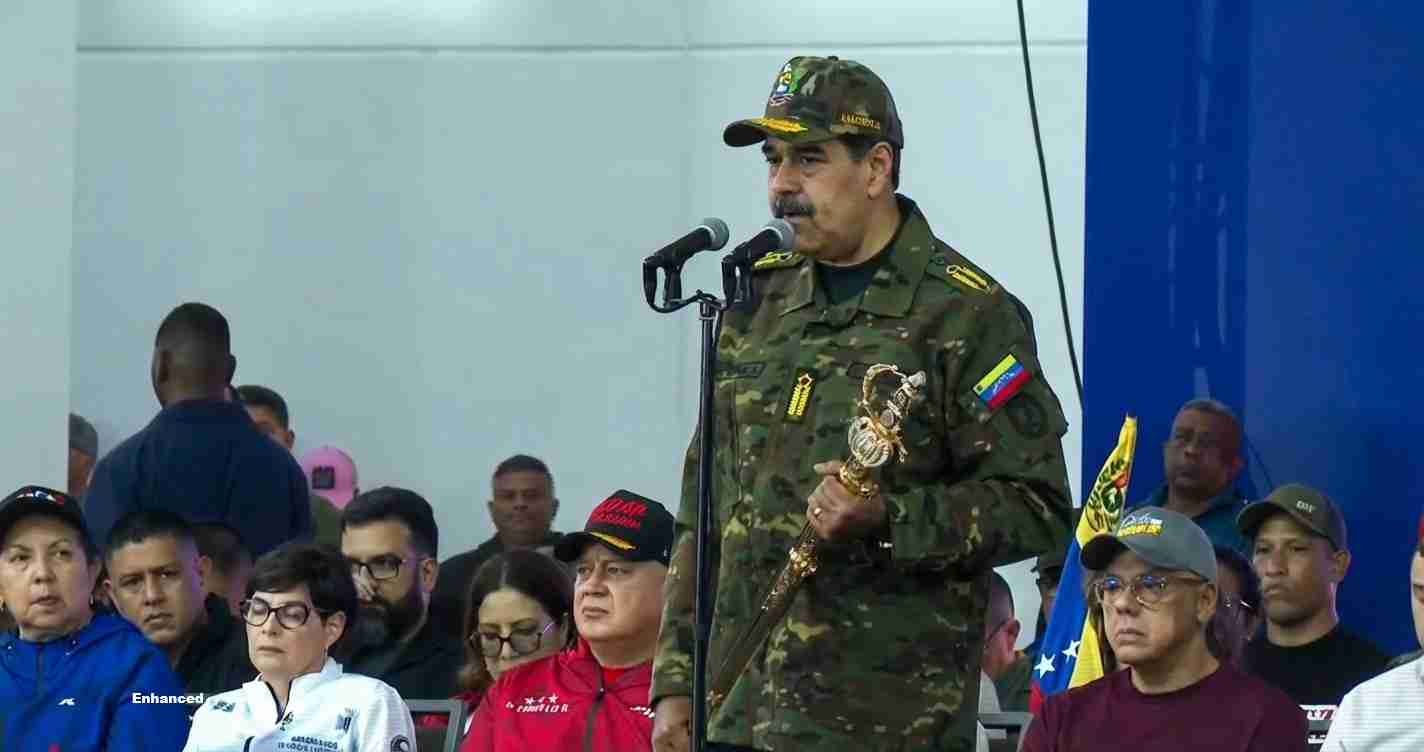
In late November 2025, President Donald Trump demanded Nicolás Maduro leave Venezuela immediately, offering safe passage for his family and allies. Talks collapsed after Maduro sought global amnesty and to retain military control; the US then closed Venezuelan airspace.
- Ultimatum offered: Trump reportedly offered guaranteed safe passage for Maduro, his wife and select allies if he resigned, according to reporting summarized by Times of India summary of Miami Herald reporting.
- Terms rejected: Maduro sought global amnesty and retention of military control — demands Washington refused (reporting summarized by Times of India summary; analysis in Fox News report).
- Escalation: After negotiations stalled the administration said Venezuela’s airspace was “closed in its entirety” and increased US forces in the Caribbean, while moving against networks tied to the regime (see Fox News report; El Mundo reporting).
What happened on the call
Multiple outlets summarizing Miami Herald reporting (via Times of India) describe a blunt late-November phone exchange. According to those accounts, Trump told Maduro: “You can save yourself and those closest to you, but you must leave the country now.”
The US offer reportedly included safe passage and asylum arrangements for Maduro, his wife Cilia Flores, and their son, plus protections for selected top allies. Officials said any immunity or safe-transfer package would be limited in time and subject to specific conditions (see confirmation reporting in Diario Libre).
Maduro’s counteroffers
Maduro’s team replied with demands that Washington deemed unacceptable. Their two core requests were:
- Global amnesty: Shielding Maduro and senior officials from prosecution for alleged crimes tied to the regime (reported in Times of India summary).
- Retention of military control: Keeping command of the armed forces even if elections were permitted — a condition critics say would preserve regime influence in any transition (see Fox News report).
Timing became a decisive sticking point: Washington pressed for immediate resignation, while Caracas sought guarantees and time. After the counteroffers were rejected, Venezuelan officials requested another call that reportedly went unanswered, signaling hardened positions on both sides.
Military moves and the airspace declaration
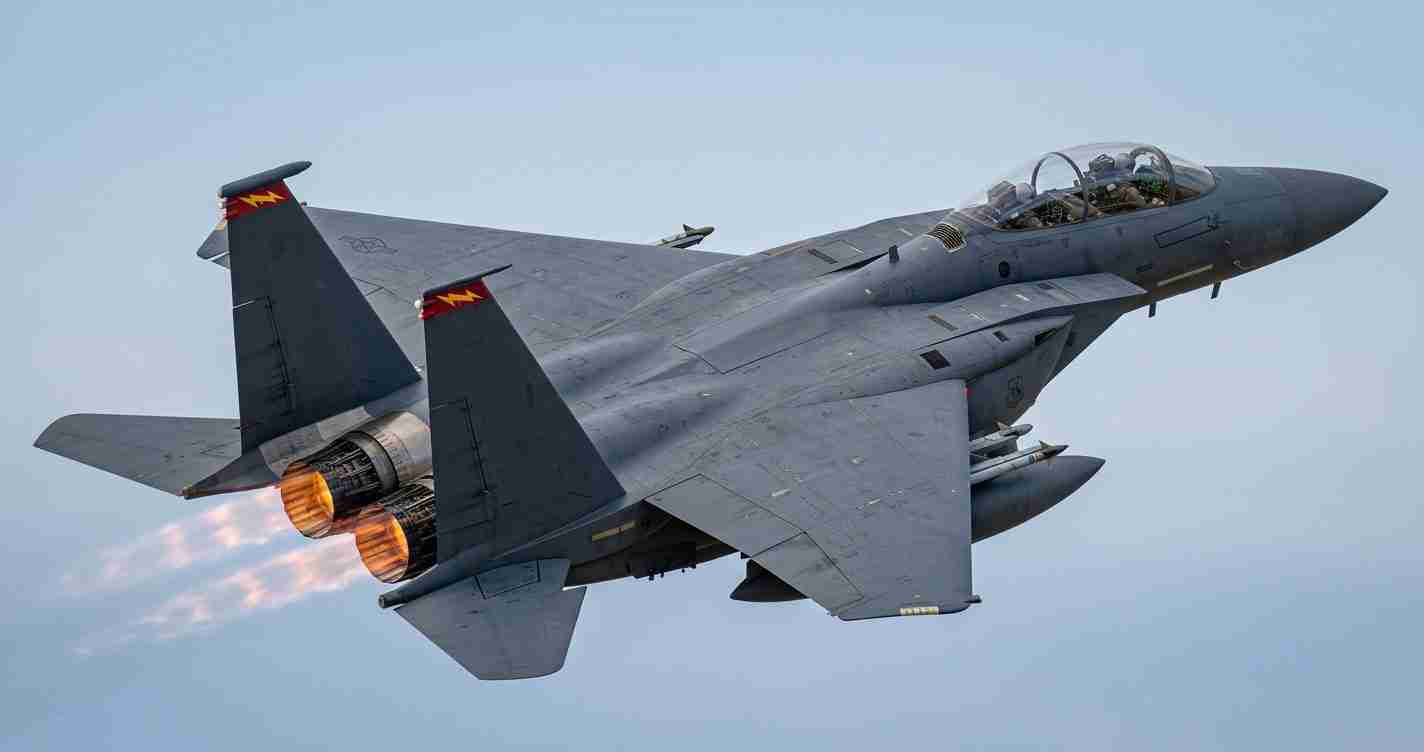
Within hours of the stalled negotiations the administration signaled stepped-up pressure. Officials declared Venezuela’s airspace closed in its entirety and boosted US forces in the Caribbean. The moves coincided with targeted operations against suspected narcotics vessels and actions against networks tied to the regime.
The administration also designated the Cartel de los Soles — an alleged trafficking network linked to elements of the Venezuelan state — as a foreign terrorist organization, a step intended to expand legal and operational options to disrupt drug flows and reduce regime revenues (reported in Fox News and El Mundo).
When pressed about imminent strikes, Trump warned reporters not to “read anything into” the airspace closure, though the action clearly signaled a readiness to use military tools if diplomacy failed.
Strategic assessments and regional context
Defense analysts told reporters Maduro’s hold on power is vulnerable: Venezuela’s armed forces are assessed to be under-equipped, aging, and lacking reliable foreign technical support. Observers note that long-time backers — Russia and Iran — appear preoccupied with other crises, and China is unlikely to offer overt backing that would change strategic calculations (analysis cited in Fox News).
Representative María Elvira Salazar publicly confirmed the call and emphasized that Maduro “knows that he has a door to leave,” noting the longstanding influence of Cuban intelligence within Venezuela’s security services (reporting in Diario Libre).
Implications for Fresno, California
Economic impact
- Trade and fuel: Disruption in Venezuela could affect global oil markets and gasoline prices, potentially raising pump costs for Fresno commuters and businesses.
- Agricultural exports: Heightened military or diplomatic activity could raise shipping costs and insurance premiums, indirectly impacting Fresno’s export-focused agricultural sector.
Political consequences
- Voter interest: National-security developments may mobilize Fresno-area voters concerned about stability, border security, and trade.
- Congressional outreach: Local representatives could face pressure to clarify positions on authorizations for force, sanctions, or humanitarian aid.
Social effects
- Refugee and immigrant communities: Fresno’s Venezuelan and broader Latin American communities may be directly affected; local aid groups could prepare for increased demand.
- Public services: Nonprofits and government agencies may need contingency plans to assist newcomers if migration increases.
Cultural relevance
Fresno residents may organize vigils, legal clinics, and information sessions. Spanish-language media and community centers will be central to outreach and support.
Practical applications for residents
- Stay informed: Follow reliable news sources and official travel advisories; register with the State Department’s travel registration if you have family in Venezuela.
- Local services: Expect community organizations to publish guidance in Spanish and English about immigration, legal aid, and ways to assist relatives.
- Economic planning: Businesses should monitor fuel-price trends and consider contingency plans for supply-chain disruptions.
Reporting notes and sources
This article draws on reporting and summaries from Times of India summary of Miami Herald reporting, Fox News report, Diario Libre coverage confirming aspects of the call, and El Mundo reporting on airspace and regional developments.
For Fresno residents seeking assistance or who have family in Venezuela, consult local consular guidance, community legal groups, and nonprofit resettlement services for up-to-date support.