California to Fast-Track Up to 2,000 New Oil Wells a Year — A Bid to Keep Firms, Jobs and Fuel Supplies in State
California is advancing controversial legislation to fast-track approval of up to 2,000 new oil wells annually, mainly in Kern County, a Newsom-backed effort intended to shore up refineries, stabilize gasoline prices and preserve regional jobs.
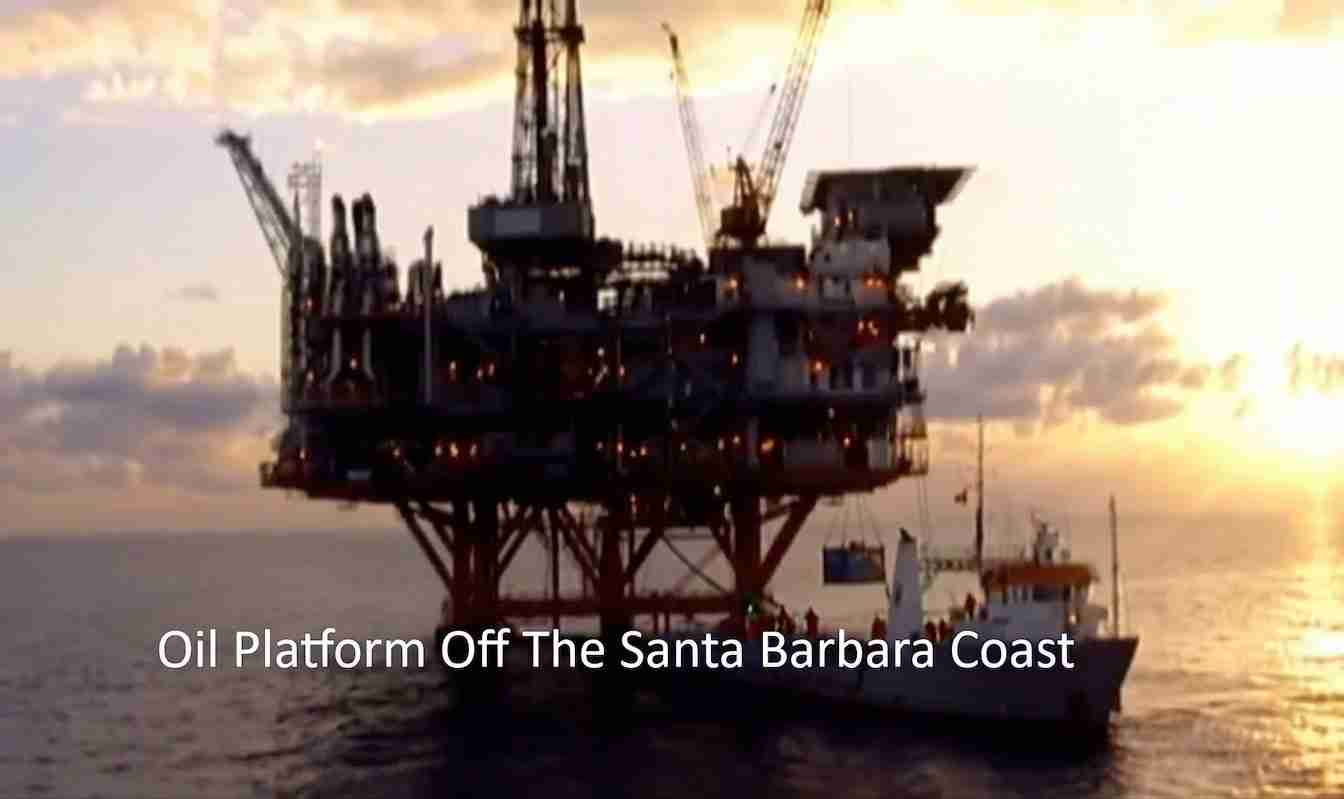
- State law would allow up to 2,000 new onshore wells per year focused in Kern County, while tightening offshore drilling limits — Los Angeles Times.
- Permitting changes would let some projects shorten or bypass parts of CEQA, prompting criticism that environmental review is being weakened — Consumer Watchdog.
- Industry says streamlining permits will help retain firms and jobs in Kern County; environmental groups warn of harms to air, water and farmland — coverage and analysis from Bry and FracTracker.
Key information
- Lawmakers and the governor negotiated Senate Bill 237 to allow up to 2,000 new wells per year in Kern County while tightening offshore drilling limits — Los Angeles Times.
- The bill would speed approvals by letting some projects bypass parts of the California Environmental Quality Act (CEQA), a change that critics say weakens environmental review — Consumer Watchdog.
- Industry leaders say the permitting changes will help keep oil and gas companies operating in California and protect jobs, especially in Kern County — Bry.
- Environmental groups warn the move risks air and water quality, farmland, and public health, and note new wells produce relatively little oil on average (about 13.5 barrels per day) — FracTracker.
What the bill does and why lawmakers say it’s needed
Senate Bill 237, negotiated by Gov. Gavin Newsom and legislative leaders as part of a broader energy package, gives statutory authority for up to 2,000 new onshore wells a year concentrated in Kern County while limiting new drilling along the coastline. Supporters frame it as a short-term measure to shore up the state’s energy system and keep refineries supplied — a response to two planned refinery closures that could remove about 20% of California’s refining capacity and stoke price volatility (Los Angeles Times).
Permitting changes and the role of CEQA
A central feature of the measure is speeding approvals by reducing the scope of CEQA reviews in some cases. Lawmakers say this can cut months or years from permitting timelines, lowering administrative burdens that have pushed producers out of California. Critics argue the change weakens community and environmental protections, raising the risk of less oversight for potential air pollution, water contamination and impacts to farmland (Consumer Watchdog).
Local ordinances and possible expansion in well counts
Beyond the state cap, Kern County officials have considered local ordinances to further streamline approvals. If courts uphold reduced environmental review standards, local moves could allow up to 2,700 wells per year. Those local efforts are already facing lawsuits and legal challenges over the adequacy of environmental review (Consumer Watchdog).
Industry reaction and permit history
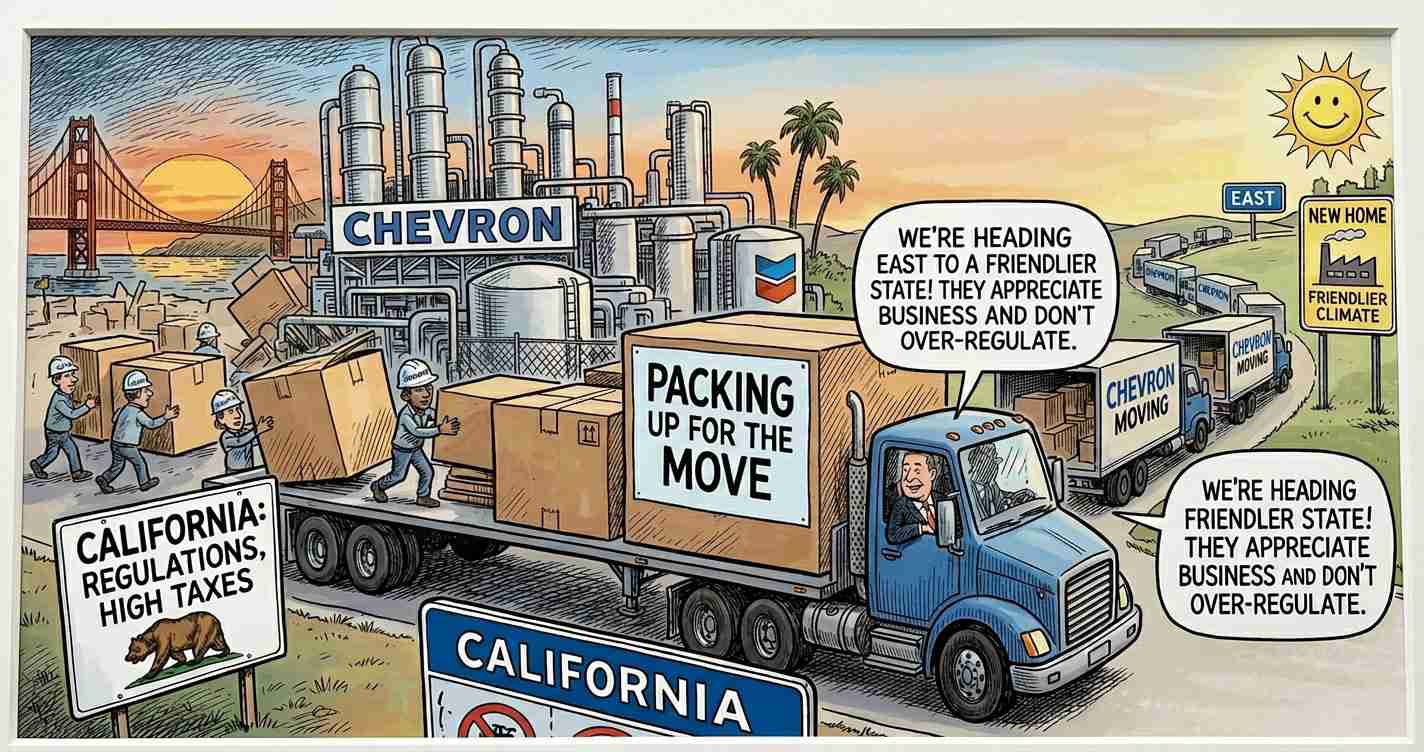
Oil production in California has trended downward amid stricter climate rules and market pressures. In the first half of 2025 only four new drilling permits were approved statewide — a steep decline from prior decades. Producers such as California Resources and Berry Corp. have expressed cautious optimism that streamlined permits will help them build inventories of approved wells and preserve jobs. Industry advocates say the changes are necessary to keep firms from relocating to more permissive states (Bry).
How much oil will new wells really produce?
An important question is the productivity of any new wells. Analysis by FracTracker finds California’s new wells average about 13.5 barrels per day. That low average raises doubts that fast-tracking thousands of low-yield wells would meaningfully blunt supply shortages or reduce gasoline prices.
Environmental and public health concerns
Environmental groups warn that opening thousands of wells quickly could harm air quality, contaminate water and damage farmland, particularly in the San Joaquin Valley where Kern County is located. Advocates say investing in low-yield drilling diverts attention and resources from long-term climate solutions like renewable energy, EV infrastructure and cleaner fuels (Consumer Watchdog; FracTracker).
Legal and political roadblocks ahead
The streamlining approach faces likely court challenges over whether reduced CEQA review meets legal standards. Consumer groups and environmental organizations have signaled plans to contest the measures in court. How judges rule will be a major determinant of whether the policy shift takes full effect. Lawmakers have described the trade-off as a “bitter but necessary pill” to stabilize fuel markets short-term while pursuing clean-energy goals long-term (Los Angeles Times).
Implications for Fresno, California
Economic impact: Fresno sits in the San Joaquin Valley and is economically linked to Kern County. Increased activity in Kern could ripple north with jobs in trucking, equipment supply and refinery services, though most direct drilling work will remain centered in Kern (Bry; Los Angeles Times).
Political consequences: Fresno leaders will face trade-offs: some may welcome steps to stabilize fuel prices and protect jobs; others will side with environmental advocates concerned about air quality and public health. The debate could shape local elections and policy priorities (Consumer Watchdog).
Social and health effects: The San Joaquin Valley already has severe air pollution. Faster permitting and more wells in nearby Kern County could worsen ozone and particulate levels affecting children, the elderly and people with respiratory illness. Public health officials and community groups are likely to demand monitoring and stricter controls.
Impact on agriculture and water: Fresno’s agricultural sector depends on clean air and water. Critics warn of groundwater and farmland risks from spills or leaks; farmers and water managers may press for stronger safeguards (Consumer Watchdog).
Practical effects for residents: The policy aims to stabilize gasoline supply and limit price spikes tied to refinery closures. Fresno drivers could see more stable pump prices if refinery capacity is preserved and distribution holds — but gains are uncertain given low average output of new wells (FracTracker).
Cultural and community considerations: Communities may divide between those prioritizing jobs and lower fuel costs and those prioritizing clean air, public health and climate goals. Local leaders will need to balance these competing values in public forums and land-use decisions.
What Fresno officials and residents can watch for
- Court rulings on CEQA changes that affect the speed of approvals — Consumer Watchdog.
- Actual production data from new wells to see if they materially change statewide supplies — FracTracker.
- Local permitting moves in Kern County that could increase well counts beyond the state cap and the outcome of related legal challenges — Consumer Watchdog.
- Public health monitoring reports for air and water quality in the San Joaquin Valley if drilling activity rises — Consumer Watchdog.