
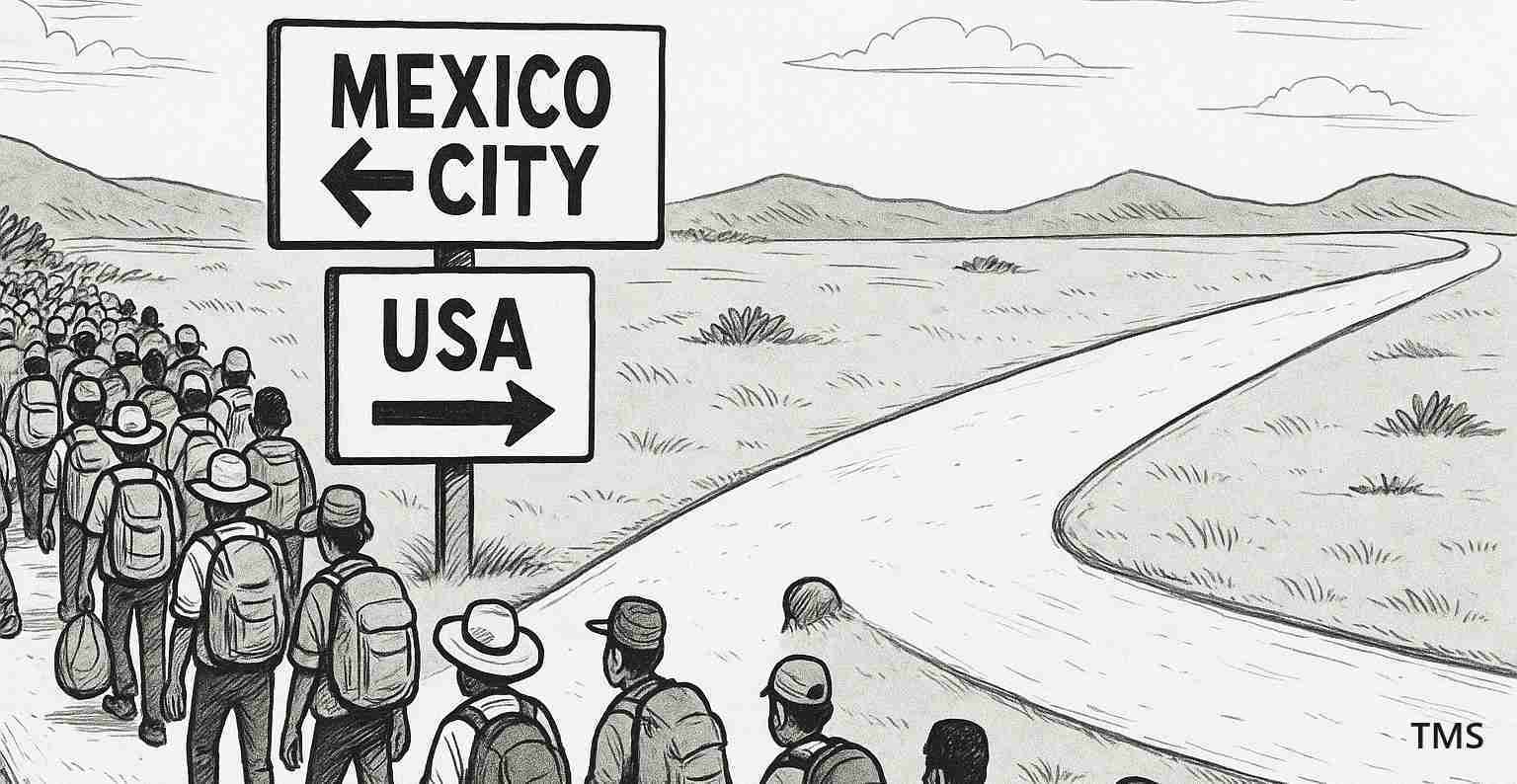
Cuban-led caravan of about 1,200 heads to Mexico City as Trump-era rules push migrants to stay in Mexico
A caravan of roughly 1,200 migrants — led largely by Cubans — left Tapachula, Chiapas, bound for Mexico City instead of the U.S. border, a move driven by tightened U.S. asylum rules and deteriorating conditions in southern Mexico.
- About 1,200 migrants, mainly Cubans, departed Tapachula and are traveling toward Mexico City rather than the United States.
- Organized via social media and encrypted apps to demand faster, less corrupt asylum processing and to share logistics.
- Shift reflects policy impact: Analysts link the change to tougher U.S. immigration measures that make Mexico a potential final destination.
Caravan makeup and route
The caravan departed Tapachula, a city in Chiapas near the Guatemala border where thousands of asylum seekers have long been stuck. The group — roughly 1,200 people — plans to walk hundreds of kilometers to Mexico City, enduring heat, hunger and the hazards of highways and rural roads.
Composition: while predominantly Cuban, the caravan includes migrants from Nicaragua, Venezuela, Honduras, Ecuador, Brazil and Haiti, among others.
Officials and aid groups say the march is a response to poor conditions in Tapachula, where shelters are crowded, work is scarce and waits for paperwork are lengthy.
Why migrants are choosing Mexico City
Migrants told monitors and reporters they no longer view the United States as reachable or welcoming given tougher U.S. immigration policies, increased removals and procedural barriers. Many said they seek jobs and legal status in Mexico rather than risking blocked or dangerous northern routes.
“And why would I want to go to the United States? They hate us there!” — a migrant quoted by rights monitors, reflecting fear and frustration.
Analysts attribute the route change to policy shifts under the Trump administration that tightened asylum access and increased removal actions, altering regional migration flows and making Mexico a possible final destination.
Organization, advocacy and protest
The caravan carries a clear political message: migrants are using the march to pressure Mexican authorities for faster processing, less corruption and clearer paths to residency. Organizers coordinated through WhatsApp and other social platforms to share routes, shelter locations and legal advice.
Human rights groups describe the caravan as both a protest and plea for attention to broken systems in southern Mexico.
Obstacles and abuses in Tapachula
Tapachula has become a de facto holding area for migrants: cramped shelters, limited work opportunities and long waits for paperwork. Reports from local and international groups document extortion and corruption, with some intermediaries demanding bribes to speed asylum or residency applications.
Those conditions are a primary push factor driving migrants to risk the long journey to Mexico City.
Security and government response
Mexican authorities have deployed police and security forces to monitor and protect the caravan along highways. Advocacy groups are urging improvements in humanitarian support and asylum-system reforms to reduce exploitation and delays.
Media reporting and visuals
News outlets and rights organizations have tracked the march with video and images showing migrants walking with belongings and, at times, escorted by police vehicles. Coverage highlights the unusual size of the caravan and its Cuban leadership.
Wider implications for migration in the hemisphere
Experts say the caravan demonstrates how U.S. immigration policy reshapes regional migration. By restricting asylum access and increasing removals, policies push people to reconsider Mexico as a destination rather than a mere transit route.
Possible next steps for migrants
- Some may try to regularize status in Mexico City; others could relocate to Mexican cities with more jobs (e.g., Monterrey).
- A limited number may pursue legal routes to Canada or EU states, though those options are difficult and constrained.
Implications for Fresno, California
Economic impact
- Labor market: Fresno’s agriculture, food processing and service sectors rely on immigrant labor; fewer migrants reaching the U.S. could tighten labor supply and affect seasonal hiring.
- Remittances & local business: Changes in migration routes may alter remittance patterns and reduce disposable income flowing to Fresno-area businesses serving migrant families.
Political consequences
- Local politics: Shifts may influence debates on worker recruitment, sanctuary policies and support services.
- State and federal advocacy: Fresno officials may press for federal reform, stressing cross-border effects of U.S. policy.
Social effects
- Community services: Nonprofits, legal aid and faith groups may need to shift focus from intake to long-term stabilization and integration.
- Family separation & mental health: Prolonged uncertainty for relatives in Mexico could increase demand for counseling and immigrant support.
Practical applications for residents
- Employers: Monitor labor availability; consider retention and local recruitment strategies.
- Service providers: Update resources and outreach if fewer migrants reach the U.S. and more remain in Mexico.
- Local government: Review workforce contingency plans and pursue partnerships for immigrant integration.
Reporting and sources
This report draws on coverage from multiple outlets and human rights organizations documenting the caravan and the policy context shaping it. Full source list:



