
DC curfew ends as spring-break “teen takeovers” return; Navy Yard juvenile gathering reignites debate over enforcement
Washington D.C.’s authority to create temporary juvenile curfew zones expired April 15, 2026, as spring-break “teen takeovers” returned — raising concerns about unsanctioned Navy Yard crowds and renewed debate over police enforcement.
- Temporary curfew authority expired: The Juvenile Curfew Second Temporary Amendment Act of 2025 lapsed on April 15, 2026.
- Citywide curfew remains: A separate citywide curfew still bans gatherings from 11 p.m. to 6 a.m.
- Navy Yard incident: Viral video showed hundreds of teens after hours; police dispersed crowds with no arrests in the curfew zone, while four arrests were made nearby at Waterfront Metro.
- Policy debate: Supporters want an emergency extension for targeted enforcement; critics call for youth services and regional solutions instead.
What happened at Navy Yard
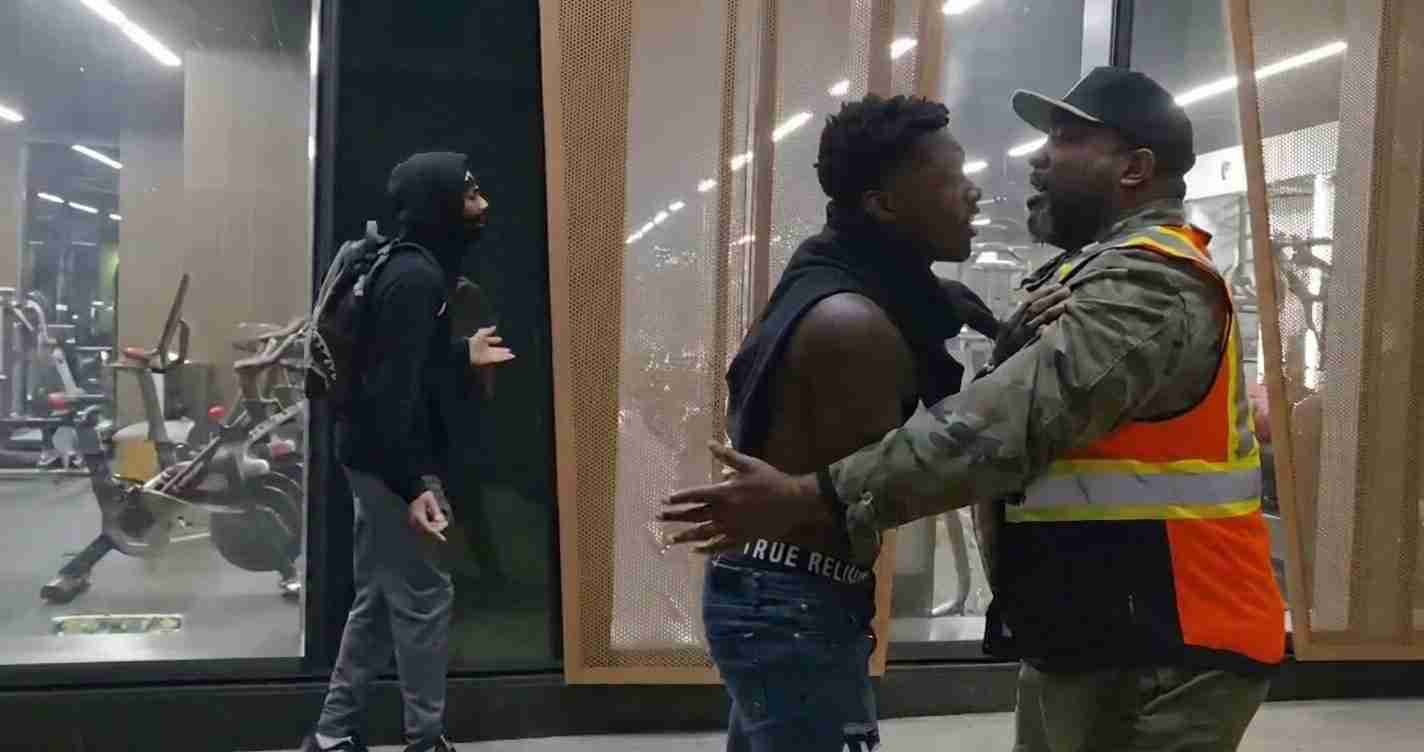
Video shared by activist Elissa De Souza on X showed dozens — and in some clips, hundreds — of young people crowding a busy Navy Yard intersection during the weekend of April 11–12, 2026. “What should’ve been a great night out in Navy Yard turned into something we’re seeing far too often,” De Souza wrote on X about the gathering.
Police said some attendees briefly engaged in disorderly conduct, but officers in the temporary curfew zone made no arrests and the crowds dispersed without reported incident. Separately, Metro Transit Police made four arrests at the Waterfront Metro Station, which sits outside the temporary juvenile curfew zone; officials did not immediately release details about those arrests.
How the curfew worked and what ends with the law
The temporary amendment allowed the MPD chief to declare juvenile curfew zones in areas where large, unsanctioned gatherings were expected or occurring. In practice, those zones typically banned groups of nine or more people under 18 from gathering during evening hours — for example, an 8 p.m. to 11 p.m. restriction in Navy Yard over a spring-break weekend.
With the temporary amendment expired on April 15, 2026, police no longer have that specific authority to declare limited juvenile curfew zones. The Mayor’s office and some councilmembers contend the tool provided targeted flexibility to respond to planned teen takeovers and similar public-safety threats.
Legislative push to extend the law
Councilmember Brooke Pinto proposed an emergency extension that would have kept the curfew power in place through Sept. 25, 2026, aiming to cover summer months when gatherings can spike. Pinto’s office said the measure would give the MPD the ability to declare temporary juvenile curfew zones when they have intelligence on planned teen takeovers.
The City Council planned a vote on April 21, 2026 to consider a new extension; details on the vote were reported by WTOP.
“We think we need [the law] now,” Mayor Muriel Bowser said, calling it “a tool” that has been “effective” alongside other tactics.
Enforcement patterns, penalties and data
MPD records show about 280 juvenile curfew violations over the past two years — 279 in the prior year and one so far this year — with no arrests tied directly to those violations, according to reporting by WJLA. Typically, officers take violators to a station for parental pickup; juveniles can face community service up to 25 hours and parents face potential fines up to $500 under curfew rules.
Interim Police Chief Jeffery Carroll told reporters the department will emphasize a visible presence in hotspots and focus on dispersing large groups rather than mass arrests — aiming to deter dangerous behavior while using other tools as needed (WTOP).
Critics say curfews miss root causes and may target youth of color
Community groups argue juvenile curfews are blunt instruments that do not address why teens gather. The Pan-African Community Action (PACA) said the law “targets Black working-class youth in Wards 7 and 8” while leaving intact the conditions that harm communities.
Advocates also note that many teens at D.C. events travel from Maryland and Virginia, limiting the curfew’s reach and highlighting a need for regional cooperation and more youth programs (WTOP). Service providers and some lawmakers urged investments in recreation, jobs, and transportation to give teens safer options.
Pattern of teen takeovers and safety risks
The Navy Yard gatherings follow a pattern of unsanctioned, viral events across the city in recent months. On April 4, 2026, for example, a large teen brawl was filmed in D.C. streets and reported by Noticias Fox; in another incident a teenager was arrested for brandishing a knife during a fight, an episode captured on video (YouTube).
Lawmakers and police point to the spread of video-driven gatherings as a cause: viral posts on social apps can quickly draw large crowds to popular spots like the Navy Yard waterfront, creating conditions where disorder and danger can escalate (Fox News).
Reporting sources and transparency
This article draws on public reporting and social posts from:
- Noticias Fox (Fox News Spanish)
- Fox News: “Watch rowdy teenagers swarm D.C. Navy Yard”
- WTOP reporting on curfew debates
- WJLA I-Team investigation into curfew violations
- Archived video of a related incident
Implications for Fresno, California
Fresno leaders, merchants, schools and advocacy groups can watch D.C.’s experience for lessons and consider proactive, equity-focused approaches:
- Public safety and event planning: Downtown business owners and city officials should plan supervised activities during school breaks and coordinate with police to reduce disruption and security costs.
- Youth services and prevention: Invest in supervised recreation, job programs and transportation during spring and summer to offer alternatives to unsanctioned gatherings.
- Equity and policing concerns: Ensure community input, transparent enforcement data and safeguards against unequal application — D.C. critics warned curfews can disproportionately affect Black youth.
- Regional coordination: Because events draw youth across borders, Fresno-area jurisdictions should consider regional information-sharing and coordinated responses.
- Practical steps for parents and schools: Communicate rules, safe rides and supervised alternatives; monitor social media trends that can spur meet-ups.
- Economic and reputational stakes: Protect downtown commerce by promoting family-friendly programming and supervised teen activities that reduce visible disorder.
Relevant reporting and source material: Noticias Fox; Fox News; WTOP; WJLA; YouTube clip.



