
Inside “Little Mogadishu”: How Cedar–Riverside’s Somali community faces fraud allegations and political attacks
In Minneapolis’s Cedar–Riverside — known as “Little Mogadishu” — Somali Minnesotans maintain vibrant cultural, religious and business life while facing contested allegations of welfare and immigration fraud and political attacks that residents call misleading and activists urging careful reporting.
- Historic immigrant hub: Cedar–Riverside hosts one of the largest Somali enclaves in the U.S., visible in shops, mosques and street life.
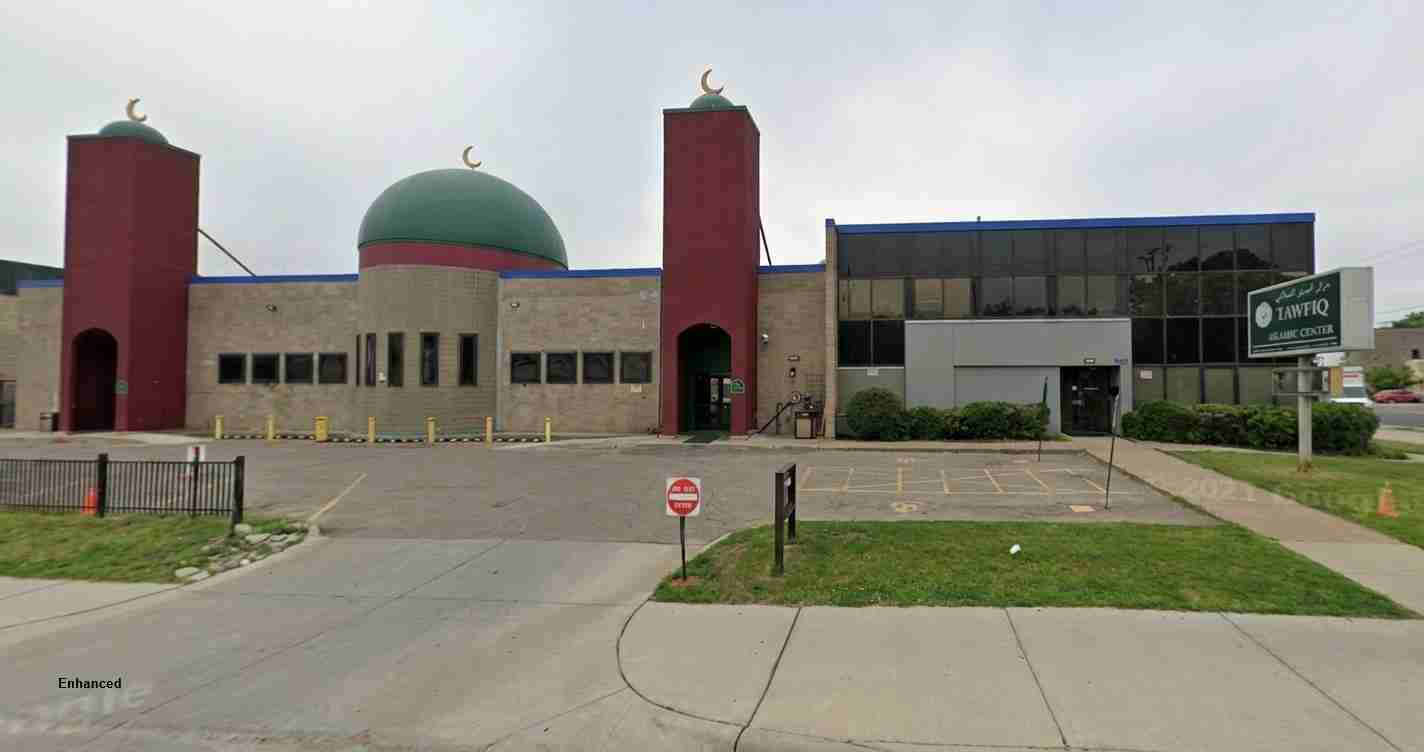
- Mixed on-the-ground portrait: Reports describe both thriving businesses and signs of urban wear, with mosques and community centers increasingly central.
- Contested allegations: National coverage highlights welfare and immigration fraud claims and political attacks — notably from Donald Trump — that community leaders call disproportionate.
- Local response and wider implications: Residents stress daily contributions and warn of spillover effects for other cities like Fresno, California.
Setting: Cedar–Riverside, “Little Mogadishu”
Cedar–Riverside sits just south and west of downtown Minneapolis and has evolved over decades from Scandinavian and arts roots to a prominent immigrant neighborhood where Somali culture is highly visible. Locals and visitors commonly call the area Little Mogadishu, a nickname that reflects the density of Somali-owned shops, mosques and community institutions. For a summary overview, see Cedar–Riverside, Minneapolis — neighborhood overview.
On the ground: what reporters saw
Fox News Digital coverage reprinted at WHMI described Cedar–Riverside as a mix of visible decline and active community life: faded apartment towers and shuttered storefronts alongside steady Somali restaurants, corner markets and converted community spaces used as mosques and centers. A related news clip is available as a Fox News video segment.
Reporters noted the sound of the call to prayer and groups gathering for Friday worship as central features of neighborhood life, and observers pointed to rising religious infrastructure compared with the 1990s — a sign of community growth and changing local institutions.
Community life, jobs and integration
Residents and advocates provide a fuller picture: Somali Minnesotans work in nursing, trucking, factories and small business ownership. Local hubs such as Karmel Mall illustrate Somali entrepreneurship that anchors jobs and services. Supporters emphasize that most families are law‑abiding and focused on work, school and family life.
Generational differences shape identity: elders may speak less English and observe traditional practices, while younger Somali Americans are often fluent in English, active in pop culture and civic life, and increasingly visible in local politics.
Politics and local representation
Cedar–Riverside shows visible political engagement. Yard signs and local campaigns have promoted Somali American candidates, and the neighborhood has produced nationally known figures — most notably Rep. Ilhan Omar — making the area a focal point for national debate over immigration, refugees and integration.
The cloud of fraud allegations
A central theme in national coverage is what reporters call a “cloud of fraud” tied to welfare and immigration controversies. Coverage often centers on alleged misuse of public benefits (childcare subsidies, pandemic relief) and claims about immigration practices; many reports note that cited cases involve networks or specific individuals rather than proof of widespread community fraud.
Two commonly discussed accusations
- Welfare and benefits fraud: Public debate in Minnesota has spotlighted alleged exploitation of programs such as childcare subsidies and pandemic relief, though reporting often emphasizes a limited number of cases.
- Immigration and “chain migration” allegations: Critics, including former President Donald Trump, have accused Somalis of exploiting family reunification or refugee systems — claims that are politically charged and not established as systemic fraud across the community.
Trump’s attacks and the Ilhan Omar allegation
Fox’s reporting notes repeated attacks from Donald Trump linking Minnesota’s Somali population to national concerns about crime, terrorism and fraud. One widely circulated accusation alleges that Rep. Ilhan Omar married her brother as part of an immigration scheme; Omar denies this and has called it a racist smear. Fact‑checking organizations and court records cited in various reports have not produced definitive proof of the claim — the allegation remains disputed and politically charged.
“A few headline cases get outsized attention,” community leaders say, urging careful reporting that distinguishes individual wrongdoing from the broader community.
Local voices respond
Community leaders and residents push back against what they call an unfair picture. They emphasize everyday contributions — work, family and civic participation — and warn that national headlines can distort perceptions. Young people interviewed by reporters stress ordinary concerns such as jobs, school, music and identity over political extremes.
Broader debate: culture, change and backlash
Cedar–Riverside has become symbolic in debates about refugee admissions, Muslim integration, welfare policy and “law and order” rhetoric versus anti-discrimination work. Some residents see their culture reshaping parts of Minnesota once known for Scandinavian churches and artists; others view those changes with anxiety. Both perspectives use the neighborhood as evidence in larger political arguments.
Implications for Fresno, California
Economic impact: Fresno’s economy relies on immigrant labor in agriculture, food processing and services. National stories about fraud can influence local policy debates and public opinion about aid and employment.
Political consequences: Moderates and local leaders in Fresno may respond to national rhetoric with calls for stricter verification or with inclusionary platforms that highlight immigrant contributions.
Social effects: Somali and Muslim communities in Fresno could face heightened scrutiny; schools and community groups may need more outreach, translation and civics programming.
Practical applications: City agencies and nonprofits should prepare clear public communications on assistance eligibility and anti-fraud measures, and coordinate law enforcement and social services to avoid stigmatizing whole communities.
Sources and further reading
- Fox News Digital coverage reprinted at WHMI
- Fox News video segment
- Cedar–Riverside, Minneapolis — neighborhood overview
Reporting note: The coverage reviewed shows a neighborhood that is simultaneously a place of worship, business and family life and a flashpoint in national politics. Residents and leaders urge that reporting separate verified facts from politically charged allegations.



