
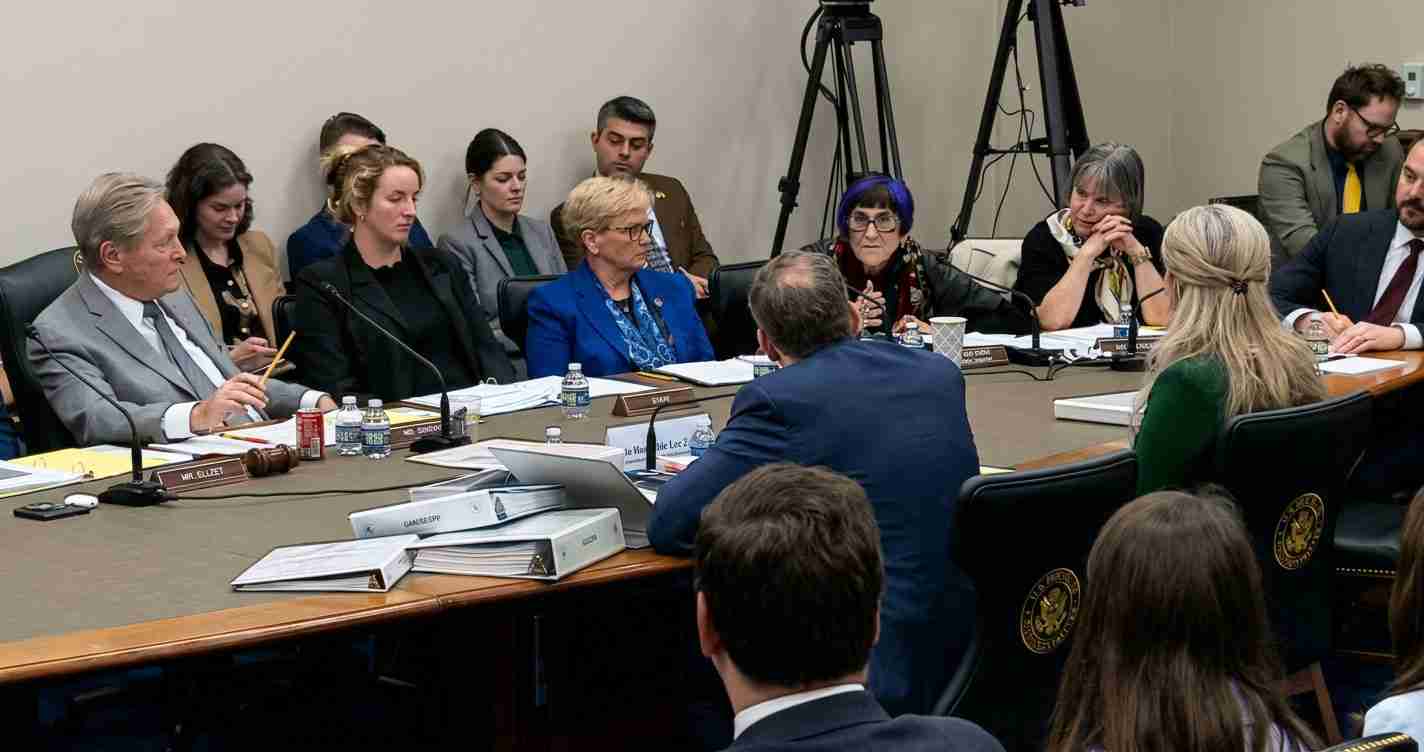
DeLauro and EPA’s Lee Zeldin clash over climate, Loper Bright and steep 2027 budget cuts
A fiery congressional hearing on April 28, 2026, pitted Rep. Rosa DeLauro against EPA Administrator Lee Zeldin over President Trump’s proposed 2027 EPA budget — including steep cuts and debate over climate duties and legal limits after Loper Bright.
Key takeaways
- Budget fight: The Trump administration’s 2027 EPA request proposes cuts of more than 50%, threatening programs that monitor air and water and enforce pollution rules (Fox News).
- Legal limits cited: Zeldin invoked the Loper Bright Supreme Court decision and the “major questions” doctrine to argue agencies have reduced authority.
- Sharp exchange: Rep. DeLauro said the proposal “reads like a climate change denier’s manifesto,” while Zeldin called questions about legal constraints a matter of precedent (Video; Video).
- Local stakes: Fresno and the San Joaquin Valley could face tangible harms — less monitoring, fewer grants and higher public-health burdens if cuts proceed.
The hearing
The clash unfolded during Administrator Lee Zeldin’s testimony on the EPA’s 2027 budget request, which asks Congress to cut more than half of the agency’s funding. That proposal would sharply reduce the EPA’s workforce and critical programs that monitor air and water quality, enforce pollution rules, and address environmental health risks (Fox News).
Rep. Rosa DeLauro, the ranking member on the House Appropriations Committee, opened by challenging the framing and priorities of the budget request. She warned the proposal ignored health and safety impacts from climate change, saying the document “reads like a climate change denier’s manifesto”, and pressed how the EPA could justify stepping back as flooding, poor air quality and related health costs rise (Video).
Zeldin’s reply and the Loper Bright reference
Administrator Zeldin countered that recent Supreme Court rulings have narrowed agency authority. He named Loper Bright as a pivotal case reshaping the legal landscape and cited other decisions tied to the so‑called “major questions” doctrine, arguing major regulatory steps must come from Congress rather than agencies (Video; Fox News).
“You’re upset that you don’t know what Loper Bright is… You’re a member of Congress. You should know,” Zeldin told DeLauro, then offered to name the “two biggest Supreme Court cases” of recent years as part of his rebuke (Video).
DeLauro’s climate defense and sharp exchange
DeLauro pushed back forcefully, saying the EPA could not act as if climate change “does not exist” and accusing the administration of being defensive and hostile to scientific evidence. She warned that cutting EPA funding would leave communities less able to respond to climate-driven flooding and air threats and would increase health care costs tied to pollution and extreme weather (Video).
The hearing captured tense moments — including a sharp remark from DeLauro suggesting Zeldin “drink weed killer” — and interruptions. Zeldin at one point called DeLauro “uninformed” while pointing to legal limits on agency action and referencing Section 202 of the Clean Air Act in his defense (Video).
Viral aftermath and partisan reaction
Clips of the exchange circulated widely online the same day. Conservative commentators praised Zeldin for “stumping” DeLauro and highlighting legal precedent; Fox News ran segments emphasizing the argument about agency power (Fox News; Video segment).
Democrats and climate advocates countered that the hearing highlighted what they see as the real stakes: fewer pollution monitors, reduced enforcement, and weaker protections for vulnerable communities. They warned legal arguments should not serve as a cover for rolling back public‑health protections (Video).
Broader legal and policy context
Zeldin’s references to Loper Bright and related rulings point to a larger shift in administrative law many scholars are still parsing. Supporters argue recent decisions limit agency deference and require Congress to make big policy choices. Critics say those changes hamper agencies’ ability to respond rapidly to scientific findings and emerging threats without new legislation (Analysis and clips; Fox News).
The debate connects legal doctrine to funding: the administration maintains that narrowed judicial scope supports a smaller, narrower EPA; opponents warn that reduced authority and funding will translate into fewer protections for air and water and less capacity to address climate impacts.
Sources and recordings
Implications for Fresno, California
Economic impact: Fresno and the San Joaquin Valley depend on agriculture and industries sensitive to air and water quality. Large EPA cuts could reduce federal support for monitoring and enforcement, increasing costs for farmers and local governments and risking gaps in data used for planning and response.
Political consequences: Local leaders — from city hall to county supervisors and federal delegation members — may be forced to fill funding gaps or lobby Congress. Moderate residents could view the debate as a choice between tighter federal budgets and practical protections for children’s asthma rates and farmworker health.
Social effects: Reduced EPA capacity could worsen health disparities in Fresno County, which already faces high asthma hospitalization rates among children. Less enforcement and slower responses to pollution events could disproportionately affect low-income neighborhoods and communities of color.
Cultural relevance: Environmental protection ties to everyday life in Fresno — from outdoor recreation to the viability of farms. Policy shifts that limit EPA action may feel abstract in Washington but be tangible locally when wildfire smoke, water-quality problems or contamination threaten wells and crops.
Practical actions for residents:
- Monitor congressional action on the EPA budget and contact members of Congress to express priorities.
- Engage with state agencies and local officials to explore backstop funding or programs.
- Advocate for targeted grants and programs that preserve air‑quality monitoring, clean‑water projects and support for cleaner farming practices.
Complete sources and recordings are linked above for verification and review.



