
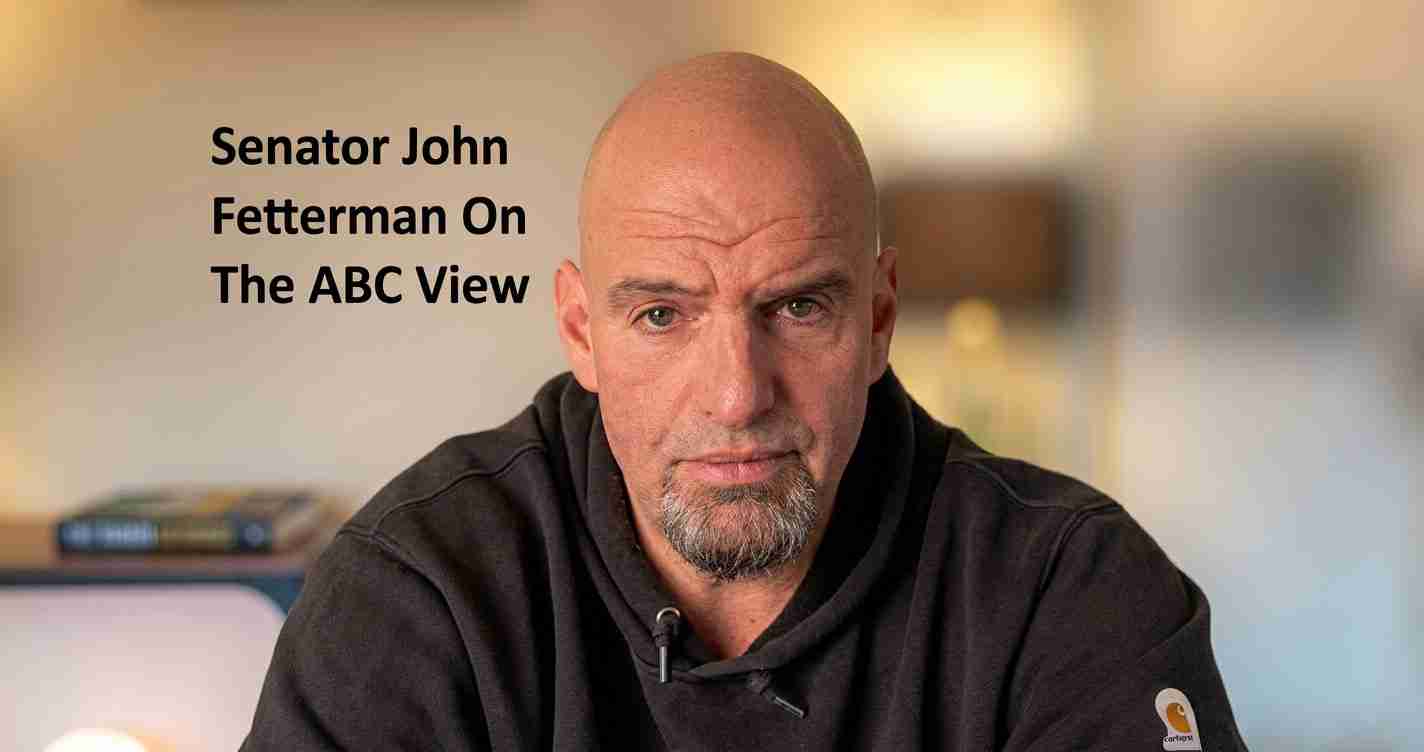
Shapiro presses Fetterman to “get back” to Democratic work as rift deepens in Pennsylvania party
Governor Josh Shapiro has publicly urged Senator John Fetterman to “get back to what he was elected to do,” after Fetterman’s memoir Unfettered and cross‑party votes intensified a longstanding rift within Pennsylvania’s Democratic Party and national attention.
- Shapiro publicly urged Fetterman to refocus on his Senate duties during an interview on CNN.
- Fetterman’s memoir, Unfettered, released in November 2025, details a bitter falling-out and says the two “no longer speak” — coverage summarized by Axios.
- Fetterman voted with Republicans roughly 26% of the time in 2025, including advancing DHS nominee Markwayne Mullin — vote data tracked at GovTrack.
- National Democrats have criticized Fetterman’s actions, including public rebukes from figures like Malcolm Kenyatta and coverage in Politico.
Shapiro’s rebuke on national TV
On CNN with Jake Tapper, Shapiro said he was frustrated by the mixed signals and reminded viewers that Pennsylvanians elected a Democrat to the U.S. Senate. “Look, I don’t know what Sen. Fetterman is going to do,” Shapiro told Tapper, urging Fetterman to “honor that and continue with his service to Pennsylvania, and, hopefully, get back to what he was elected to do and reflect the will of the people.”
Shapiro has also pressed Fetterman for public explanations in interviews and on podcasts. On the Talk Easy podcast with Sam Fragoso, Shapiro said, “I’ve got no beef with John but… John’s got a lot of questions that I think he needs to answer for the people of Pennsylvania.” He declined to say whether he would endorse Fetterman for a potential 2028 run, telling reporters the senator must first decide whether he will run (reporting by Politico).
What Fetterman wrote in Unfettered
In Unfettered, Fetterman attributes much of the rupture to longstanding disputes with Shapiro, saying their relationship “deteriorated into an ugliness from which we never recovered.” The book devotes chapters to their feud and traces part of the conflict to disagreements over the state Board of Pardons, where Fetterman pushed for clemency while Shapiro took a more cautious approach (Axios).
Fetterman recalls a hot‑mic moment in which he called Shapiro a “f***ing a**hole” during a tense Zoom meeting about clemency decisions — an anecdote that helped bring private tensions into the public record.
The memoir blends sharp critique and moments of conciliation: Fetterman acknowledges philosophical disagreements and admits Shapiro “acted according to his convictions,” even as he frames some actions as political calculation. Unfettered also covers Fetterman’s stroke recovery, staff turnover, and shifting positions on national issues (Axios).
Fetterman’s votes and party frustration
Fetterman’s independent voting in 2025 — roughly one in four votes aligning with Republicans by some trackers — alarmed many Democrats. Notable actions included being among the few Democrats to advance President Trump’s DHS pick, Markwayne Mullin, and siding with Republicans to end a government shutdown fight. Vote readers and trackers such as GovTrack reflect those alignments.
Party leaders made their displeasure public. DNC Vice Chair Malcolm Kenyatta called Fetterman “a mess” on X and accused him of attacking constituents; House Minority Leader Hakeem Jeffries criticized Fetterman’s response to the war in Iran on Politico and on television. Those rebukes indicate broader discomfort within the party.
Differing accounts of whether they still speak
Fetterman writes in Unfettered that the two “no longer speak,” but Shapiro has pushed back. In January 2026, Shapiro said they had met recently with others on an issue and posted a short video asserting, “We’re good.” Video clips and context for that comment are available via YouTube.
A timeline of the rift
- Early 2010s: Fetterman supports Shapiro’s rise but grows wary of his ambition.
- Mid‑2010s: Board of Pardons clashes — including the Horton brothers case — strain the relationship (Axios).
- 2022: Fetterman wins the Senate seat after his stroke recovery; relationship remains cool.
- Nov. 2025: Unfettered is released and brings private disputes into public view (Axios).
- 2025–2026: GOP‑aligned votes and public comments prompt criticism from Shapiro and national Democrats (Politico).
Why this matters in Pennsylvania and beyond
Pennsylvania is a top swing state whose voters have shaped recent presidential outcomes. A public split between two leading Democrats risks confusing voters, weakening party unity ahead of the 2026 midterms, and complicating any 2028 calculations — especially given both figures’ potential national ambitions (Politico).
Implications for Fresno, California
Economic impact: Direct impact on Fresno is limited — this is a Pennsylvania dispute — but national political fights can shift donor attention and fundraising. If the rift draws national focus, Democratic donors and organizers might redirect resources away from competitive California races (Politico).
Political consequences: Fresno voters often favor pragmatic governance. Public fighting between major Democrats may feed narratives of division and could benefit moderates or independents who emphasize unity and steady leadership. Local officials may emphasize problem‑solving over national squabbles (CNN).
Social effects: National disputes can deepen voter cynicism and distract from policy work. Fresno civic leaders and nonprofits that rely on state or federal partnerships may worry about attention and funding shifts if national Democrats appear divided (Axios).
Cultural relevance: Many Fresno voters prize pragmatic leadership. The narrative of two prominent Democrats clashing may resonate with constituents who prefer problem‑solving over partisan theater and influence local political messaging (Politico).
Practical applications for residents: Expect more national headlines and potentially fewer clear signals from some Democratic leaders. Local campaigns and civic groups should prepare for shifting volunteer and funding flows and press leaders on how national splits affect local services such as wildfire response, housing, and health care (Axios).
Sources and further reading
- Axios coverage on John Fetterman and his memoir Unfettered
- Politico reporting on Shapiro, Fetterman and related interviews
- The Philadelphia Inquirer search results for Fetterman and Shapiro reporting
- CNN coverage and interviews with Josh Shapiro
- GovTrack and other vote‑tracking resources for congressional voting records
- Malcolm Kenyatta on X
- Video clips and public statements, including Shapiro “We’re good” remark



