Iran’s “water bankruptcy” deepens: UN expert warns drought and mismanagement could weaken regime and even its nuclear program
Iran faces its worst water crisis in decades — prolonged drought, pervasive mismanagement and severe groundwater depletion threaten daily life, the economy and even critical state projects, including parts of the national nuclear program, unless urgent reforms and rainfall arrive.
- Record drought and low reservoirs: key dams and snowpack are at historic lows, prompting emergency restrictions (source).
- Groundwater collapse: decades of overpumping have caused subsidence and damaged infrastructure (source).
- National risk: UN analysts warn shortages could strain state capacity and affect projects that need steady water and power, including parts of the nuclear program (source).
Severity of the crisis: record drought and low reservoirs
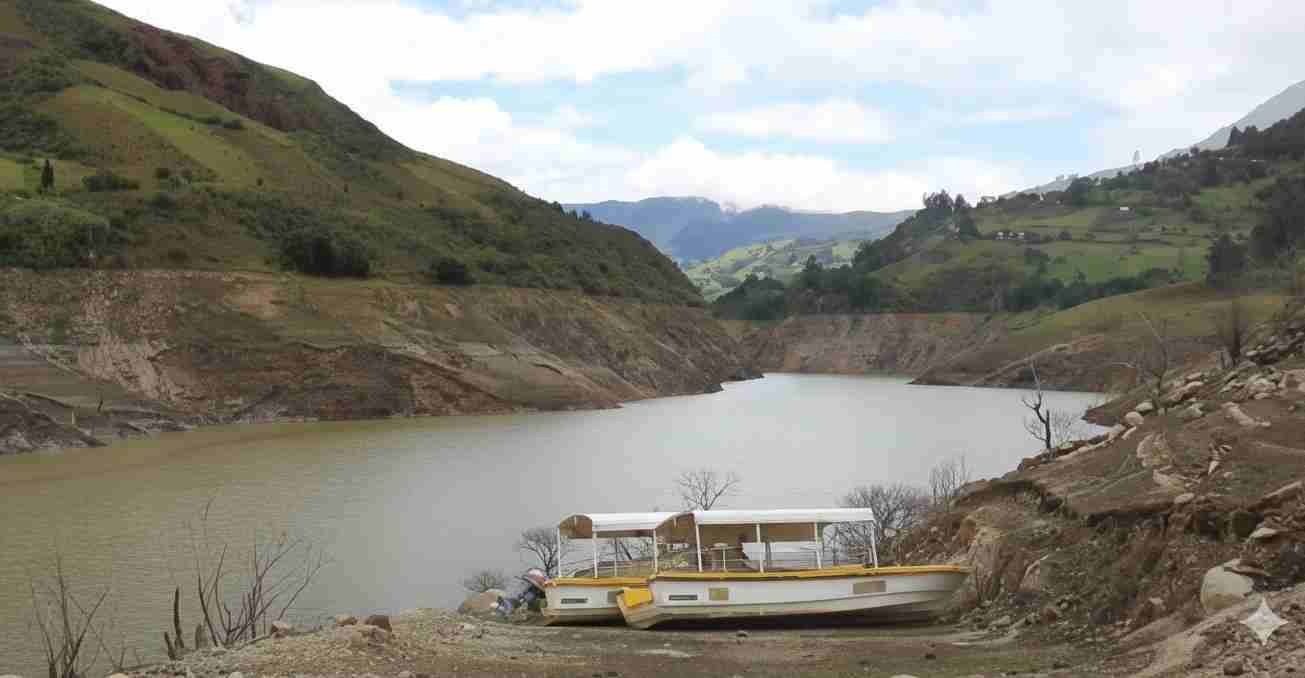
Iran has entered the driest period on record. Multiple regions, including Tehran, have seen successive years of below-average rainfall. In 2024–2025 precipitation ran roughly 42% below the long-term average and several major dams supplying Tehran held about 14% of capacity by mid-2025, spurring emergency restrictions and warnings that urban supplies could run out within weeks (source).
This is not merely a short dry spell but reflects a structural shift: reduced snowpack, diminished seasonal rains and long-term water-supply decline that leave little buffer when droughts strike (source).
Groundwater and agriculture: overpumping, subsidence and inefficient use
A central driver of Iran’s emergency is extreme groundwater overdraft. Between 2002 and 2015 Iran lost an estimated 74 cubic kilometers of groundwater; more than three-quarters of the country experiences excessive extraction. The result: widespread land subsidence that damages roads, buildings and irrigation networks (source).
Agriculture consumes roughly 90% of Iran’s water. Policies that pushed self-sufficiency and expanded irrigation into arid zones encouraged water-intensive crops and inefficient irrigation, amplifying vulnerability when rainfall fell short (source).
Socio-political fallout: public anger and the risk to state authority
Public frustration is rising. Surveys show roughly 75% of Iranians blame government mismanagement more than natural factors or sanctions for the emergency; that resentment has triggered protests and eroded trust across local and national institutions (source).
“If shortages persist, they could become a central source of political instability and constrain the state’s capacity to sustain large-scale strategic programs,” warn UN analysts and experts.
UN experts caution that prolonged shortages could hit projects that require reliable water and power — including components of the nuclear program that depend on steady cooling water and uninterrupted electricity. Operational timelines, maintenance and safety could be affected if facilities face water or energy interruptions (source).
Government warnings and emergency measures
President Pezeshkian has warned evacuations may be necessary without significant rainfall. Authorities have implemented rolling water cuts, urged a 20% reduction in household use, closed some government offices temporarily, and imposed targeted 12-hour cut-offs on heavy-use households (source).
Longer-term responses include ring pipelines to move water regionally, expanded wastewater recycling and plans for desalinated water from the Sea of Oman — an ambitious, costly project that will take years to relieve inland shortages (source).
Why management matters: clear policy choices compounded the problem
Experts emphasize that climate alone does not explain the crisis. Decades of policy choices — subsidies, water pricing that fails to reflect scarcity, weak enforcement of extraction limits and incentives for water-intensive crops — created a fragile system. When rainfall dropped, there was little reserve left, turning drought into a national emergency (source, source).
Outlook: what happens next if changes are not made
Analysts warn that without dramatic shifts — either record rainfall or major reforms — Iran faces escalating shortages that could undercut core state functions: mass displacement, infrastructure collapse, declining agricultural output and reduced capacity to maintain strategic programs reliant on water and power. A sustained failure to respond could deepen unrest and limit government policy and security options (source).
Implications for Fresno, California
Economic links and food prices: Iran is a major producer of pistachios and certain fruits; large declines in output could tighten global markets and raise grocery prices in the Central Valley, pressuring Fresno household budgets and local food processors (source).
Energy and market volatility: regional instability tied to resource stress can affect oil and gas markets, increasing costs for Fresno-area farmers who face high fuel, fertilizer and transport expenses (source).
Migration and humanitarian response: while mass international displacement is uncertain, internal evacuations could lead some refugees abroad. Fresno’s nonprofit, faith and public services would need to coordinate support if arrivals occur (source).
Local lessons: Iran’s crisis is a cautionary tale for Fresno and the San Joaquin Valley on groundwater reliance, subsidized water use and the value of conservation, crop-choice incentives and recycling investments (source).