
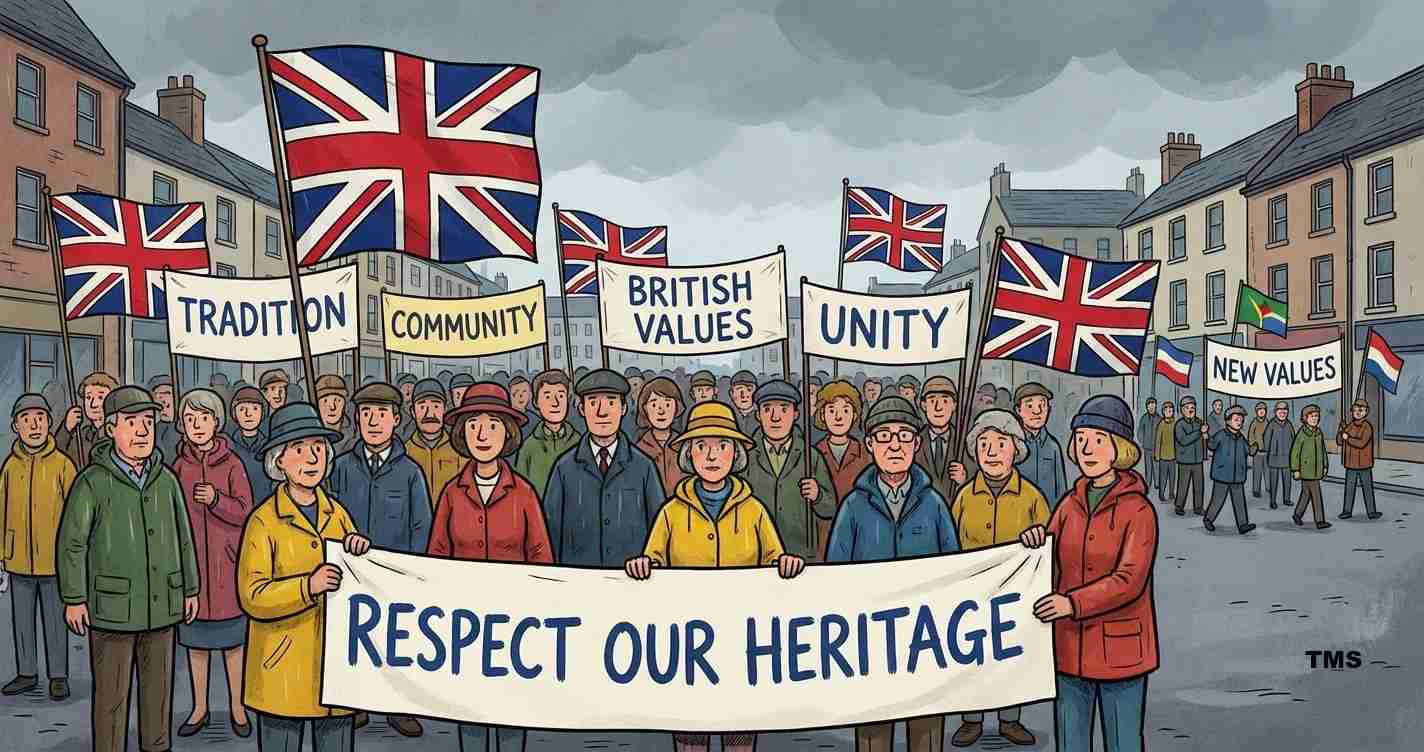
British flag rallies and pushback over “woke” policy fuel clashes as protesters target asylum sites
A wave of anti-immigration protests has swept across Britain since April 2025, combining flag-waving nationalists and far-right groups targeting asylum sites. Clashes prompted arrests, injuries and heated debates over migration and polarization.
Key takeaways
- Nationwide protests: Since April 2025, demonstrations spread across towns and cities with prominent displays of the Union Jack (Wikipedia — 2025 British anti-immigration protests).
- Targets and pressure: Protesters targeted hotels, flats and other asylum-seeker housing sites, pressuring councils and providers to pause placements (Wikipedia — 2025 British anti-immigration protests).
- Organisers and symbols: Campaigns such as Operation Raise the Colours and groups including Britain First, Patriotic Alternative and UKIP mobilised flag-driven actions (Wikipedia — 2025 British anti-immigration protests).
- Policing strain: Reports through late 2025 cite over 180 arrests and 41 injured officers; responses ranged from facilitation to event bans (Wikipedia — 2025 British anti-immigration protests).
- Broader debate: The wave fed into culture-war framing and anti-woke rhetoric noted in academic analysis (Frontiers journal).
Main
What happened on the ground
Spring–Autumn 2025: Towns from Waterlooville to Newcastle hosted large rallies focused on asylum housing and perceived “woke” policy. Some events remained peaceful, while others became disruptive and required police intervention.
Notable incidents:
- Waterlooville (July 30, 2025): More than 1,000 people rallied against plans to house asylum seekers in local flats; political backing for the rally and subsequent petition preceded the placement being dropped (Wikipedia — 2025 British anti-immigration protests).
- Hoylake and Stanwell: Demonstrations prompted authorities to pause plans for single male asylum seeker placements amid disorder concerns (Wikipedia — 2025 British anti-immigration protests).
- Newcastle upon Tyne (Sept 27, 2025): A UKIP march of hundreds met counter-demonstrations of thousands; police made three arrests (Wikipedia — 2025 British anti-immigration protests).
- Whitechapel (Oct 2025): Police restricted a UKIP rally over disorder concerns; attendees were reported to carry wooden crosses and England flags (Wikipedia — 2025 British anti-immigration protests).
Organisers, tactics and symbols
Organisers included formal parties and loose online campaigns. Far-right and nationalist groups used social media to coordinate actions, while Operation Raise the Colours called for public flag displays as a symbolic stand against cultural change.
“Operation Raise the Colours encouraged supporters to display British flags in public spaces as a show of unity.”
Protest imagery often mixed the Union Jack with England flags and anti-immigration banners. Critics argue these tactics normalise exclusionary rhetoric; supporters frame them as defence of heritage (Wikipedia — 2025 British anti-immigration protests).
Political context: anti-woke framing and party positioning
The protests intersected with broader anti-woke politics. Right-leaning figures and some parties used anti-woke language to mobilise voters; research indicates mainstream actors felt pressure and that some diversity initiatives were scaled back amid culture-war tensions (Frontiers journal).
External influences and high-profile moments
Social media amplified mobilisation and international attention. Reports noted a circulated video call with a prominent tech CEO urging resistance to “massive uncontrolled migration,” a flashpoint critics said fuelled fear and polarisation (Wikipedia — 2025 British anti-immigration protests).
Public opinion and counter-movements
Survey evidence shows Britain remained divided: while some measures saw more “woke” attitudes, hard-line anti-immigration positions gained traction among segments of the public (NatCen).
Counter-protests: Groups such as Stand Up To Racism organised pushback in multiple towns, arguing that targeting asylum housing scapegoated vulnerable people (Wikipedia — 2025 British anti-immigration protests).
Law enforcement, arrests and public safety
Policing needs surged: compiled reports through late 2025 list over 180 arrests and 41 injured officers. Responses varied from facilitating peaceful marches to banning events likely to produce disorder (Wikipedia — 2025 British anti-immigration protests).
Scholarly analysis and critiques
Academic and civil-society critiques warn that anti-woke framing and normalisation of far-right rhetoric risk eroding democratic norms. Analysts describe the movement as backlash—driven by fatigue and fear—against inclusion efforts and warn it can marginalise communities (Frontiers journal; National Centre for Diversity).
Implications for Fresno, California
Although a UK domestic wave, the protests carry local lessons and potential ripple effects for Fresno across economic, political and social spheres.
Economic impact
- Tourism and travel: Fresno’s ties to the UK mean travel caution could modestly affect hotels and businesses serving transatlantic visitors.
- Trade and investment: Direct effects are limited, but sustained UK instability can ripple into global markets relevant to Fresno agriculture and exports.
Political consequences
- Local politics: Rhetoric and tactics from the UK could be mirrored in Fresno campaigns around immigration, housing and education.
- Policy discussion: City leaders may face pressure to clarify positions on refugee support and public safety should similar campaigns emerge.
Social effects
- Community relations: Diverse communities may feel anxiety; schools and faith groups should prioritise outreach and reassurance.
- Activism and counter-mobilisation: UK-style flag campaigns could inspire local demonstrations and counter-protests, amplified by social media.
Cultural relevance
Symbols matter: the UK protests show how flags become focal points in cultural debate. In Fresno, local symbols and institutions may similarly be repurposed in disputes over identity and public space.
Practical applications for residents
- Safety planning: Community centres and officials should review event safety plans and clear public communication.
- Civic engagement: Residents can attend council meetings, join dialogue forums and work with NGOs to promote fact-based discussion.
- Support services: Nonprofits aiding refugees may need extra resources; volunteers and donors can help stabilise services during heightened tensions.



