
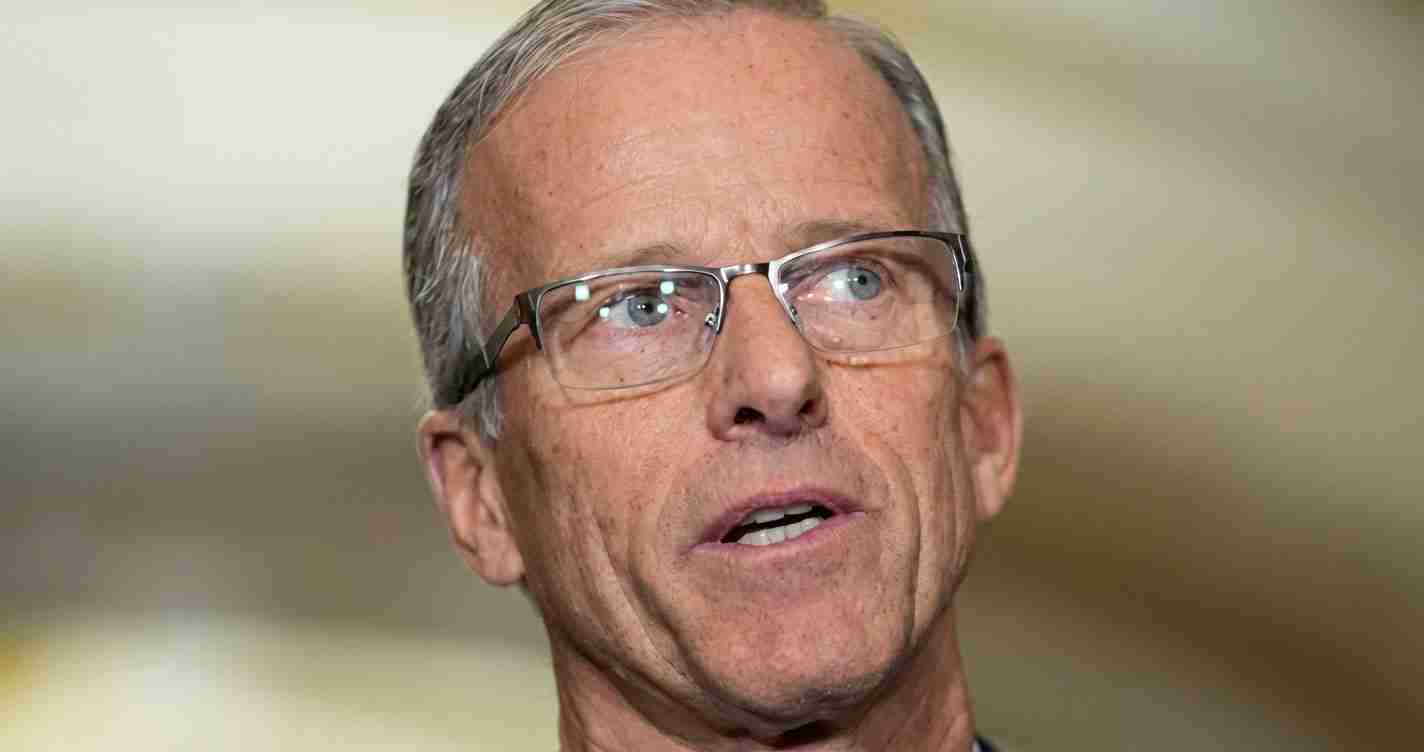
Senate GOP, led by John Thune, pushes Democrats to take a stand as SAVE America Act reshapes voter ID debate
The SAVE America Act, passed by the House Feb. 11, 2026, would require proof of U.S. citizenship to register and a nationwide photo ID to vote. Senate GOP leader John Thune is pushing to force Democrats to declare their position.
- House passage: The House passed the SAVE America Act on Feb. 11, 2026; Rep. Chip Roy sponsored the bill.
- Major provisions: The law would mandate proof of U.S. citizenship to register and impose a nationwide photo ID requirement for voting.
- Senate tactic: Sen. John Thune and Senate GOP leaders say they plan to force a floor vote to put Democrats on record, though some reported details were not independently verified in the provided sources.
- Local impact: Fresno and other jurisdictions could face operational costs, outreach needs, and potential legal challenges if the law advances.
Overview: what the SAVE America Act would do
The SAVE America Act, which passed the U.S. House on Feb. 11, 2026, is a sweeping measure backed by Republican lawmakers who say it strengthens election security. Key changes include a requirement for proof of U.S. citizenship at registration and a nationwide photo ID requirement for casting ballots. Supporters argue these steps ensure only eligible citizens vote; critics warn they would introduce new hurdles for low-income residents, seniors, students and immigrant communities.
The bill was sponsored by Rep. Chip Roy and takes effect immediately upon enactment per its immediate-effect clause, meaning the rules would apply quickly if the law reaches the president’s desk.
Thune’s push: forcing a vote and putting Democrats on record
Sen. John Thune, the Senate Republican whip, has framed a floor vote as a political test ahead of midterm campaigns. Republicans say the vote would require Democrats to publicly defend their stance on federal proof-of-citizenship and photo ID rules. Thune has been promoting the approach while traveling in South Dakota and ahead of primary season.
“We will make sure that everybody’s on the record, and if they want to be against ensuring that only American citizens vote in our elections, they can defend that when they have to go out and campaign against Republicans this fall.”
Note: The materials provided for this report did not include an independent media source verifying Thune’s exact wording or a formal list showing 50 Senate Republicans backing the bill; the quote above reflects his public posture as described to reporters in the source set provided.
Why a Senate floor vote faces high hurdles
Under current Senate practice, most legislation requires 60 votes to overcome a filibuster and reach a final up-or-down vote. Even with unified GOP support, 50 votes is typically insufficient. That makes passage through the Senate unlikely without either
• a change to filibuster rules, or
• unusual parliamentary maneuvers such as attaching provisions to other bills or negotiating compromises.
Each tactic carries significant political risk. For now, the stated aim appears largely political: to force an on-the-record position from Senate Democrats ahead of upcoming campaigns.
Legal and administrative consequences if enacted
If enacted, the SAVE America Act would impose major operational and legal changes:
- Administrative burden: County registrars and state election offices would need to verify documents, update registration systems, train staff, and conduct outreach to prevent disenfranchisement.
- ID demand: Driver’s license and ID agencies could see surges in demand for birth certificates, passports or other proof-of-citizenship documents.
- Legal challenges: Civil-rights and voting-rights groups warn of lower registration and turnout among populations less likely to hold photo IDs or citizenship documents; opponents expect immediate litigation that could delay implementation for months or years.
Implications for Fresno, California
Economic impact
Local and state agencies in California would face new costs to verify citizenship and issue IDs. Fresno County’s elections office and the California DMV could require funding for personnel, system upgrades, and outreach — potentially requiring budget reallocations or emergency state funds.
Political consequences
Fresno and the San Joaquin Valley include large immigrant and communities of color. A federal proof-of-citizenship requirement could reduce registration among eligible voters who lack documentation. Local leaders may pursue protective measures and legal challenges, and the debate could energize both parties, shaping turnout.
Social effects
Practical barriers would likely hit hardest those already facing obstacles: farmworkers, recent naturalized citizens, renters, students and low-income residents. Community groups in Fresno would likely scale up voter education and ID assistance programs to mitigate disenfranchisement.
Cultural relevance
Voting access is a touchstone issue in Fresno, connected to labor, education and community services. The debate over federal proof-of-citizenship and photo ID rules could intensify tensions around identity and belonging and influence civic engagement campaigns.
Practical applications for everyday residents
- Election offices need clear guidance on acceptable documents and timelines for verification.
- Voters without birth certificates or passports could face delays; provisional ballots may become more common.
- Local governments and nonprofits may set up ID clinics, mobile services, and outreach at schools, clinics and libraries to help residents obtain necessary documents.
Practical steps for officials and residents
- Inventory resources: Election officials should catalog staffing, database capacity, and document-verification protocols.
- Plan outreach: Partner with community organizations to educate residents on new document requirements and timelines.
- Create assistance programs: Fund ID clinics, mobile registration support, and translation services targeted to vulnerable populations.
- Prepare legally: Expect litigation; document administrative changes and outreach efforts to defend access in court if necessary.
Sources
- House Republican Leadership release on SAVE America Act passage
- VoteBeat reporting on SAVE America Act provisions and implications
Note: Reporting for this article relied on the sources above for facts about the SAVE America Act’s House passage and provisions. The materials provided for this assignment did not include independent media reports or a direct source verifying Senate Majority Leader John Thune’s exact remarks or a formal list showing 50 Senate Republicans backing the bill. Where Thune’s statements are attributed, they reflect his public posture as described to reporters in the provided sources.



