Iran’s strike campaign and Western crackdowns choke the “shadow fleet,” pushing up energy costs for Moscow and Beijing
Escalating Iranian strikes in the Strait of Hormuz and tightened Western enforcement are disrupting the shadow fleet that moves sanctioned oil, raising shipping and insurance costs and squeezing Russia’s and China’s energy supplies and budgets.
Key takeaways
- Strait of Hormuz tensions: Iran’s IRGC has declared the Strait of Hormuz “closed” and threatened transits, triggering a sharp fall in tanker traffic and a reclassification of the area as a warlike operations zone (Euronews, ABC7 live updates).
- Shadow fleet squeezed: The gray/“shadow” fleet used to move sanctioned oil is under pressure from Iranian attacks and stepped-up Western interdictions (2026 Iran war — Wikipedia).
- Western measures increase costs: A lowered Urals price cap, more inspections and interdictions are narrowing options for Russia and Iran and raising delivered costs for buyers such as China (Wikipedia).
- Verification caution: Specific named seizures (for example, MT Ethera or “Operation Blue Intruder”) remain unconfirmed in mainstream English-language sources; reports require further verification.
Status of the Strait of Hormuz and shipping disruption
The Strait of Hormuz is a global oil chokepoint: in normal times roughly one‑fifth of seaborne oil transits the narrow waterway between Iran and Oman. After a series of drone and missile attacks, many owners and seafarer unions have paused transits and insurers have raised or withdrawn war‑risk cover, making voyages costlier and riskier (Euronews).
Iranian strikes and U.S. responses at sea
Open reporting and compiled incident logs list multiple commercial tankers hit or damaged in the opening phase of the campaign. Washington has struck Tehran‑linked maritime assets; U.S. Central Command released footage of strikes on drone‑carrying vessels and CENTCOM briefings report dozens of disabled or sunk auxiliary craft (CENTCOM video; Wikipedia).
“Iran controls the Strait of Hormuz,” Iranian statements assert — a claim that has prompted wide caution among shipowners and insurers.
What the shadow fleet is and why it matters
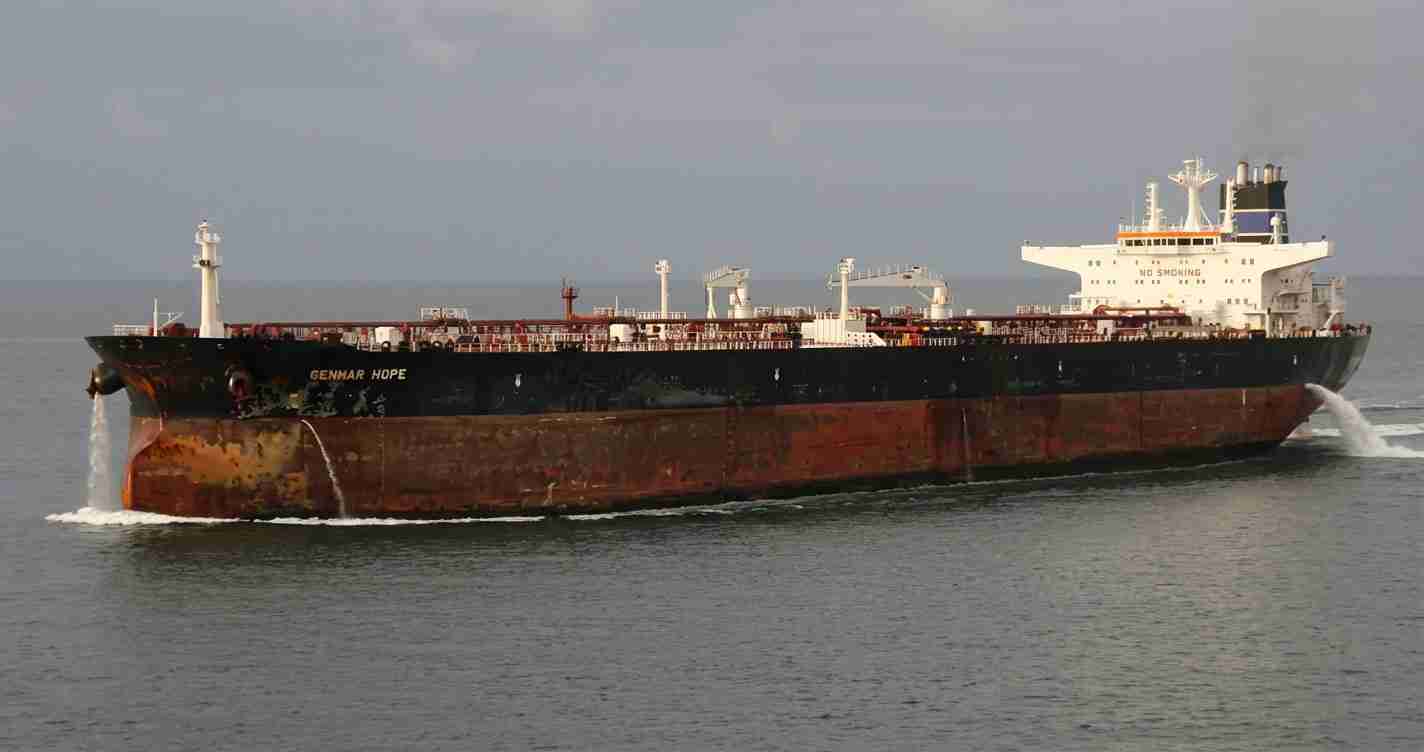
The shadow (or gray) fleet comprises older, obscurely owned or reflagged tankers that sail with limited insurance, use ship‑to‑ship transfers and AIS dark periods, and exploit shell companies to hide cargo origins and destinations. These practices have become vital for Iran, Russia and others to move oil outside sanctioned channels (Wikipedia).
Western measures and interdictions
Western powers are targeting the gray market with legal and operational tools: a G7/EU‑led Urals price cap aims to reduce Russian export revenue, while partner states have stepped up inspections and interdictions of suspect tankers in European and other waters. Reports of interdictions in places such as the North Sea show enforcement reach — but not every named claim has mainstream confirmation.
Note: MT Ethera and other named interdictions appear in trade reports; open mainstream verification of ownership links to senior Iranian figures is limited and requires further investigation.
How this hits Russia’s oil revenue and war funding
Russia relies heavily on seaborne exports for hard currency. When cargoes are forced onto older, lightly insured ships or discounted heavily to offset transport and insurance premiums, net revenue per barrel drops. Tighter enforcement, seizures, or insurance flight push up freight rates and risk premia; that reduces fiscal space for Moscow unless offset by reserve drawdowns, borrowing, or domestic austerity (Wikipedia).
Practical effect: pressure and belt‑tightening, not immediate collapse — the scale depends on the duration of disruptions and buyer behavior.
Impact on China — energy, industry and military supply lines
China is a major buyer of discounted crude from Russia and Iran; many barrels arrive via opaque routes and the gray fleet. As the Strait faces threats and the shadow fleet is squeezed, freight and insurance costs rise and delivered prices climb even for discounted crude (Wikipedia; Euronews).
Tighter feedstock availability and higher input costs could ripple into energy‑intensive sectors (steel, chemicals, manufacturing) and affect the military‑industrial base unless Beijing deploys measures such as strategic reserve draws or supplier diversification.
Other hurts: Cuba and sanctions‑busting clients
The gray fleet also serves Cuba, Venezuela and other clients. U.S. policing of vessels and ports has periodically restricted flows to Cuba; if gray‑fleet capacity declines, these states can see fuel shortages and higher domestic energy costs (Wikipedia).
Macro energy and inflation dynamics
Geopolitical risk around the Strait adds a separate premium to oil prices. If a sizeable share of the gray fleet is detained, destroyed or priced out, effective tanker capacity shrinks: freight rates rise, routing becomes longer or more complex, and delivered crude costs to importers such as China increase. Higher energy input costs can push up refined fuel prices and raise production costs for energy‑intensive goods, contributing to broader inflationary pressure (Euronews; Wikipedia).
Uncertainties and what to watch
- Whether the Strait is truly closed or partially restricted.
- Precise counts of gray‑fleet tankers disabled or detained.
- How strictly the Urals price cap and EU interdictions will be enforced.
- New shipping insurance restrictions and CENTCOM releases of strike footage (CENTCOM video).
Implications for Fresno, California
- Economic impact: Fresno’s agriculture and food‑processing sectors face higher diesel and fertilizer costs. That raises farm operating costs and can push up grocery prices; retail fuel in California follows global crude trends (Euronews).
- Political consequences: Local officials could face calls for fuel assistance, expanded food aid or lobbying for state/federal relief; expect pragmatic, targeted appeals.
- Social effects: Low‑ and middle‑income families, nonprofits and food banks may see increased demand; municipal budgets for transit and school transport could be strained.
- Cultural relevance: Farming is central to Fresno’s identity; sustained margin pressure affects family farms and migrant labor communities.
- Practical applications: Residents can conserve fuel, use community food programs, and monitor assistance; farmers may hedge with futures or seek alternative suppliers.