
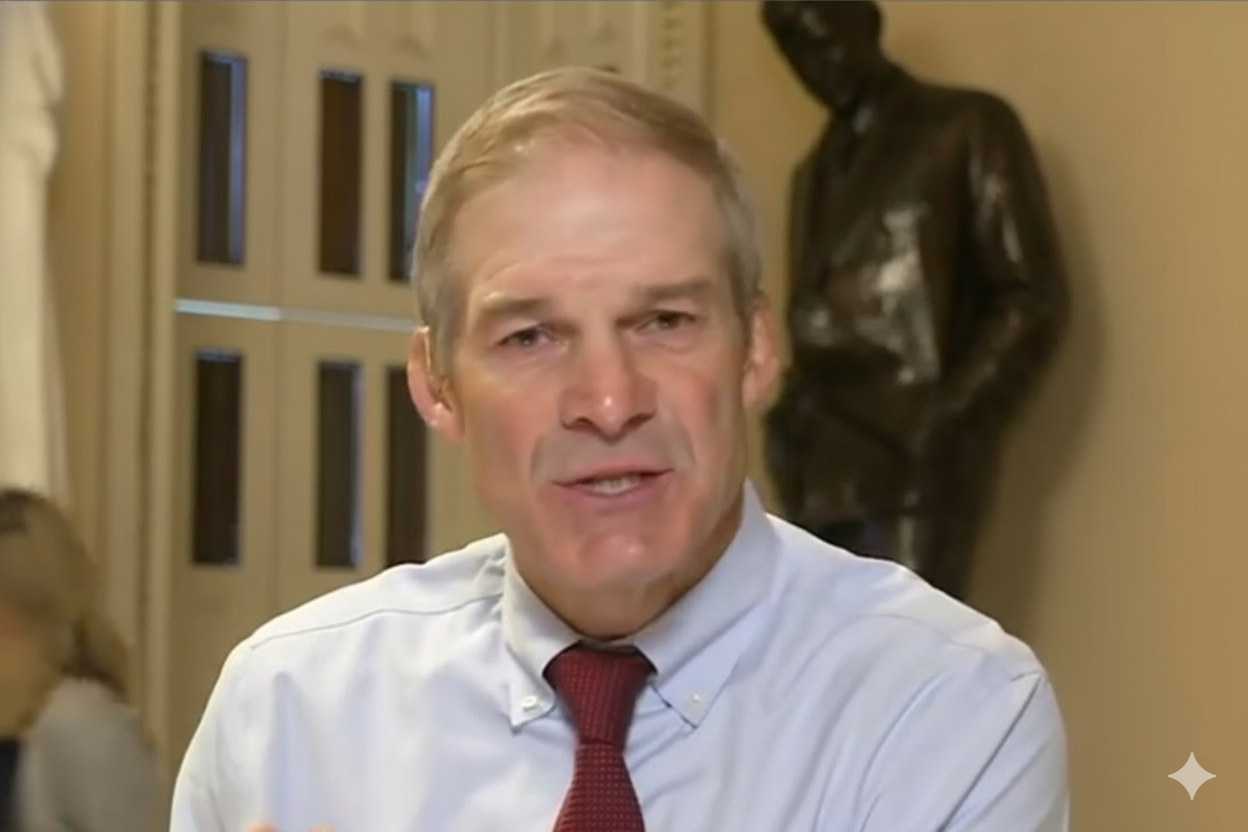
Biden DOJ Subpoenaed Jim Jordan’s Phone Records in 2022, Seeking More Than Two Years of Metadata
The Department of Justice subpoenaed House Judiciary Chairman Jim Jordan’s personal phone toll records in 2022 as part of the DOJ’s internal “Arctic Frost” inquiry into Jan. 6, seeking over two years of call and message metadata.
- Scope: Subpoena sought toll records from Jan. 1, 2020, covering more than two years of metadata (numbers, timestamps, durations), not content.
- Targets: Multiple lines tied to Jordan — including three additional redacted numbers — and other lawmakers tied to post-2020 election efforts.
- Process: Issued in 2022 by a federal prosecutor who later joined Special Counsel Jack Smith’s team; included a one‑year gag order to Verizon.
- Debate: Republican leaders raised separation‑of‑powers and Speech or Debate Clause concerns; DOJ officials say subpoenas followed policy and were narrowly tailored.
Background: Arctic Frost and the DOJ January 6 investigation
After the Jan. 6, 2021 attack on the U.S. Capitol, the Justice Department opened multiple lines of inquiry into the events and efforts to overturn the 2020 election. One internal investigation, known inside the DOJ as “Arctic Frost,” targeted records and communications tied to people involved in planning, funding, or promoting challenges to the election or the certification process. Reporting shows the probe reached lawmakers and other Republican figures, including requests related to former Speaker Kevin McCarthy and others connected to former President Donald Trump.
What the subpoena sought — metadata, not content
Publicly released paperwork indicates the subpoena requested toll records from a major carrier. Toll records typically list called phone numbers, timestamps, call durations and routing information — the who, when and where — but do not include the spoken or written content of calls or texts. The request reached back to Jan. 1, 2020, making it one of the lengthier timeframes disclosed in reporting about congressional-level subpoenas tied to the Jan. 6 inquiries.
Issuing authority and timing
The subpoena was issued in 2022 by a federal prosecutor who later joined Special Counsel Jack Smith’s office on the broader Jan. 6 and 2020 election investigations. News accounts note the timing placed the subpoena roughly seven months before Smith’s formal appointment, meaning the matter originated within the DOJ’s investigative apparatus prior to the special counsel office’s formation.
Gag order and compliance by Verizon
Public documents show the subpoena included a one‑year gag order preventing Verizon from notifying Jim Jordan about the records request. According to reporting, Verizon complied and produced the requested records to the Justice Department; affected members were notified once gag orders allowed disclosure.
Republican reaction and legal questions
House Republicans criticized the subpoena as an intrusion into the legislative branch, arguing the breadth of the request raises separation‑of‑powers concerns and may implicate the Speech or Debate Clause, which protects certain legislative acts from executive scrutiny. Some lawmakers said they only recently learned of the telecom requests due to gag orders placed on carriers.
“The scale of these metadata requests poses significant constitutional questions about the boundaries between the branches.”
The Justice Department’s posture
Officials associated with Special Counsel Jack Smith’s office have maintained that subpoenas issued in Jan. 6 and related probes were proper and followed DOJ policies. They contend requests were tailored to legitimate investigatory needs and emphasize that the subpoenas sought metadata, not call content.
Wider scope: other lawmakers and probes
Reporting indicates the DOJ sought records for multiple members of Congress and other Republican figures involved in post‑2020 election challenges or Jan. 6‑related events. The Arctic Frost probe has touched a range of targets tied to the post‑election period, intensifying tensions between the branches over investigative reach and legislative privilege protections.
Telecom transparency and company statements
Coverage notes that Verizon produced the requested records and later informed affected members once gag orders expired. Media reporting referenced company cooperation with DOJ requirements and subsequent notifications to lawmakers; public company statements were reported through news outlets covering the disclosures.
Implications for Fresno, California
Economic impact: Fresno residents and businesses are unlikely to see direct financial effects from the subpoena itself. However, a broader national debate over investigative power and telecom data privacy could influence future policy, compliance costs and record‑keeping obligations that indirectly affect Central Valley providers and customers.
Political consequences: Fresno sits in California’s Central Valley, a politically mixed region where voters prioritize public safety, jobs and government trust. News about the DOJ seeking the metadata of a high‑ranked House Republican may sharpen local interest in oversight, accountability and messaging in upcoming campaigns.
Social effects and practical guidance: Residents who contact elected officials should understand that metadata — who they called and when — can be sought under certain legal orders even if content remains protected. Constituents concerned about privacy may review telecom policies, use secure communication channels for sensitive matters, and consult local legal clinics or media explainers for more information.
Reporting and oversight going forward
As congressional leaders press for documents and DOJ officials defend investigative methods, more records and testimony may be released. Voters across Fresno and Central California should expect continued dispute in Washington over balancing effective investigation of Jan. 6‑related activity with protections for legislative communications and privileges.
Sources and further reading
- Fox News Digital report on the subpoena and documents
- Fox News Spanish‑language version
- Video transcript and coverage
- AOL News summary
- Analysis of subpoena practice and House investigations (American Progress)
- Reporting on telecommunications requests in the Jack Smith probe (Politico)
Readers in Fresno and across Central California should watch for further disclosures and responses from both Congress and the Justice Department as the legal and political debate over the scope of such subpoenas continues to unfold.



