
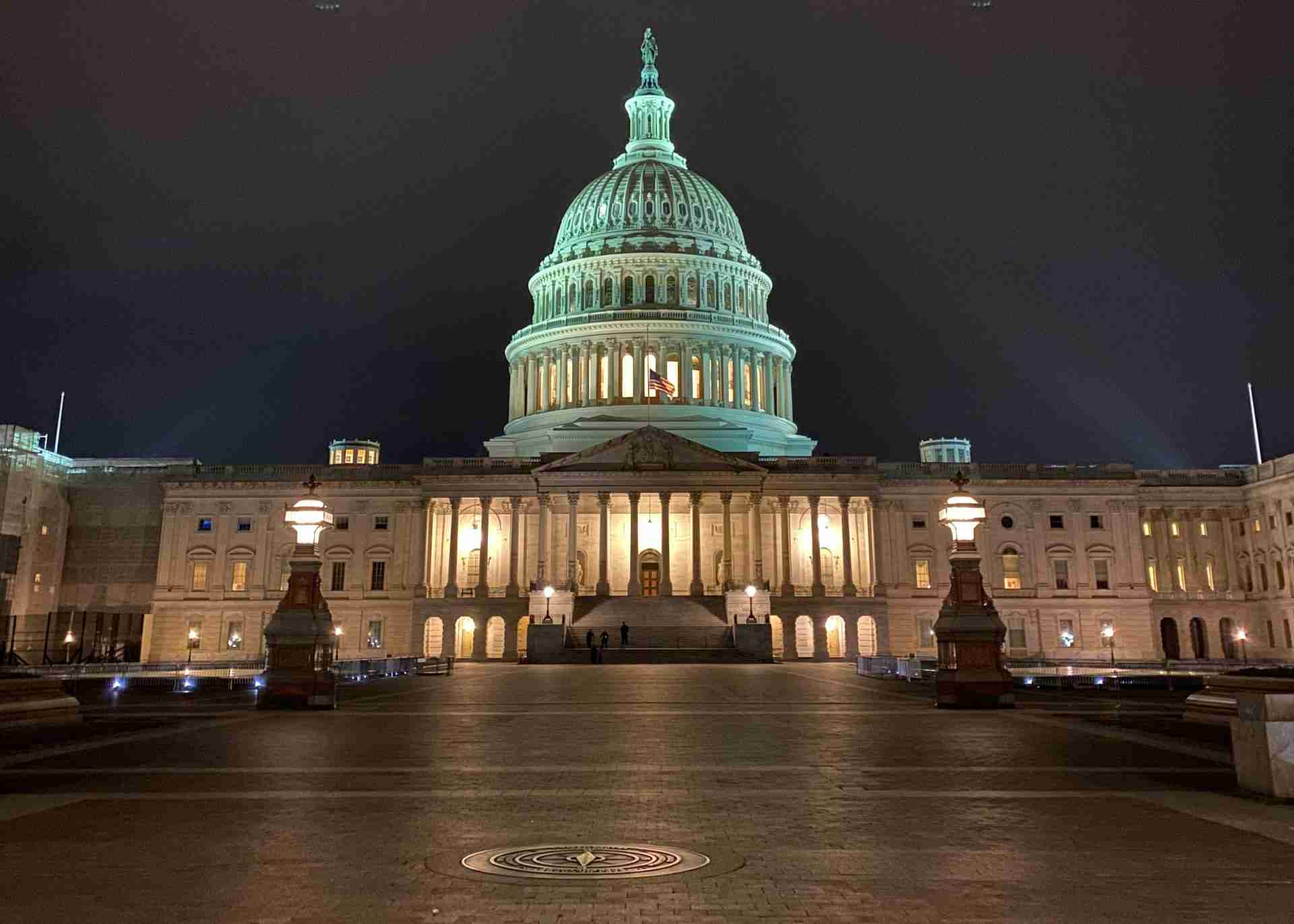
Shutdown explained: Who works, who doesn’t and how much it costs — Obamacare subsidies stall talks as Wednesday deadline barrels near
Congress faces an October 1, 2025 shutdown as talks stall over Obamacare subsidies and a “clean” funding bill, risking furloughs, service disruptions, and billions in economic losses unless lawmakers quickly resolve the impasse by Wednesday’s deadline.
- Deadline: Without new funding many agencies stop nonessential operations starting Oct. 1, 2025; see Government Shutdown Advisory and the YouTube explainer.
- Standoff: Democrats seek an extension of enhanced premium tax credits; House Republicans press a short-term “clean” continuing resolution to keep government open without health-law changes.
- Impact: Essential workers stay on duty (often unpaid); nonessential staff are furloughed. Shutdowns typically cost the economy billions — the 2018–2019 lapse cut output by over $11 billion.
Who works, who doesn’t during a shutdown
Agencies decide which jobs are essential based on whether the work protects life, property, or national security. Typical essential roles include military personnel, air traffic controllers, TSA officers, and certain border agents — required to remain on duty, often without pay until funding resumes.
Nonessential federal employees are placed on furlough: they must stop work and do not get paid during the shutdown. Most furloughed employees historically receive back pay when funding returns, but contractors and some program payments may not be made up.
The White House and agencies may issue guidance on furloughs and essential staffing ahead of a lapse; recent memos urged reviews of programs that may conflict with presidential priorities, potentially affecting discretionary roles. For more on shutdown mechanics see the YouTube explainer.
What services are disrupted
Services labeled “nonessential” will pause or slow. Common disruptions in past shutdowns included:
- National parks and museums closing or operating with limited services.
- Slower processing of permits, applications, and administrative services.
- Delays or pauses in research projects and grant work that rely on federal staff or funding.
Essential services — air traffic control, border security, public safety — continue but may face strain as staff work without immediate pay, which can reduce morale and efficiency.
Some programs funded through mandatory appropriations continue uninterrupted, but programs tied to annual appropriations — including certain grants and contracts — may be delayed, creating cash-flow problems for states and contractors. See Government Shutdown Advisory for more.
How much a shutdown costs
The financial toll depends on duration. Economists measure direct federal costs, lost worker pay, disrupted contracts, and wider effects on consumer confidence and spending. The Congressional Budget Office estimated the 2018–2019 shutdown reduced economic output by more than $11 billion, with roughly $3 billion in losses that were not recovered.
Businesses that contract with the federal government can see immediate revenue drops; local economies that host federal facilities feel pain when workers are furloughed or payments delayed. Longer shutdowns slow hiring, delay projects, and raise restart costs for taxpayers.
Political standoff: Obamacare subsidies vs. clean funding bill
The central fight centers on expiring enhanced premium tax credits under the Affordable Care Act. Democrats say extending these subsidies is necessary to prevent steep premium hikes for millions; Republicans insist on a short-term continuing resolution that keeps government open without adding health-law changes.
“Leaving the subsidies to further negotiation risks immediate harm to people who rely on the credits,” advocates warn, while opponents say a clean CR preserves funding while policy debates continue.
Democrats warn roughly 22 million people could face big premium increases or loss of coverage without action. For legislative context see Government Shutdown Advisory.
Recent legislative actions
On Sept. 19, 2025, House Republicans passed a short-term bill (H.R.5371) to keep the government open, but the Senate rejected it. A Democratic alternative — which would have extended enhanced premium tax credits and reversed some recent health-law changes — also failed in the Senate.
With the Oct. 1 deadline looming, both sides face pressure to find a path forward. If neither yields, agencies will implement shutdown plans that furlough nonessential staff and keep essential services running with limited support.
Broader impact on communities and contractors
Beyond federal employees, contractors, state and local governments, and residents who depend on federal services feel effects. Grants may be delayed, research projects paused, and permitting slowdowns can stall construction and business plans. Public confidence can erode when routine services stop.
For resources on community impacts see the Society for Research in Child Development guidance.
Implications for Fresno, California
Economic impact: Fresno’s local economy includes federal workers, contractors, and programs tied to federal funding. Delayed payments and furloughs reduce consumer spending at restaurants, stores, and service businesses; contractors could face cash shortfalls and layoffs if the shutdown lasts weeks.
Health coverage: Fresno County families using health marketplaces could see higher premiums if enhanced subsidies expire. Local clinics and enrollment navigators may face higher demand amid funding uncertainty; see the YouTube explainer and Government Shutdown Advisory.
Federal staff: Fresno hosts federal workers in agriculture, immigration services, and law enforcement. Essential staff may face delayed pay; nonessential staff could be furloughed, cutting household income and local spending.
Permits and agriculture: Farmers and agribusinesses rely on timely USDA and environmental permits and inspections. Slowdowns can delay planting, exports, or processing — rippling through Fresno’s agricultural sector and seasonal employment.
Practical steps for Fresno residents
- Check official agency websites and local news for the status of federal services you use.
- If you are a federal employee or contractor, plan for possible gaps in pay and ask employers about contingency options.
- If you rely on marketplace coverage, monitor notices about subsidy changes and contact local enrollment navigators for help.
- For businesses contracting with the federal government, discuss cash-flow plans with clients and lenders.
Sources and further reading
Key references used in this article:



