
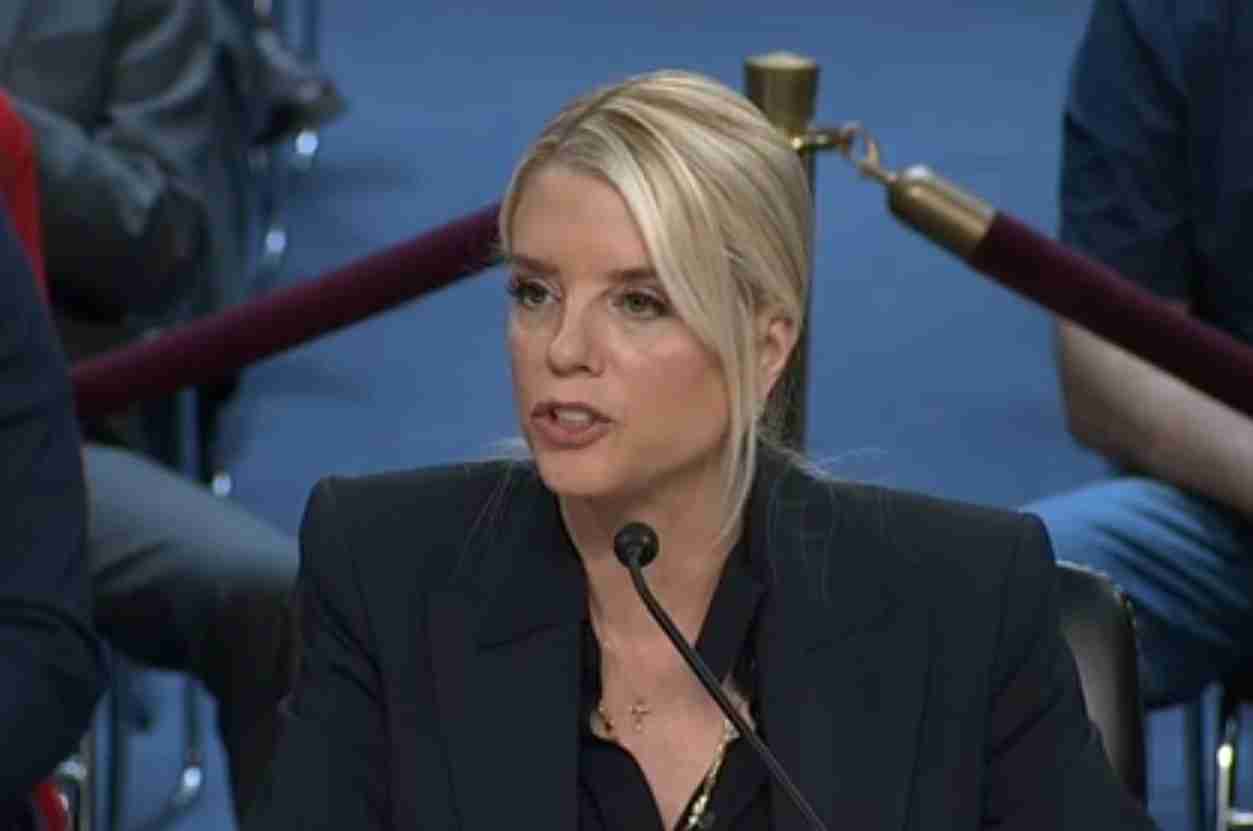
Bondi Accuses Sen. Blumenthal of Lying About Military Service During Heated Senate Judiciary Committee Hearing
At an October 7, 2025 Senate Judiciary Committee oversight hearing, Attorney General Pam Bondi accused Sen. Richard Blumenthal of lying about his military service while forcefully defending her ethics amid questions about her former law firm’s lobbying ties.
- Confrontation: Bondi sharply accused Sen. Blumenthal of lying about his military service during the October 7 hearing.
- Ethics scrutiny: Democrats probed whether Bondi’s former law firm had improper contacts with the Justice Department.
- Partisan tensions: The exchange underscored growing disputes over Justice Department independence and political influence.
The heated exchange
The clash began when Sen. Richard Blumenthal (D-Conn.) pressed Attorney General Pam Bondi about potential conflicts tied to her previous law firm and whether anyone from that firm had communicated with Justice Department officials about a lawsuit later dismissed. Committee video shows an intense back-and-forth as Democrats sought clarity on possible contacts and influence. See the video of the hearing for the full exchange.
Bondi on camera: “Senator Blumenthal, I cannot believe that you would accuse me of impropriety when you lied about your military service. You lied. You admitted it, and you were elected a US senator. You lied about it.”
Bondi’s defense
Bondi vehemently denied“How dare you. I’m a career prosecutor. Don’t you ever challenge my integrity. I have abided by every ethics standard. Do not question my ability to be fair and impartial as attorney general.” The public record of that defense is available in the video of the hearing.
Context of the hearing
The oversight session was part of routine congressional review of the Department of Justice under Bondi’s leadership. Senators questioned internal reforms, transparency, high-profile investigations, and safeguards to prevent political influence over prosecutions. Lawmakers framed the session through competing narratives: Democrats raised concerns about potential ethics lapses and undue influence tied to private-sector connections, while Republicans defended Bondi and characterized some scrutiny as partisan.
Ethics questions and lobbying ties
Central to Democratic questioning were whether contacts between Bondi’s former law firm and DOJ officials related to a lawsuit later dismissed created conflicts of interest. Bondi rejected suggestions that her past associations compromised her decisions, and the hearing record does not resolve the specific allegations about communications tied to the dismissed case. For full context, refer to the video of the hearing.
Reaction in the hearing room and beyond
Video of the confrontation circulated quickly on social media and among political observers. Commentators noted the personal tone of Bondi’s remarks — a pivot from institutional oversight to direct accusation — and many suggested the moment exemplified increasing polarization in Capitol Hill oversight sessions. The exchange is likely to prompt follow-up questions from senators, reporters, and watchdog groups tracking ethics concerns.
Why the exchange matters
Broader implications: The confrontation spotlights three main issues: persistent worries about politicization of the Justice Department; the role of prior private-sector ties in public trust; and the boundaries of decorum during oversight. The personal nature of the accusation — focused on a senator’s military service — also raises questions about acceptable rhetorical limits in congressional hearings.
Implications for Fresno, California
Economic impact
- Local legal demand: Fresno legal and public affairs firms could see greater demand for compliance and ethics counseling as national disputes spur reviews of lobbying and conflict rules.
- Federal program effects: If policy or oversight changes at DOJ follow, Fresno contractors and organizations relying on federal grants might face altered oversight or grant administration affecting budgets and planning.
Political consequences
- Moderate Fresno voters may view the exchange as emblematic of partisan rancor in Washington, giving local candidates material to cite on ethics and accountability.
- Elected officials working with federal agencies could face more questions from constituents about how federal controversies influence local programs and services.
Social effects
- Intense rhetoric could deepen skepticism toward national institutions among Fresno residents and affect civic engagement.
- Community organizations tied to DOJ initiatives may seek reassurances about continuity and impartial administration of programs.
Cultural relevance
In Fresno’s diverse communities, high-profile clashes over ethics and service records can drive discussions in town halls, veterans’ groups, and civic forums. The personal accusation about military service may resonate particularly with veterans and active-duty families who closely value accurate public records of service.
Practical applications for local residents
- Citizens can monitor statements from local representatives and contact them to express priorities on ethics and transparency.
- Local legal clinics and civic groups might organize sessions explaining how federal oversight affects local services and rights.
- Businesses and nonprofits should review conflict-of-interest policies and consider consulting local counsel to prepare for potential federal oversight changes.
Source and reporting note
This account draws on publicly released video footage of the hearing. The recording of the exchange is available for review at the video of the hearing. Direct quotations in this article are attributed to that hearing record.



