
Jack Smith’s eight-hour House deposition: Key takeaways as transcript and video go public
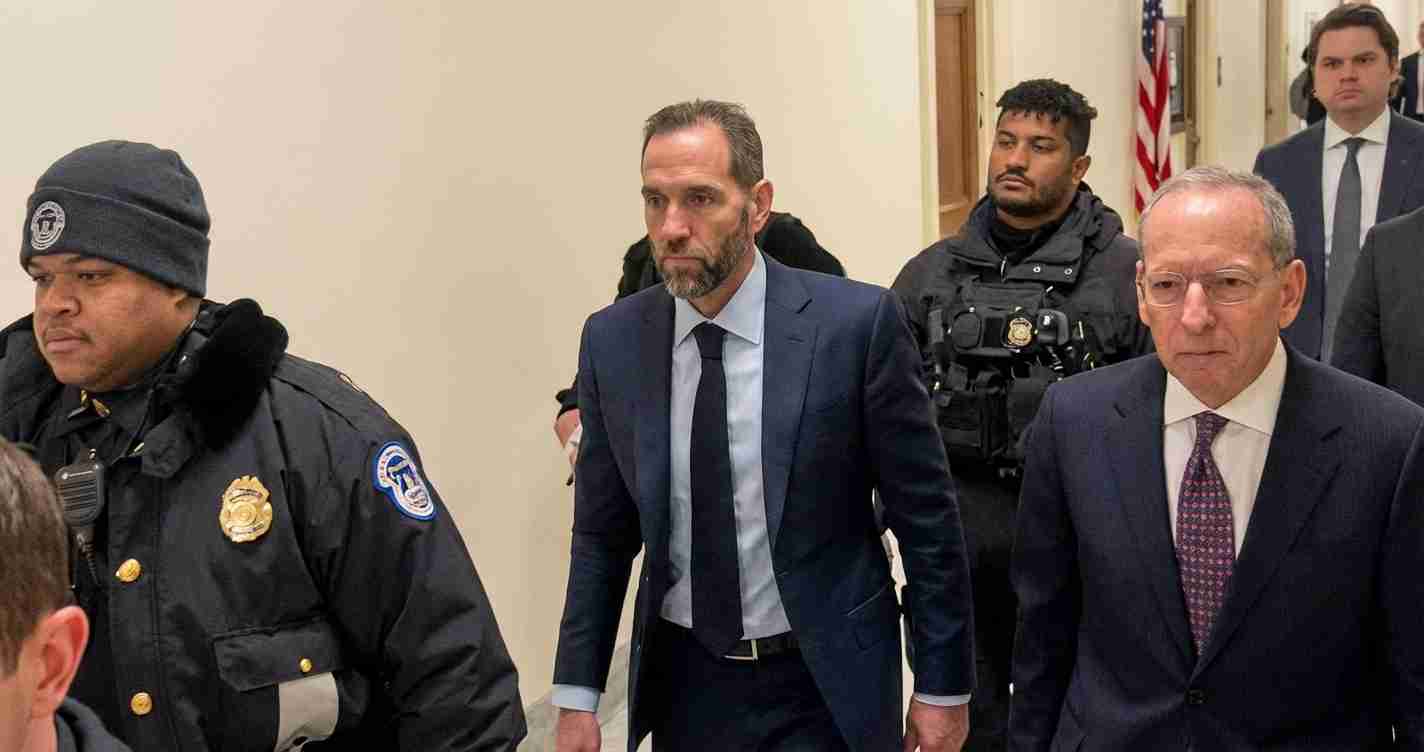
Special Counsel Jack Smith’s eight-hour closed-door deposition before the House Judiciary Committee on Dec. 17, 2025, has had its full transcript and video released, providing the public with a complete record of the probing, at-times heated exchange.
- Subpoenaed, closed-door interview: The session ran roughly eight hours and centered on Smith’s probes into alleged 2020 election interference and classified documents at Mar-a-Lago. See Politico coverage.
- Impartiality claim repeated: Smith repeatedly told lawmakers he acted “without regard to President Trump’s political association” — a line highlighted in the released materials; see the transcript notice.
- Timing and release controversy: Republicans on the committee played a role in the delayed release over the holidays, a move criticized as limiting scrutiny; read coverage at ReadTPA.
What happened at the deposition
Overview: Special Counsel Jack Smith appeared at the House Judiciary Committee’s request on Dec. 17 for a subpoenaed, closed-door interview. Lawmakers questioned him about two major special counsel investigations — the alleged efforts to overturn the 2020 election and the retention of classified documents at Mar-a-Lago — matters that had already led to criminal charges.
Length and tone of the exchange
The session lasted about eight hours. Republicans pressed Smith on investigatory choices and evidence; Smith defended his team’s legal methods and bases for charging decisions. The long duration reflects detailed questioning and extensive answers on complex legal topics.
Smith’s core defense: impartiality
“I made my decisions in the investigation without regard to President Trump’s political association, activities, beliefs, or candidacy in the 2024 presidential election.”
That assertion — repeated throughout the transcript and video — was offered as a direct rebuttal to claims that the probes were politically motivated. The full release lets viewers judge tone, context, and how forcefully Smith delivered the defense.
Why the transcript matters
Before the committee released the transcript and video, public understanding relied on summaries and selective quotes. The complete materials allow reporters, legal analysts, and citizens to read the full questions and answers, potentially altering how the exchanges are evaluated.
What the public can read in the transcript
The transcript contains detailed back-and-forth on legal standards, the scope of Smith’s authority, and the evidence underlying charging decisions. It shows how Smith explained legal choices and repeatedly emphasized that prosecutorial decisions follow law and evidence, not politics.
Context: how these investigations began
Smith was appointed special counsel in 2022 by then-Attorney General Merrick Garland to oversee two separate but related probes: efforts to overturn the 2020 election and retention of classified documents after Trump left office, including material discovered at Mar-a-Lago. Both investigations resulted in charges and remain central to national debate over accountability for senior officials.
How lawmakers approached Smith’s testimony
Republican committee members framed much of the questioning as oversight, challenging Smith on investigative decisions and evidence. Democrats defended the role of an independent special counsel and stressed the seriousness of the allegations. The closed-door setting limited immediate public reaction, but the released transcript captures the full exchange.
Where to find the transcript and video
News outlets that covered the release link to the committee materials and provide analysis. Readers can review the primary release through media reports including Politico coverage, the transcript notice, and reporting at ReadTPA.
Implications for Fresno, California
Although the deposition is national in scope, it can ripple into local markets, politics, and civic life in Fresno. Below are practical lines of impact and suggested community responses.
Economic impact
Direct economic effects on Fresno are limited. However, sustained national attention can influence local media advertising, political fundraising flows, and demand for consultants who analyze federal matters for local campaigns.
Political consequences
Fresno’s mixed electorate may see sharpened messaging from local candidates: some will emphasize oversight and accountability, while others will point to Smith’s impartiality claim. The material could be used to mobilize turnout among voters for whom these issues are central.
Social effects
Community groups, campus forums, and local media may host discussions interpreting the transcript. The release can deepen civic conversations about government, fairness, and trust in institutions.
Cultural relevance
Themes of accountability and impartiality resonate across Fresno’s diverse communities. Local leaders and organizations might frame discussions around ethics, public service, and civic responsibility.
Practical applications for residents
- Voters: The transcript offers a primary source to evaluate claims and can inform how constituents view candidates who reference the inquiry; see the primary sources.
- Local reporters and civic groups: Use the materials for public forums, explainers, and local analysis of investigatory standards.
- Legal and policy educators: The deposition provides material for panels at law schools and community colleges about special counsel roles and legal thresholds for charges.
Reporting transparency and next steps
The released deposition transcript and video provide a fuller public record of a high-profile interview that generated partisan debate. Analysts, newsrooms, and civic groups will review the materials in the coming days. For the original media coverage and committee release, see Politico coverage, the transcript notice, and ReadTPA.
Note: The full transcript and video let the public assess Smith’s explanations and the committee’s questions in full; legal analysts will continue to parse the record for implications on both the investigations and public confidence in the justice system.



