
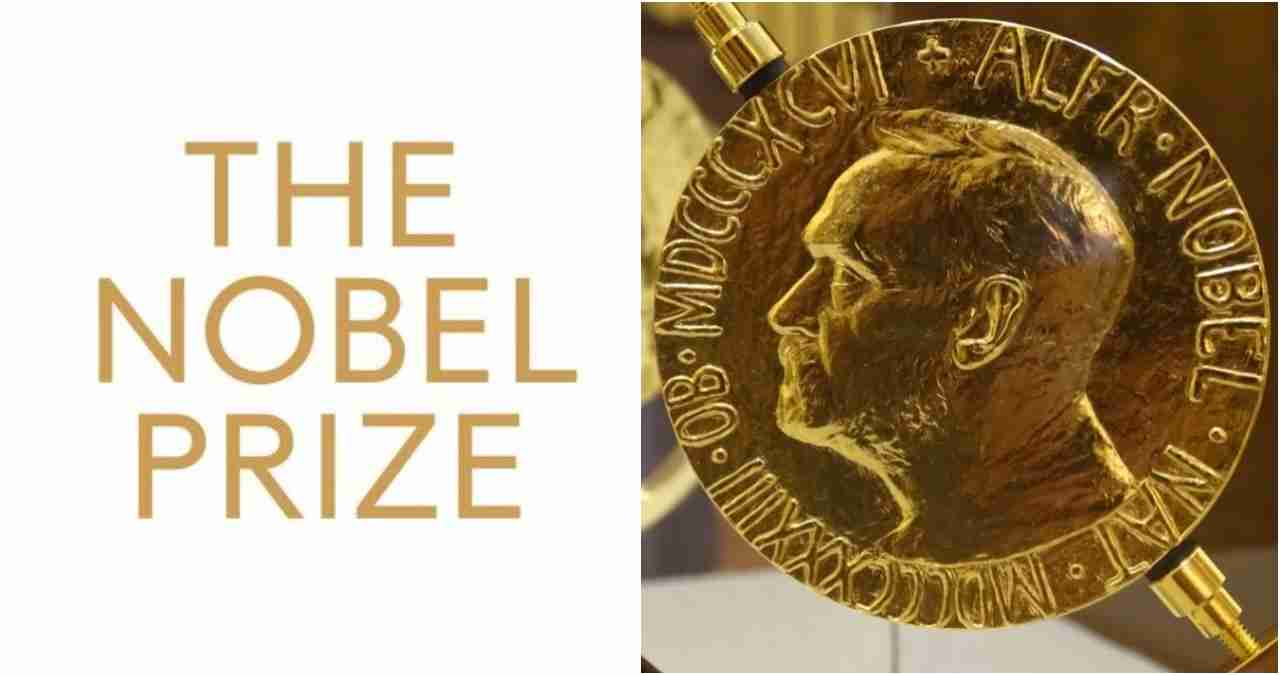
Pakistan announces second Nobel Peace Prize push for Trump after Gaza ceasefire, PM hails deal as historic
Pakistan has formally re-nominated former President Donald Trump for the Nobel Peace Prize, citing his role in brokering a Gaza ceasefire and the Sharm el-Sheikh Gaza Peace Agreement — a move Prime Minister Shehbaz Sharif called “one of the greatest days in contemporary history.”
- Pakistan says it will again nominate Donald Trump for the Nobel Peace Prize for his role in securing a Gaza ceasefire and the Gaza Peace Agreement.
- Prime Minister Shehbaz Sharif praised Trump for “visionary and relentless leadership,” saying his efforts saved “millions of lives.”
- The agreement was signed at Sharm el-Sheikh with regional leaders present; reporting cites summit footage and Pakistani media coverage.
- Available reports rely on official statements and summit footage; there is no immediate public comment from the Norwegian Nobel Committee in the cited sources.
What Pakistan officials said
At a joint press conference during the Sharm el-Sheikh Summit, Prime Minister Shehbaz Sharif offered effusive praise for the Gaza Peace Agreement and for Mr. Trump’s role. Video of the summit shows Sharif calling the signing “one of the greatest days in contemporary history” and describing Trump’s efforts as “visionary and relentless leadership in ending hostilities.”
Sharif framed the move as Pakistan’s second formal nomination of Mr. Trump for the Nobel Peace Prize, noting a prior nomination that cited Trump’s mediation in a reported India-Pakistan ceasefire. He told reporters, “He is the most genuine and wonderful candidate for the Nobel Peace Prize” because of his “unmatched dedication to peace and stability.”
Sources documenting these remarks include Mettis Global and summit video recordings of Prime Minister Shehbaz Sharif’s remarks.
What the reports show — and what they do not
Pakistani outlets and video of the press conference focus on the praise and the nomination announcement. The Mettis Global article and summit footage detail the signing of the Gaza Peace Agreement and show regional leaders gathered for the ceremony.
Those sources attribute a central mediating role to Mr. Trump in bringing about the ceasefire and the agreement. Reporting repeats official claims but does not present independent documentary evidence of every specific action attributed to Mr. Trump beyond public acknowledgements by summit leaders.
The coverage cited does not include a response from the Norwegian Nobel Committee or other major international institutions, and it lacks third‑party verification of all claims about Mr. Trump’s direct interventions in separate conflicts.
Context: How Nobel nominations work
Nominations for the Nobel Peace Prize may be submitted by a limited group of qualified nominators — national political leaders, university professors, past laureates, and other designated individuals. Nominations are typically sent to the Norwegian Nobel Committee by the end of January in the award year; the committee announces laureates in October after deliberation.
A national leader’s nomination is a formal submission but does not guarantee selection. The announcement documented in the cited sources marks Pakistan’s stated intention to put forward Mr. Trump’s name again.
Regional dynamics at Sharm el-Sheikh
The Sharm el-Sheikh signing was presented as the product of broad regional diplomacy. Summit participants included leaders and envoys from Egypt, Qatar, Türkiye, Jordan, Saudi Arabia and the UAE. Footage shows Egypt’s President Abdel Fattah el‑Sisi participating in the event.
Cited reporting emphasizes regional cooperation in brokering the Gaza ceasefire and describes the agreement as opening “a new chapter of stability, cooperation, and prosperity in the region,” while Pakistani coverage singled out Mr. Trump’s role as especially consequential. (See summit coverage and Mettis Global reporting.)
Examining the claims
Public statements by Pakistan’s prime minister and summit footage make clear Pakistan is advancing a nomination based on its leaders’ characterization of Mr. Trump’s peace-making role. Those remarks and the announcement are newsworthy in themselves.
At the same time, readers should note that the reporting largely repeats official statements and does not include third-party documentation of every specific action attributed to Mr. Trump, nor an independent assessment by the Nobel Committee. The lack of immediate comment from the Norwegian Nobel Committee is highlighted in the coverage.
Reactions and coverage
Pakistani media broadly amplified PM Sharif’s praise and the nomination intent. International outlets also picked up the story, often repeating Sharif’s characterization of Mr. Trump’s role and noting Pakistan’s second bid. The reports include video clips of the summit and direct quotes from Sharif’s remarks (summit footage; additional summit video; Mettis Global).
No substantive criticisms or dissenting reactions from other global leaders or from the Nobel Committee were included in the coverage available to Times Media Service at the time of reporting. That absence makes the announcement and the summit applause the central focus of the accounts.
Implications for Fresno, California
Economic and humanitarian connections: Fresno’s immigrant families and community groups with ties to the Middle East and South Asia could be affected by reduced violence. A ceasefire could ease uncertainty for families with relatives in the region and open opportunities for local humanitarian coordination and fundraising.
Political and civic impacts: The nomination by Pakistan of a high‑profile American figure may be discussed in local civic forums, campus events at Fresno State, and by elected officials in the San Joaquin Valley who respond to international developments affecting constituents.
Social effects and community relations: Public reaction in Fresno may be mixed: some residents may welcome potential peace while others may call for independent verification of claims and highlight the roles of multiple actors. Local media and community organizations may host balanced discussions.
Cultural relevance and practical effects: Fresno’s large Muslim, South Asian and Arab communities may engage in interfaith dialogues or town halls. Residents with relatives in Gaza could see impacts on travel, remittances and mental‑health needs; local clinics, schools and nonprofits may adjust services accordingly.
Reporting notes and sources
This report is based on summit video recordings and coverage by Mettis Global and on summit footage: summit video (OTY36lL8X28) and additional summit footage (9FXsKVSZFUU). The cited materials present public statements and the signing ceremony; they do not include immediate public statements from the Norwegian Nobel Committee or independent documentary evidence for every claim attributed to individual mediators.
Preserved URLs and sources: Mettis Global article; Sharm el-Sheikh summit video; additional summit video.



