
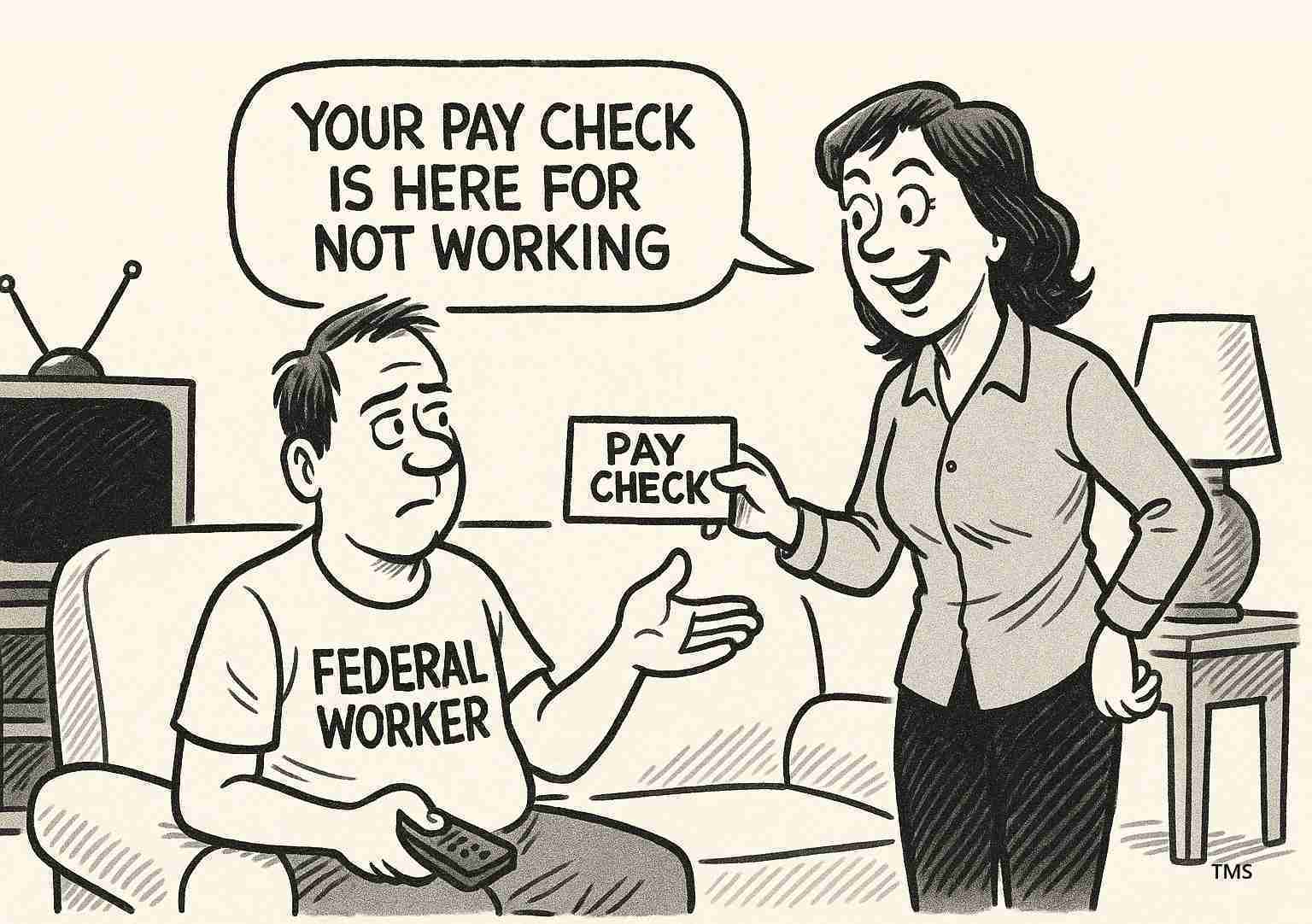
Schumer shutdown cost taxpayers about $1.2 billion in federal employee back pay, law guarantees pay for furloughed workers
The recent U.S. government shutdown, dubbed the “Schumer shutdown,” cost taxpayers about $1.2 billion in retroactive pay to furloughed federal employees under the 2019 Government Employee Fair Treatment Act, which guarantees pay during funding lapses.
Key takeaways
- Estimated cost: Approximately $1.2 billion in back pay to furloughed federal employees (Times Media Service).
- Legal basis: The Government Employee Fair Treatment Act of 2019 mandates back pay for furloughed workers and those who worked without pay.
- Political framing: The lapse has been labeled the “Schumer shutdown” in some coverage; responsibility remains debated across Washington.
- Broader impacts: Payroll cost is direct, but local economies, contractors, and services can suffer additional, harder-to-measure losses.
Main content
What the $1.2 billion covers
The $1.2 billion figure represents retroactive salary payments issued to federal employees who were furloughed while funding lapsed. Under the law, agencies restore payroll so employees receive pay for days they did not work because of agency closures or reduced operations.
This amount covers a wide range of federal staff across departments: those formally placed on furlough and many excepted employees required to work without pay during the lapse. The figure reflects payroll costs only, not the broader economic effects such as delayed services or lost commerce tied to reduced local spending.
The law that creates back pay
Back pay is guaranteed by the Government Employee Fair Treatment Act of 2019, enacted after the extended 2018–2019 shutdown left many federal workers unpaid. The statute removed the need for a separate vote to approve back pay, making retroactive compensation automatic once funding is restored.
The law covers both furloughed employees and those ordered to work without pay. Text and summaries are available on Congress.gov and the public law text on GovInfo.
Why lawmakers passed the law
Lawmakers argued the automatic-pay rule was necessary to shield federal workers and families from sudden, severe financial hardship. The long 2018–2019 lapse produced stories of missed rent payments and empty grocery carts; Congress responded to reduce that harm by guaranteeing back pay.
Proponents say back pay protects workers from political brinkmanship. Opponents counter that automatic compensation may lower the political cost of allowing shutdowns, reducing incentives to prevent them.
Political debate and the “Schumer shutdown” label
Some outlets and commentators have labeled this event the “Schumer shutdown”, assigning shorthand responsibility to Senate Majority Leader Chuck Schumer. Supporters of that framing argue Senate leadership could have averted the lapse.
“Blame is often assigned in political fights over funding,” commentators note, and labels can shape public perception about accountability.
Critics of the label emphasize shared responsibility across the House, Senate and the White House. Local coverage discussing this framing includes reporting on political dynamics in New York by PressConnects.
Economic and community effects beyond payroll
Retroactive pay mitigates some harms, but shutdowns still produce disruption:
- Service interruptions: Many federal services slow or halt, delaying benefits, permits or community programs.
- Contractor impacts: Federal contractors and local suppliers can lose revenue and face project delays.
- Administrative costs: Overtime, processing back pay, and restarting operations add to the financial bill beyond payroll.
Analysts caution that visible payroll numbers like $1.2 billion are a subset of total costs; longer-term and ripple effects are harder to quantify.
Transparency and reporting on shutdown back pay
The $1.2 billion estimate was reported as the direct payroll cost for this episode (Times Media Service). Agencies and watchdogs such as the Office of Management and Budget (OMB) or the Government Accountability Office (GAO) typically provide department-level tallies after funding lapses, detailing which agencies and services were most affected.
Advocates for clearer accounting argue that public cost reporting can inform voters and drive pressure for budgeting reforms to avoid future lapses.
Implications for Fresno, California
Economic impact: Fresno has federal employees and contractors who shop locally; retroactive pay restores income but temporary income gaps reduce spending at small businesses and restaurants.
Political consequences: Voters in Fresno may view the cost as evidence that federal budget fights have real local costs, influencing perceptions of representatives across parties.
Social effects: Service delays can affect vulnerable residents; furloughed workers may face short-term hardships even after back pay arrives.
Community resilience: Local nonprofits, faith groups and county services often step in to minimize harm during shutdowns.
Practical applications for residents
- Know your status: Federal employees in Fresno should monitor agency guidance on pay dates and back pay timelines through HR and unions.
- Seek local help: Residents facing hardship can contact food banks, churches and county assistance programs for short-term aid.
- Hold officials accountable: Voters can ask representatives how they will prevent future funding lapses and demand transparent cost accounting for shutdowns.
Sources and further reading
- Times Media Service reporting and internal estimates (Times Media Service).
- PressConnects coverage linking political commentary and the “Schumer shutdown” framing.
- Congress.gov — Government Employee Fair Treatment Act of 2019 (bill summary and text).
- GovInfo — Public Law text for PL 116–127.



